
How Do You Find Oil In The Ground
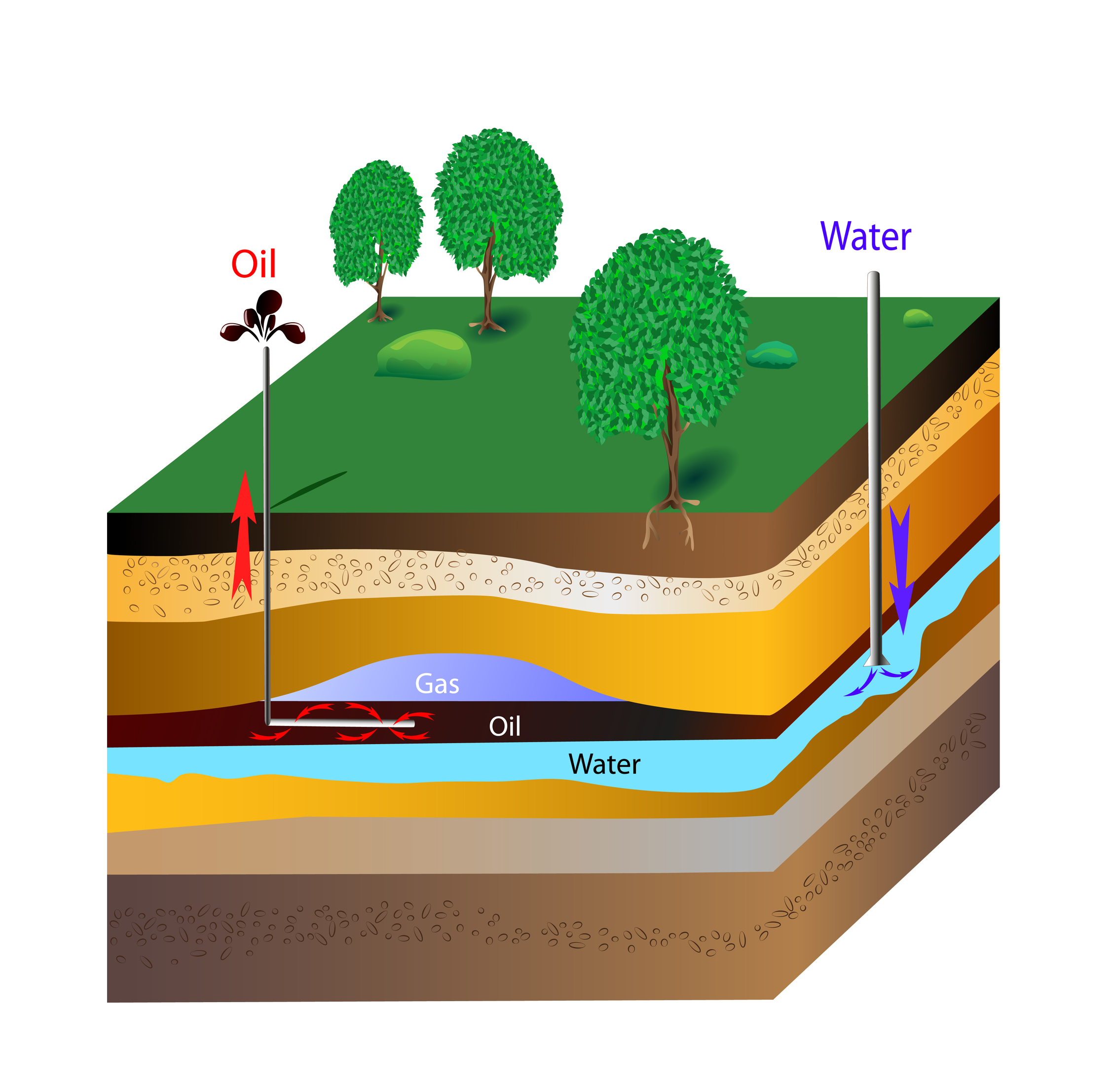
Ever filled up your car, lit a candle, or even just enjoyed the comfort of a heated home and wondered, “How on Earth did they find this stuff?” We're talking about oil, that crucial liquid gold that powers so much of our modern world. It’s not like there’s a giant “X” marking the spot on a treasure map, right? Well, sort of! Finding oil is a fascinating blend of ancient history, cutting-edge science, and a whole lot of geological detective work.
So, let's dive into the earth, figuratively speaking, and uncover the secrets of how these elusive hydrocarbon reservoirs are tracked down. Grab a coffee; this is going to be an easy ride.
Nature's Slow Cooker: Where Does Oil Come From?
Before we can find it, we need to understand what it is and how it forms. Imagine millions upon millions of years ago, when ancient seas were teeming with tiny marine organisms and plants. When these creatures died, they sank to the bottom, getting buried under layers of mud and sediment.
Must Read
Over eons, as more layers piled on, the pressure and heat increased dramatically. This process is like nature's ultimate slow cooker, transforming that organic gunk into kerogen, and then, with even more time and the right conditions, into the crude oil and natural gas we rely on today. It's truly a testament to the Earth's incredible geological processes.
The Geological Detectives: Knowing Where to Look
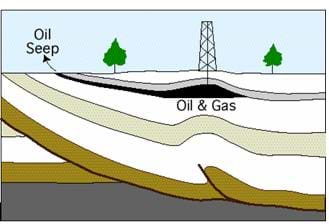
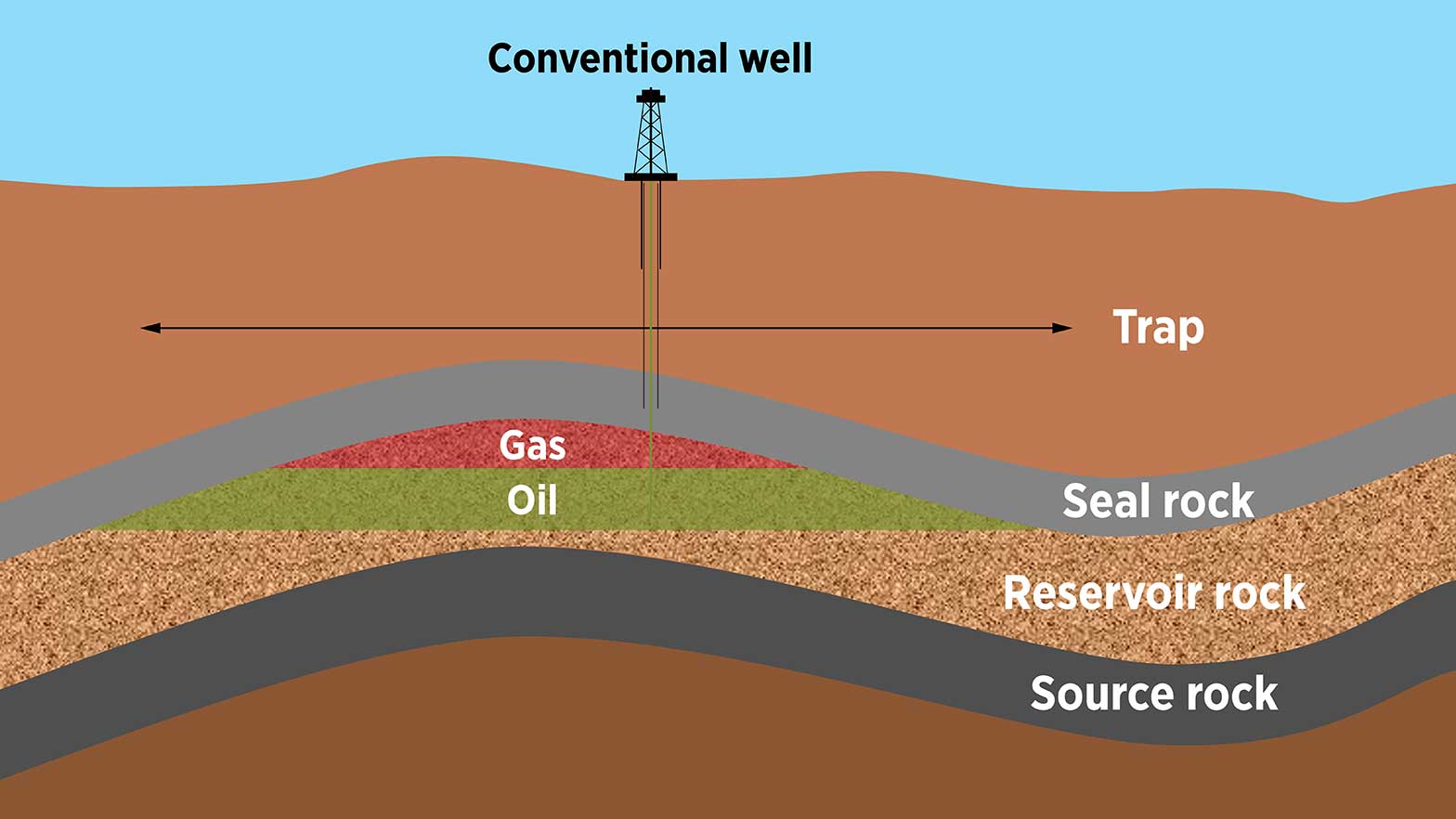
You can't just drill anywhere and hope for the best; that would be like playing geological roulette! Oil forms in specific types of rocks (sedimentary rocks) and then migrates, often getting trapped in what geologists call "reservoirs". These are porous rocks, like sponges, capped by impermeable layers that prevent the oil from escaping.
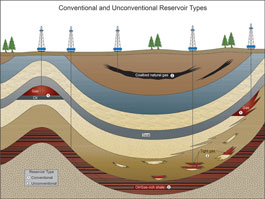
This is where the geological detectives come in. They are experts at reading the Earth's autobiography, studying rock formations, fault lines, and ancient depositional environments. They're looking for the 'right neighborhoods' – large sedimentary basins that have a history of conditions suitable for oil formation and trapping. Think of it as finding the perfect conditions for a hidden vault.
High-Tech Treasure Hunt: The Tools of the Trade
Once a promising area is identified, the real high-tech treasure hunt begins. This isn't just a guy with a divining rod anymore; we're talking about serious science!
1. Seismic Surveys: The Earth's Ultrasound
This is perhaps the most crucial tool. Imagine giving the Earth an ultrasound! Seismic surveys involve sending sound waves into the ground (or seabed) and then listening to the echoes as they bounce back from different rock layers.
On land, special trucks equipped with huge vibrators shake the ground, while at sea, air guns release pulses of compressed air. Geophones (on land) or hydrophones (at sea) then record the reflections. Scientists then interpret this data, creating 3D maps of the subsurface. They're looking for geological structures that could potentially trap oil, like domes, faults, or ancient reef formations. It's like seeing a detailed X-ray of the Earth's internal anatomy.
2. Gravity and Magnetic Surveys: Subtler Clues
These methods detect tiny variations in the Earth's gravitational and magnetic fields, which can hint at different rock densities or compositions deep underground. While not as precise as seismic data, they're great for initial reconnaissance over vast areas, helping to narrow down the search. It's like using a metal detector for really, really big buried objects.
3. Satellite Imaging & Remote Sensing: The Bird's Eye View
Sometimes, surface features visible from space or high-altitude aircraft can provide subtle clues about geological structures far below. This can help guide geologists to areas worth more detailed investigation. It's like spotting a faint trail from above that leads to a hidden spot.

The Moment of Truth: Drilling the Exploratory Well
Even with all this incredible technology, finding oil isn't a guarantee. The data can only tell you so much. Eventually, after immense study and significant investment, a decision is made to drill an exploratory well. This is the ultimate test – the moment of truth where they confirm if there’s actually oil and gas in commercial quantities. It’s an incredibly expensive undertaking, costing millions, sometimes hundreds of millions, of dollars for a single well. No wonder energy companies approach this with such diligence!
A Reflection on Hidden Depths
Isn't it amazing to think about the immense effort, technology, and sheer geological time that goes into getting the fuel that powers our daily lives? From ancient plankton to seismic waves and billion-dollar rigs, it's a story of incredible scale.
In a way, finding oil is a metaphor for discovery in our own lives. Whether it's finding a new passion, uncovering a solution to a tricky problem, or understanding a complex topic, it often requires looking beneath the surface, interpreting clues, employing the right tools, and having the patience to persist. Sometimes, the greatest resources – be it energy or personal potential – are hidden just out of sight, waiting for us to embark on our own little geological expedition to find them. Keep exploring!