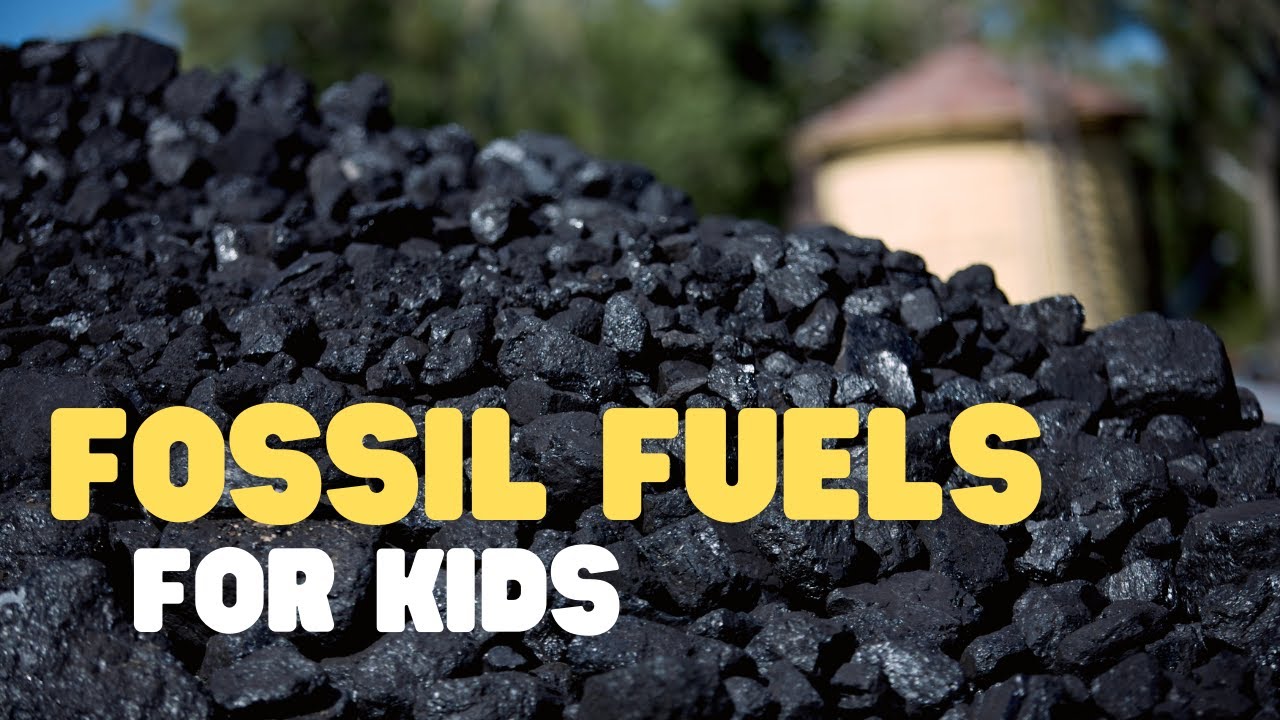
How Do You Find Fossil Fuels

Ever fueled up your car, flicked on a light switch, or cranked up the heating and thought, "Where does this stuff even come from?" We all use fossil fuels daily, but the journey from deep underground to our everyday lives is a bit like finding a super-secret, ancient treasure chest. And trust me, it’s not as simple as checking under the couch cushions.
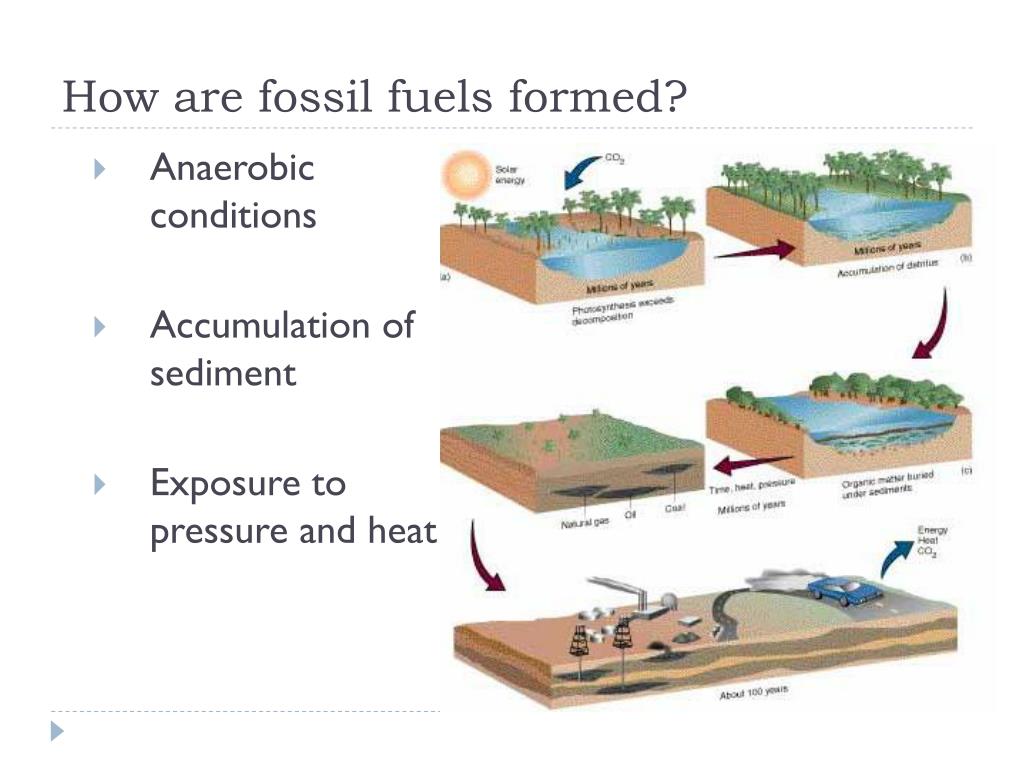
Think of it this way: Earth has been doing its own version of a very, very slow-motion, colossal composting project for millions of years. Dinosaurs, ancient plants, tiny sea creatures – when they kicked the bucket, they didn't just disappear. They settled at the bottom of ancient seas and swamps, got covered by layers of mud and sand, and then the Earth started its long, geological pressure cooking.
The Great Geological Bake-Off
Over eons, that organic goo, buried under immense heat and pressure, slowly transformed. It’s like making a super-dense, super-aged fruitcake, but instead of deliciousness, you get oil, natural gas, and coal. This process is so incredibly slow, it makes your internet buffering feel like warp speed.
Must Read
So, we know it's there somewhere. But the Earth is a big place, right? Finding these pockets of energy is less about stumbling upon a glowing X on a pirate map and more about becoming a geological Sherlock Holmes, but with way more expensive gadgets.
Playing Detective with the Earth
First up, we become master listeners. Imagine shouting into a giant canyon and trying to figure out what’s on the other side just by the echo. That's essentially what seismic imaging does. We send sound waves (often from specialized trucks or ships) down into the Earth.

When these sound waves hit different rock layers, they bounce back up. A specialized microphone system then listens for these echoes. Geologists then analyze these echoes like a cosmic symphony, creating a 3D picture of what’s happening hundreds or even thousands of feet below the surface. It’s like giving the Earth an ultrasound!
They’re looking for specific geological formations – places where the "cooked" organic matter might have gotten trapped. Think of it like trying to catch water in a leaky sieve; you need a solid container. These are called "traps": domes, faults, and other underground structures that act like natural reservoirs, holding the oil and gas in place.
The Moment of Truth: Drilling
Once the seismic images point to a promising spot, it's time for the big guns: exploratory drilling. This is where we literally poke a very deep, very expensive hole in the ground to see what’s down there. It’s the ultimate "stick a fork in it and see if it's done" moment.
Drilling is incredibly precise, but also a bit of a gamble. You could spend millions, drill for months, and find... absolutely nothing. Just layers of boring rock. This is called a "dry well," and it's basically the Earth giving you a shrug emoji. Imagine spending all that effort to dig for buried treasure, only to find an old shoe.

But when they hit it – when they find that black gold or natural gas – it's a huge moment. Specialized equipment then extracts samples, measures pressures, and confirms the discovery. It's like winning the lottery, but after having spent years studying the lottery balls and then physically digging them out yourself.
From Ancient Sludge to Your SUV
So, finding fossil fuels isn't just a simple dig. It's a complex, high-tech, and often incredibly risky blend of geology, physics, engineering, and a lot of patience. It’s the ultimate treasure hunt, happening deep beneath our feet, fuelled by millions of years of Earth's slow, steady processes.
Next time you fill up your tank or snuggle into a warm home, give a little nod to the incredible effort that went into pulling that ancient energy from the Earth's very deep, very dark pantry. It’s truly an amazing feat of modern technology meeting millions of years of natural history.