
How Do You Extract Natural Gas
Ever wonder how the cozy warmth from your furnace or the flame on your gas stove actually makes its way to your home? It’s not magic, although sometimes it feels pretty close! We’re talking about natural gas, a super important energy source that’s been chilling underground for millions of years. Think of it like a giant, invisible energy treasure chest hidden deep beneath our feet. And today, my friend, we’re going on a little adventure to discover how we get it out of there!
It’s a fascinating process, much cooler than just poking a giant straw into the ground (though that’s kind of part of it, eventually!). Let’s dive in, shall we?
First, You Gotta Find It! (The Great Underground Scavenger Hunt)
Before anyone starts drilling, we need to know where the good stuff is. This isn't just guesswork; it's a serious detective job for some very clever geologists. They're like Earth's private investigators!
Must Read
They use a technique called seismic surveying. Imagine sending sound waves deep into the Earth, bouncing them off different rock layers, and then listening to the echoes. It’s a bit like getting an ultrasound, but for the planet! These echoes paint a picture of the underground, revealing potential pockets where gas might be trapped in porous rocks (think of a sponge full of gas).
Once they have a promising map, they might drill an exploration well. This is like taking a tiny sip from a suspected juice box to see if it’s actually juice. If it is, then congratulations, we’ve found a potential party!

Next Up: Drilling, Drilling, Drilling! (The Big Dig)
Okay, so we know where the gas is hiding. Now for the fun part: getting it! This involves some serious machinery and engineering wizardry. Enter the drilling rig – that towering metal structure you might have seen in pictures. It’s basically a giant, super-powerful drill designed to bore holes thousands of feet into the Earth. No, you won't reach China, but you'll go pretty deep!
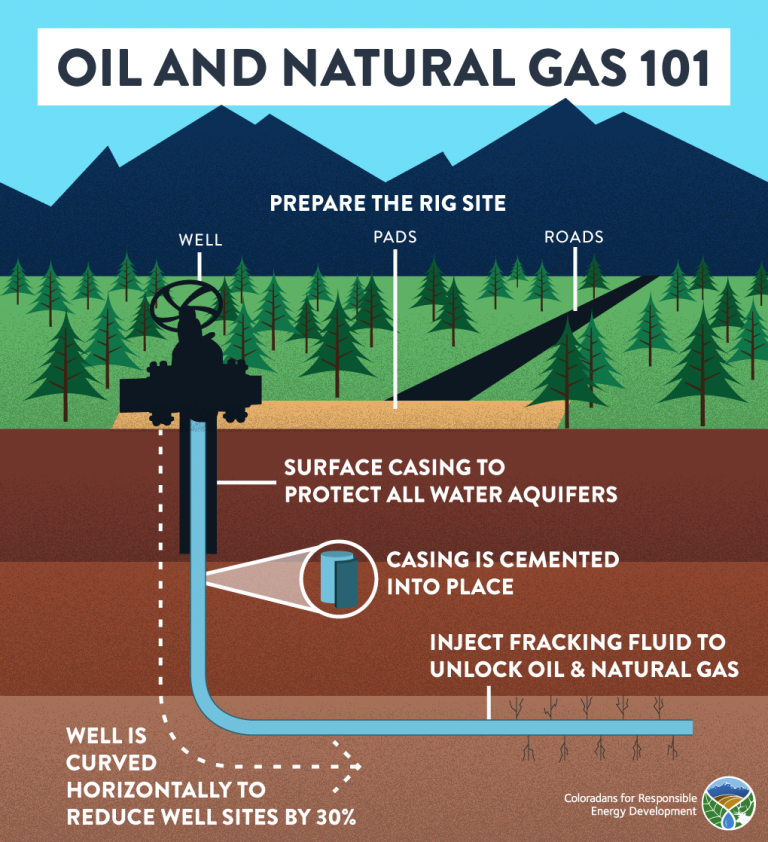
Initially, the drilling is vertical, a straight shot down, like trying to poke a perfect hole in the center of a cake. The drill bit, which is incredibly strong, grinds through layers of rock, and special drilling mud is pumped down to lubricate, cool the bit, and carry rock cuttings back to the surface. It's a bit messy, but someone's gotta do it!

The Smart Move: Horizontal Drilling (The Bendy Straw Technique!)
Here’s where things get really clever. Once the drill reaches the depth of the gas-bearing rock formation (sometimes miles down!), it doesn’t just stop. Oh no! Modern technology allows the drill to turn sideways and continue drilling horizontally within that rock layer for thousands of feet. Imagine pushing a straw into your drink and then bending it to suck up more liquid from across the glass without moving the cup. That's essentially what horizontal drilling does!
This technique is a game-changer because it allows us to access much more gas from a single well site, reducing the overall surface footprint. Pretty neat, right?
The Big Breakthrough: Hydraulic Fracturing (A Fancy Word for Cracking Rocks!)
Now, even if you’ve drilled horizontally into gas-rich rock, the gas might still be trapped in tiny, tiny pores, like water in a super-dense sponge. It needs a little nudge to flow freely. That nudge is called hydraulic fracturing, or "fracking" for short. Don't let the big words scare you!
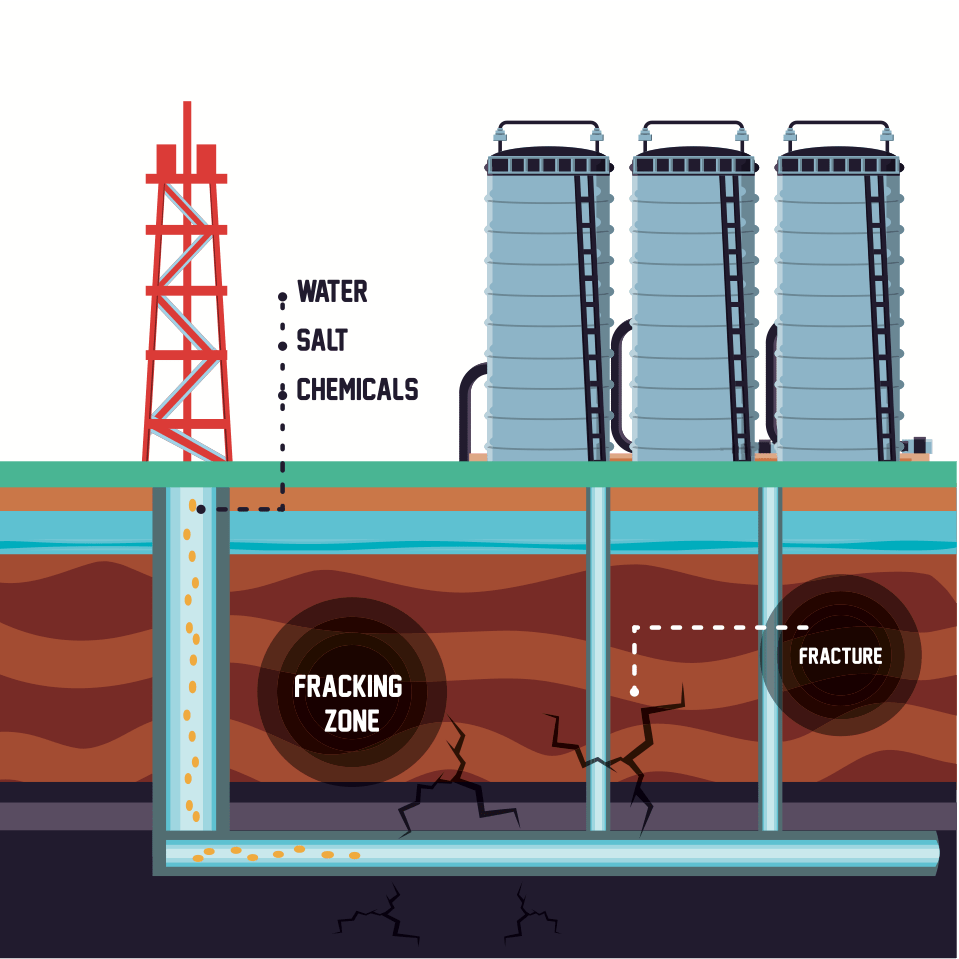
Here’s the gist: a mixture of water (mostly), sand, and a small percentage of special chemicals (think of them as super-slippery soap for rocks) is pumped down the well at high pressure. This pressure is strong enough to create tiny, hairline fractures – like microscopic cracks – in the deep rock formations. These cracks open up pathways for the trapped natural gas to escape.
The sand in the mixture is crucial! Once the pressure is relieved, the sand particles act like tiny props, holding those new fractures open. Without the sand, the cracks would just close back up like a shy clam. This allows the natural gas to flow much more easily towards the wellbore. Ta-da! Gas unlocked!

Bringing It Home: The Grand Finale!
With the rock fractured and pathways open, the natural gas, along with the water from the fracking process, flows up the well to the surface. At the surface, specialized equipment separates the gas from any water or other liquids. The water is then treated and often reused, because hey, we don't like to waste!
The clean natural gas then gets piped away through a vast network of pipelines – think of them as superhighways for gas – to processing plants, and eventually, to your homes and businesses. This whole intricate process, from deep underground to your stovetop, is a testament to human ingenuity and our constant quest for energy.
So, the next time you flick on your gas heater or cook a delicious meal, give a little nod to all the brainpower and technology that went into bringing that precious natural gas right to your fingertips. It's a journey thousands of feet down and back up again, all so we can enjoy comfortable, convenient energy. Pretty amazing, right? Keep smiling, and keep warm!