How Do You Convert Kw To Kwh
Ever stared at your electricity bill, feeling a bit like you’re deciphering ancient hieroglyphs? You’re not alone! Tucked among the numbers are two little acronyms: kW and kWh. They might look like twins, but they’re more like a superhero and their incredible journey. And once you understand their story, your bill suddenly makes a whole lot more sense – and maybe even brings a little smile to your face.
Meet kW: The Powerhouse in a Flash
Imagine your beloved Grandma, a legendary baker. When she says, "My oven can whip up a batch of scrumptious chocolate chip cookies in just ten minutes!" she's telling you about its raw potential. That "potential" or "rate" at which something uses or produces energy right now is what kW stands for: kilowatt. It's a snapshot, a moment in time.
Think of kW as how quickly your favorite appliance could be doing its job if it were running at full tilt. It’s the oven’s ability to get hot, the hairdryer’s blast of warmth, or the lightbulb’s brightness at the exact second you flip the switch. It's pure, unadulterated power, ready for action!
A small LED lightbulb might be 10 watts (or 0.01 kW), while a hefty electric car charger might be 7 kW. It’s like saying one little hummingbird flutters its wings, and a giant eagle soars majestically. Both are powerful, just on different scales.
Must Read
And Then Came kWh: The Full Story of a Day
Now, back to Grandma's cookies. Knowing her oven bakes a batch in ten minutes is great, but what about the whole family reunion? If she bakes for three glorious hours, churning out batch after delicious batch, how many cookies did she make in total? That's where kWh, or kilowatt-hour, steps onto the stage.
kWh isn't about what your oven can do in a moment; it's about what it actually did over a period of time. It's the accumulation, the grand total of energy used.
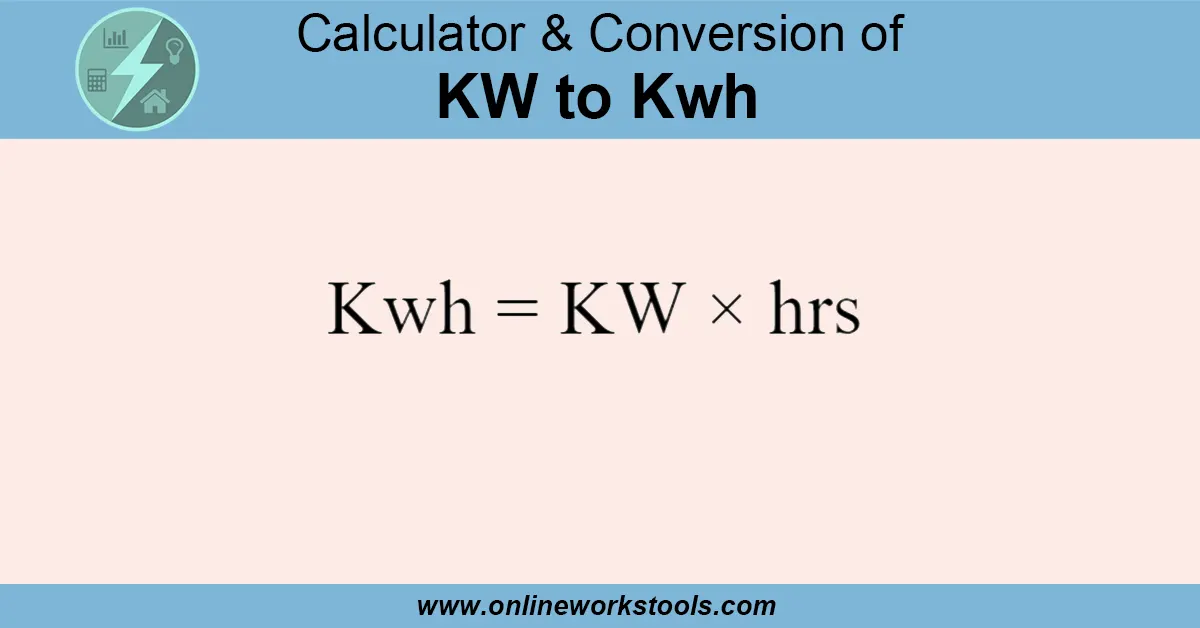
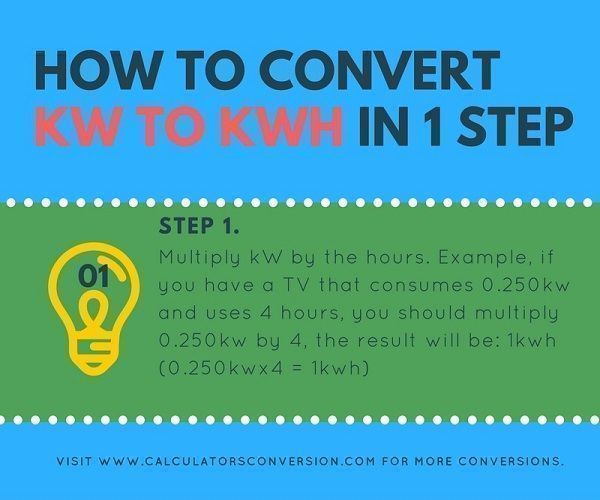
The conversion is surprisingly simple, and frankly, a little heartwarming in its straightforwardness: take the kW (how powerful something is) and multiply it by the number of hours it was running. That gives you your kWh.
So, if Grandma's oven is, say, a 2 kW appliance (meaning it uses 2 kilowatts of power when it’s on), and she bakes for 3 hours for the family reunion, she’s used 2 kW * 3 hours = 6 kWh of electricity. That's the real hero of the electricity bill – the total energy consumed that month, adding up all those moments of comfort and convenience.
The Magic of Understanding: From Mystery to Mastery
Suddenly, that seemingly confusing bill starts to whisper its secrets. That bright lightbulb (0.01 kW) left on overnight for 8 hours? That’s 0.01 kW * 8 hours = 0.08 kWh. Your refrigerator, which might pull 0.2 kW when its compressor runs, might run for, say, 10 hours a day (cycling on and off). That’s 0.2 kW * 10 hours = 2 kWh for just one day! Multiply that by 30 days, and you see how one appliance contributes to your monthly total.
This simple conversion isn't just about numbers; it's about empowerment. It’s about understanding the silent hum of your fridge keeping your leftovers fresh, the gentle whir of a fan cooling you on a hot night, or the glow of a lamp illuminating a bedtime story. Each of these moments, powered by electricity, adds up to the kWh you see on your bill.
So next time you look at that bill, remember Grandma’s cookies. Remember the difference between her oven's raw potential (kW) and the heartwarming total of all the batches she made for her family (kWh). It’s not just about electricity; it’s about the energy that fuels our lives, our comfort, and our cherished moments. And now, you're in on the secret!