
How Do You Check For Gas Leaks
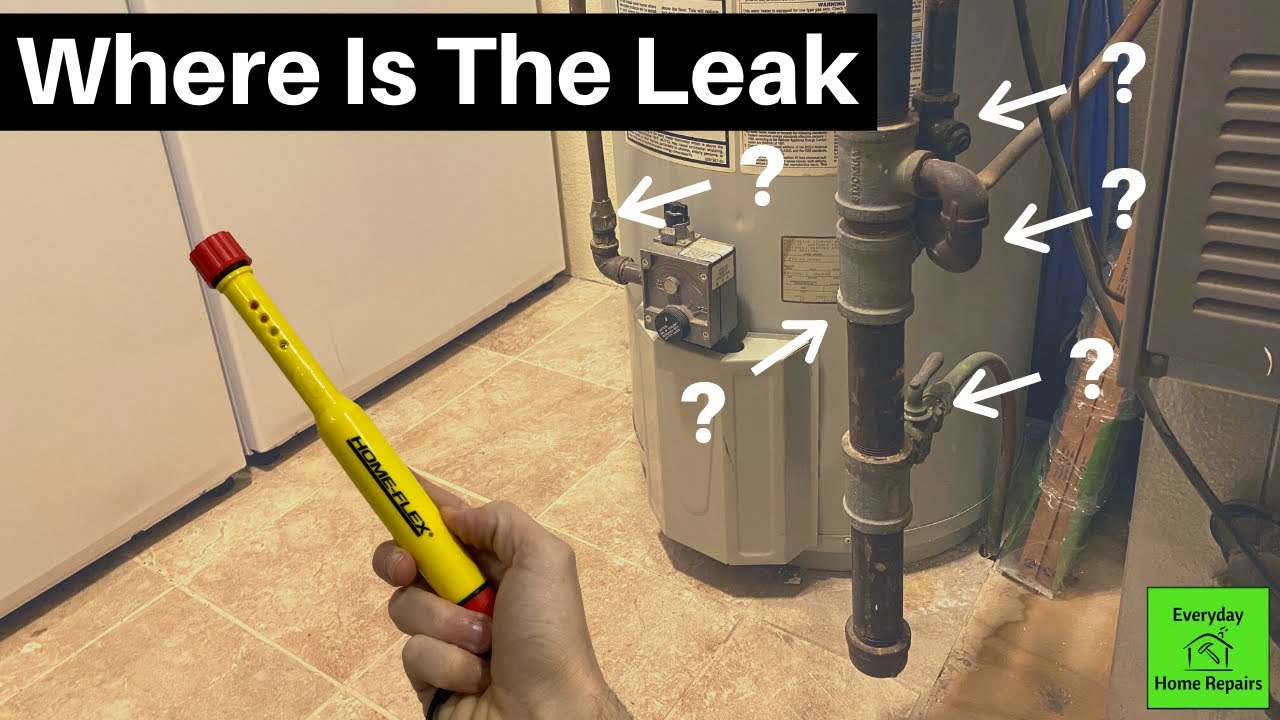
Ever walked into your kitchen and thought, "Wait, what's that smell?" Or maybe you're just a super-responsible homeowner (go you!) wondering about those invisible things that keep our homes cozy and our stoves cooking. Today, we’re diving into a topic that sounds a little serious but is actually super easy to manage: how to check for gas leaks. Think of it less as a chore and more as a mindful check-in with your home. Like giving your favorite houseplant a pep talk, but for your gas lines!
The Nose Knows: Your Built-In Detector
Let's kick things off with your most immediate and effective tool: your nose. Natural gas, in its pure form, is actually odorless. But because safety is paramount, gas companies add a chemical called mercaptan to it. This clever addition gives gas that distinct, unmistakable scent – often described as rotten eggs or sulfur. It’s designed to be pungent and easily noticeable, even in small amounts. So, if you catch a whiff of something suspiciously stinky that doesn't belong (and it's definitely not last night's forgotten takeout), trust your gut – or rather, your nose!
Fun Fact: Mercaptan is so potent that humans can detect it at incredibly low concentrations – sometimes as little as one part per billion. It’s like a tiny, invisible alarm bell ringing just for you!
Must Read
Eyes Wide Open: What to Look For
While your nose is the primary sensor, your eyes can also spot some subtle clues. Keep an eye out for these visual indicators:
- Dying Houseplants: If plants near a gas line are suddenly looking sad, wilting, or turning yellow for no apparent reason, a gas leak could be robbing them of oxygen. Poor little guys!
- Bubbling Puddles: Outdoors, if you see mysterious bubbles in standing water or mud near a gas line, it could indicate gas escaping from an underground pipe.
- Dust Blowing: Inside, if you notice dust or debris being blown around near gas appliances or pipes, it might be a subtle sign of escaping gas.
These aren't definitive proofs, but they're certainly good reasons to investigate further.

Ears to the Ground: Listen Up!
Sometimes, a gas leak can actually make itself heard. Listen carefully near gas lines and appliances for any unusual sounds. We’re talking about a faint hissing or whistling sound, which could indicate gas actively escaping from a pipe or fitting. Think of it like a tiny, pressurized whisper telling you something isn't quite right. If you hear it, it’s definitely time to take action.
The Classic Bubble Test: DIY Detective Work
Alright, time for a practical, low-tech, and super effective DIY method: the soap and water test! This is fantastic for pinpointing smaller leaks around appliance connections or pipe joints.

Here’s how to do it:
- Mix a generous amount of dish soap with water in a spray bottle or a small bowl until it forms a very soapy solution.
- Spray or brush the soapy mixture onto the gas connections, valves, and pipes you suspect might be leaking.
- Watch closely! If you see bubbles forming and growing where you applied the solution, you’ve likely found a leak. The gas escaping will push through the soap, creating tell-tale bubbles.
- If you find bubbles, do not try to fix it yourself beyond tightening a very slightly loose connection if you're absolutely confident and know what you're doing. For anything more, it’s pro time.
Crucial Reminder: Never, ever use an open flame – like a match or lighter – to check for gas leaks. That's a big no-no and incredibly dangerous!

Modern Marvels: Gas Detectors
For those who love a little tech in their lives, consider investing in a gas leak detector. These handy gadgets come in two main types:
- Fixed detectors: Similar to smoke alarms, these plug into an outlet or are hardwired, constantly monitoring for natural gas or carbon monoxide (CO) and sounding an alarm if levels become unsafe. Many modern ones even integrate with smart home systems, sending alerts to your phone.
- Handheld detectors: These portable devices allow you to scan specific areas for leaks, giving you a digital readout or audible alert when gas is present. Think of it as a personal gas-sniffing gadget!
Having a CO and gas detector is like having a silent, ever-vigilant guardian for your home, offering an extra layer of peace of mind.

When in Doubt, Call the Pros!
If you suspect a gas leak based on any of these signs – especially if you smell gas strongly – your immediate action is paramount.
- Don't touch light switches, appliances, or anything that could create a spark.
- Open windows and doors to ventilate the area.
- Evacuate everyone from the home immediately.
- Once you're safely outside and away from the building, call your gas company's emergency line or 911. They will send trained professionals to investigate and fix the issue safely.
Seriously, this isn't the time for a DIY hero moment. Professionals have the right equipment and expertise to handle gas leaks safely.
Ultimately, checking for gas leaks is less about fear and more about responsible home stewardship. It’s about understanding the subtle language of your living space and knowing when to act. A quick sniff, a visual check, and maybe a little bubble fun can go a long way in keeping your home safe, sound, and smelling just right. So, take a moment, tune into your surroundings, and give your home the thoughtful attention it deserves. After all, a safe home is a happy home!