
How Do You Check For A Gas Leak
Hey there, amazing human! Ever stopped to think about all the invisible heroes that keep your home comfy and cozy? From the sturdy foundation to the internet zipping through the air, so much goes on behind the scenes. And one of those unsung heroes, when it’s working perfectly, is your home's natural gas system. It heats your water, cooks your dinner, and warms your living room – pure magic, right?
But like any good magic show, you want to make sure everything's running smoothly. That's where knowing how to check for a gas leak comes in. Now, before you picture dire warnings and scary scenarios, let's flip the script! Learning about gas leak detection isn't about fear; it's about empowerment, peace of mind, and adding another layer of awesome to your already fantastic life. Think of it as gaining a superpower – the power of proactive safety!
Knowing you've got this skill in your back pocket means you can truly relax and enjoy your home. It means less worrying and more living, more laughing, and more perfectly cooked meals. So, let’s dive into how to be your own home safety superhero, shall we?
Must Read
Your Nose Knows: The Power of Scent
Mother Nature gave us some incredible tools, and your sense of smell is a powerhouse. Gas companies are super smart – natural gas itself is actually odorless. But for your safety, they add a special chemical called mercaptan. What does mercaptan smell like, you ask? Think rotten eggs. Yes, that distinctive, sulfuric whiff that makes you wrinkle your nose is actually a brilliant safety feature!
So, if you ever catch a strange, sulfurous, or rotten-egg-like odor in your home, especially near gas appliances, your nose is telling you something important. Don't ignore it! Your olfactory senses are your first, and often best, line of defense. It’s like your home is politely sending you a scented message: "Psst! Check this out!"

Listen Up! The Whispers of a Leak
Sometimes, your ears can be just as helpful as your nose. If a gas leak is significant, you might actually hear it! A gas leak can produce a faint to not-so-faint hissing sound. This is the sound of gas escaping from a pipe or connection.
It might sound like a tiny, sneaky serpent or just a soft, steady rush of air in a place where there shouldn't be one. So, take a moment occasionally, especially when things are quiet, and just listen. Tune into your home's soundtrack. If you hear anything unusual, particularly that tell-tale hiss, it’s time to investigate further. Your ears are like tiny, personal leak detectors!
The Bubble Test: A Mini Science Experiment!
Now, for a truly fun and hands-on method that makes you feel like a detective with a chemistry set! This is where the soap and water test shines. It’s simple, effective, and uses everyday items.

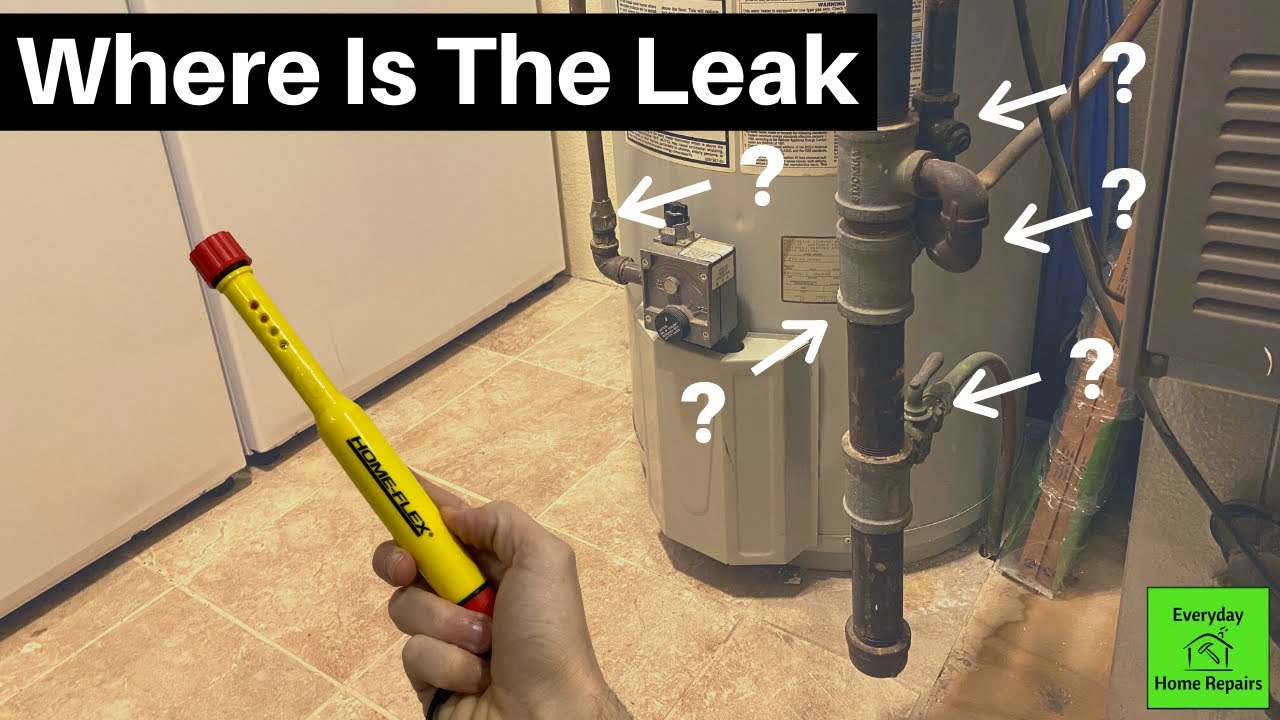
Here’s how you do it: mix a good amount of dish soap with water in a spray bottle or a cup. Get it nice and sudsy! Then, carefully apply the mixture to areas where gas connections are, like around your gas stove fittings, water heater connections, or furnace pipes. What are you looking for? Bubbles!
If gas is escaping, it will cause the soap solution to bubble up, just like blowing bubbles with a wand. The more pronounced the bubbles, the more significant the leak. It’s a fantastic visual confirmation, and honestly, a little bit satisfying when you see those tiny tell-tale signs. It's like your own personal, non-toxic leak-finding disco!

Gadgets Galore: Your Silent Sentinels
Beyond your amazing senses and a bit of soapy fun, technology has your back too! Investing in a natural gas detector (and often a carbon monoxide detector, which is another crucial safety device!) is a brilliant move. These devices plug into an outlet or are battery-operated and constantly monitor the air in your home.
If they detect natural gas (or carbon monoxide), they'll sound a loud, unmistakable alarm. Think of them as your home's watchful guardians, always on duty, even when you're sleeping. Just remember to check their batteries and placement periodically, just like you would a smoke detector. They offer an extra layer of confidence, letting you sleep soundly knowing you've got a high-tech buddy keeping watch.
What To Do If You Suspect A Leak (The Super-Important Part!)
Okay, so you’ve sniffed, listened, bubbled, or heard an alarm. What’s next? This part is critical, so let's keep it clear and calm:

- Don't use anything that could create a spark: No light switches, no phones, no igniting anything.
- Open windows and doors: Get some fresh air circulating immediately.
- Get everyone out: Safely evacuate your home and move a safe distance away.
- Call for help: Once you are outside, call your gas company's emergency line or 911 immediately.
Remember, these steps are about quick, decisive action that keeps everyone safe. You've done the smart thing by detecting it; now let the professionals handle the fix.
Empowered, Informed, and Ready for Anything!
See? Checking for a gas leak isn't a scary, complicated task. It's a journey into understanding your home, tapping into your natural senses, and embracing a little bit of helpful technology. It’s about being proactive, not reactive. It’s about knowing you’ve equipped yourself with the knowledge to keep your sanctuary, your happy place, safe and sound.
When you feel confident about home safety, you unlock a whole new level of enjoyment. You can truly relax, entertain with glee, and simply bask in the comfort of your space, knowing you've taken intelligent steps to protect it. So go forth, embrace your inner home safety guru, and let this knowledge inspire you to learn even more about making your world a safer, happier, and even more fun place to be! Because an informed homeowner is a happier homeowner, and that, my friend, is something truly worth celebrating!