
How Do You Charge A Car Battery With Jumper Cables
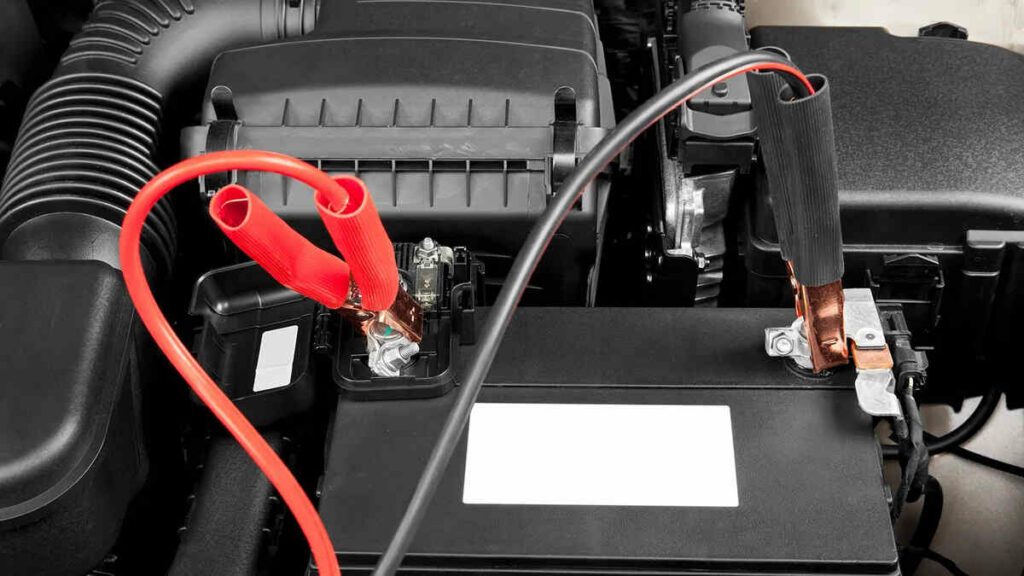
Alright folks, gather 'round! Let's talk about something we've all (probably) experienced: the dreaded dead car battery. It's like your car is giving you the silent treatment, only instead of being mad about you forgetting your anniversary, it's mad about…well, probably just old age. Fear not! We're diving into the ancient art of jump-starting a car. Think of it as vehicular CPR, but with cables and (hopefully) fewer tears.
What You'll Need: Besides a Prayer
First, the essentials. You'll need jumper cables, obviously. Make sure they're not those flimsy, bargain-bin specials. You want cables thick enough to actually conduct electricity, not just look pretty. And, just as crucial, you need another car with a functioning battery. It's no good trying to jump-start a dead battery with another dead battery. That's just a recipe for automotive depression.
Also, a pair of safety glasses is a good idea. Because, you know, safety first! We don't want any exploding battery acid incidents. Unless you’re secretly a superhero in disguise, but even then, protecting your peepers is always a wise move. And finally, a pinch of patience. This might take a few tries, and yelling at your car probably won't help (though I admit, I've tried).
Must Read
The Jumper Cable Tango: A Step-by-Step Guide
Okay, deep breaths. Here comes the fun part. Try not to electrocute yourself. I'm kidding…mostly.
- Positioning is Key: Park the car with the good battery close to the car with the dead battery. Make sure they're close enough that the jumper cables can reach, but not touching. We don't want any accidental sparks creating an impromptu automotive fireworks display.
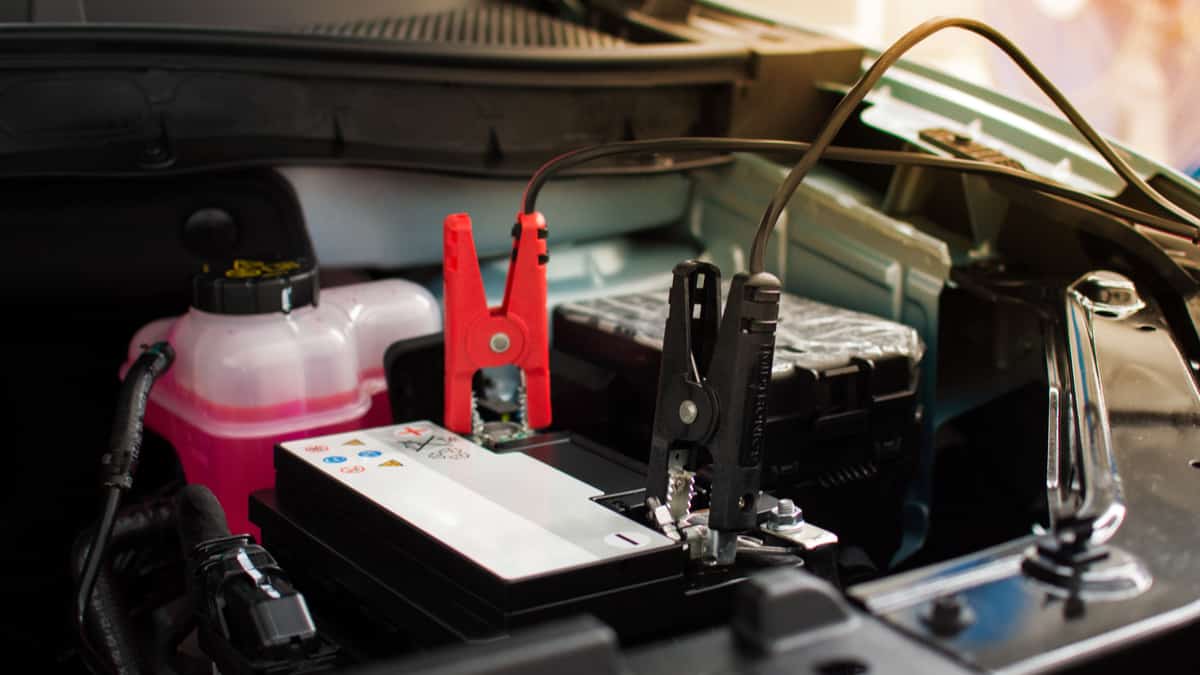
- The Order of Operations: Red First! This is super important. Connect one of the red (positive) clips to the positive (+) terminal on the dead battery. It's usually marked with a plus sign, so unless you're convinced your car speaks hieroglyphics, you should be able to find it.
- Red to Red, Still Good: Now, connect the other red clip to the positive (+) terminal on the good battery. So far, so good! We're connecting positive to positive like responsible adults.
- Black to Black (Almost): Grab one of the black (negative) clips and connect it to the negative (-) terminal on the good battery. This part's straightforward.
- The Grounding Ceremony: This is where things get a little different. Take the last black clip and connect it to an unpainted metal surface on the car with the dead battery. This could be a bolt, a strut, anything metal and unpainted. Do NOT connect it directly to the negative terminal of the dead battery! This avoids sparks near the battery, which, trust me, you want to avoid. Battery explosions are very inconvenient.
The Moment of Truth: Crossing Fingers is Encouraged
Alright, the cables are connected. Now, it's time to crank up the good Samaritan car! Start the engine and let it run for a few minutes. This is giving the dead battery a little jumpstart (pun intended) and letting it soak up some precious electrons. Maybe hum your favorite power ballad to encourage the process.
After a few minutes, try starting the car with the dead battery. If it starts, Hallelujah! You've successfully performed vehicular CPR! If it doesn't, give it another few minutes of charging and try again. If it still doesn't start, you might have a bigger problem than just a dead battery. It could be a bad starter, a fuel issue, or maybe your car is just being dramatic.
The Great Cable Disconnect: In Reverse Order!
Once the dead car is running, carefully disconnect the jumper cables in the reverse order you connected them. That means:
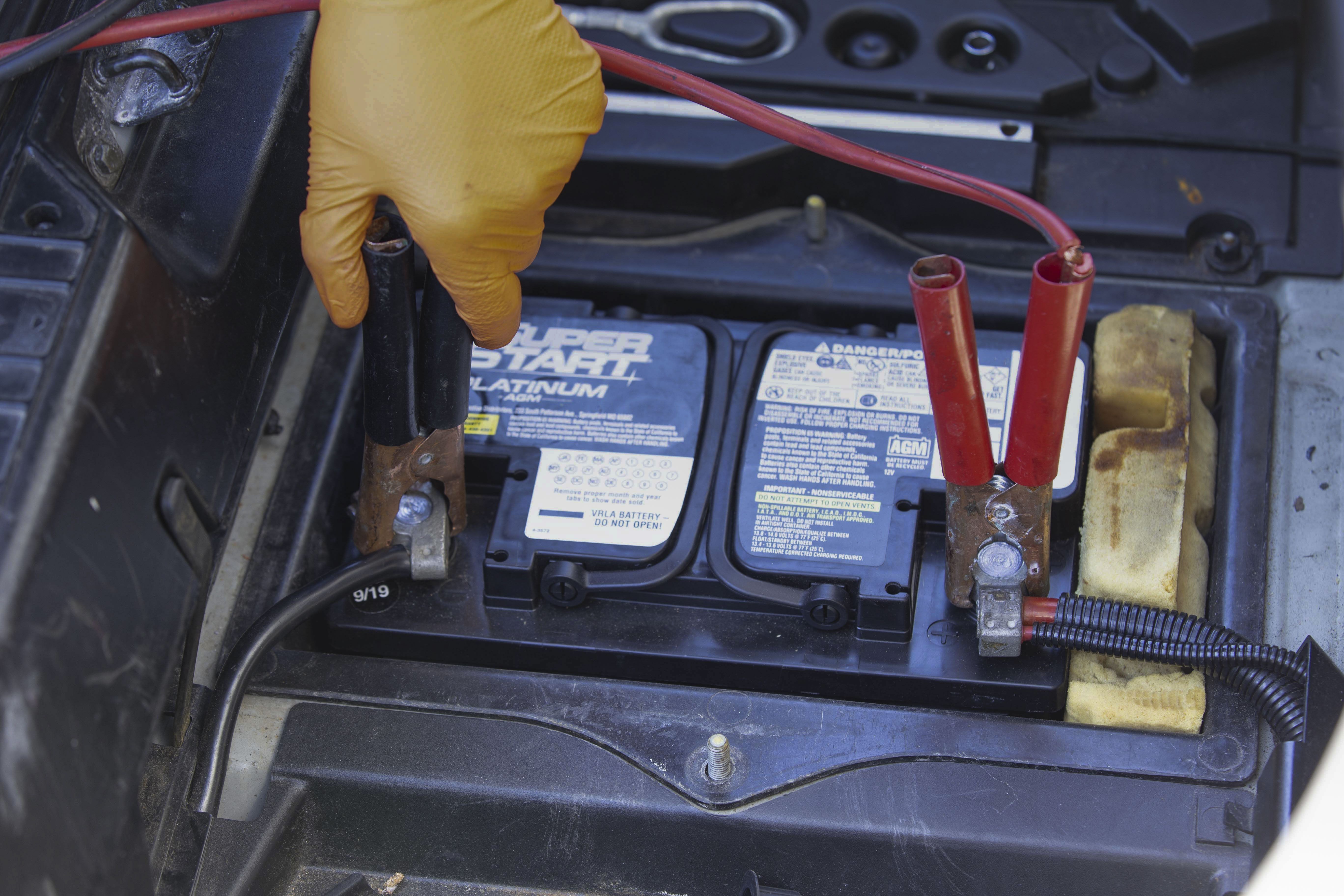
- Disconnect the black clip from the unpainted metal surface on the car that was dead.
- Disconnect the black clip from the negative (-) terminal on the good battery.
- Disconnect the red clip from the positive (+) terminal on the good battery.
- Disconnect the red clip from the positive (+) terminal on the car that was dead.
Let the revived car run for a good 20-30 minutes to allow the battery to recharge properly. If you shut it off immediately, you're just asking for a repeat performance of this entire saga. And nobody wants that.
Pro-Tips and Warnings: Because Life is Full of Surprises
- Don't let the clips touch each other while connected to a battery. This creates a short circuit, which is bad news bears.
- If you see sparks, smoke, or hear hissing sounds, stop immediately! Something is very wrong. And probably smells bad.
- If you're unsure about any of this, call a professional! Seriously. It's better to be safe than sorry (and stranded).
- Consider getting a portable jump starter. These little gadgets are a lifesaver and save you from having to rely on the kindness of strangers (or, you know, that one friend who always conveniently "forgets" their jumper cables).
So there you have it! You've successfully navigated the treacherous waters of jump-starting a car. Now go forth and conquer the road… just maybe get that battery checked out soon, okay?

