
How Do You Become An Environmental Engineer
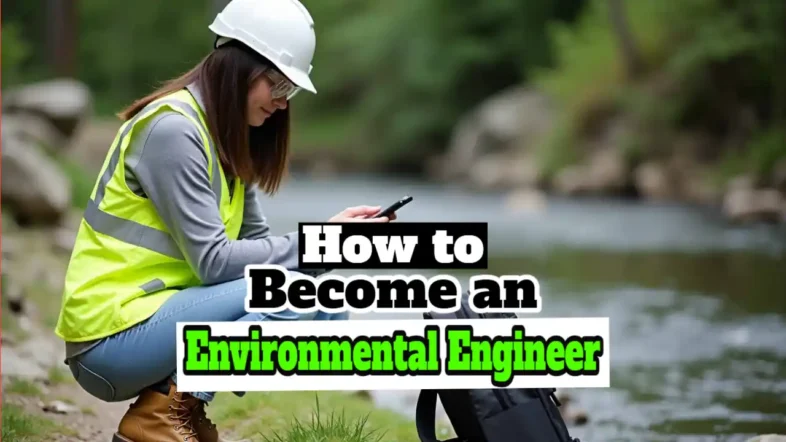
So, you wanna be an environmental engineer? Awesome choice! It’s basically like being a superhero, but for the planet. Instead of a cape, you get cool data sets. Let’s dive into how you can make this dream a reality!
Step 1: School is Cool (Seriously!)
First things first: You need some serious book smarts. Think of it as leveling up your brain. You'll want a Bachelor's degree in environmental engineering. Or, you could start with something like civil engineering, chemical engineering, or even environmental science. Then specialize later. It's like choosing your character class in a video game!
Bonus points if you take courses in chemistry, biology, math (lots of it!), and physics. You’ll be using all of that stuff. Trust me. It's not just about memorizing formulas. It's about understanding how the world actually works.
Must Read
Did you know some environmental engineers actually have minors in things like public policy or economics? Talk about versatile! You’re not just cleaning up messes; you’re understanding why they happen in the first place.
Step 2: Get Your Hands Dirty (But Safely!)
Okay, classroom stuff is important, but real experience is GOLD. Look for internships or co-op programs. These are your chances to see what environmental engineers actually do all day.
You might be collecting water samples, designing wastewater treatment plants, or even figuring out how to clean up contaminated soil. It's way more exciting than it sounds! Imagine finding some weird, glowing algae and having to figure out what it is. Just kidding… mostly.

Seriously though, internships are where you learn the unwritten rules. Like, how to properly label a sample so it doesn't get thrown away. Or how to survive a meeting where everyone's arguing about the best type of pipe to use. These skills are invaluable.
Step 3: Master the Software (Become a Digital Wizard!)
Environmental engineering isn't just about getting muddy boots. A lot of it involves computer modeling and data analysis. Learn programs like AutoCAD, GIS (Geographic Information Systems), and specialized software for things like air quality modeling.
Think of it like this: You're building a virtual world to predict how pollution will spread or how effective a cleanup strategy will be. It's like playing SimCity, but with real-world consequences. No pressure!
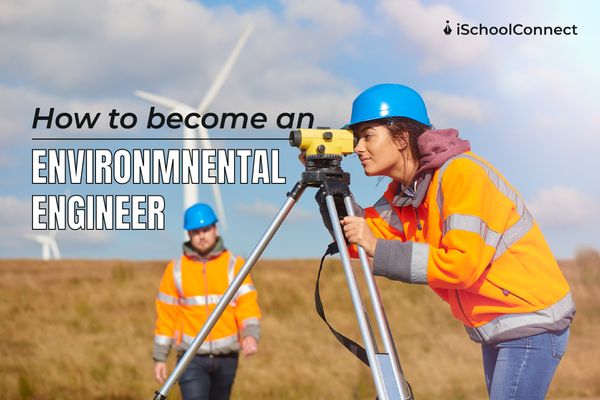
Some engineers even use drones to monitor pollution levels! How cool is that? It's like being a spy, but for a good cause. “The sky is full of particulates. I repeat, the sky is full of particulates!”
Step 4: Get Licensed (It's Like a Secret Club!)
Once you’ve got your degree and some experience, you’ll want to become a Professional Engineer (PE). This usually involves passing an exam and having several years of experience under your belt. It's like earning a black belt in environmental problem-solving.
Being a licensed PE allows you to sign off on designs and take on more responsibility. It also makes you look super credible. Like, "Yeah, I'm not just some random person who likes trees. I'm a licensed professional who knows how to save the planet."
![How to Become A Environmental Engineer [2021 Updated Guide]](https://www.constructionplacements.com/wp-content/uploads/2021/05/How-to-Become-A-Environmental-Engineer.jpg)
Plus, you get to use the initials "PE" after your name. Instant respect! It's like having a secret code that only other engineers understand.
Step 5: Choose Your Adventure (What Kind of Hero Will You Be?)
The cool thing about environmental engineering is that there are tons of different paths you can take. You could specialize in:
- Water resources: Designing and managing water systems, cleaning up polluted water sources.
- Air quality: Figuring out how to reduce air pollution, monitoring air quality.
- Hazardous waste management: Cleaning up contaminated sites, safely disposing of hazardous materials.
- Sustainability: Developing sustainable practices, reducing our environmental impact.
Maybe you want to work for the government, helping to enforce environmental regulations. Or maybe you want to work for a private company, designing environmentally friendly products. The possibilities are endless!
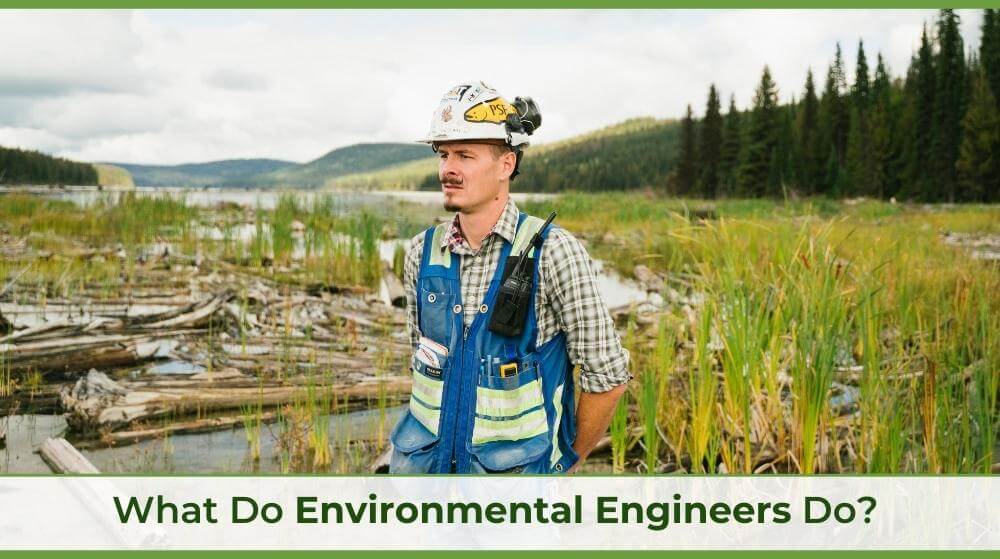
Seriously, you could be designing green buildings, developing renewable energy technologies, or even helping communities adapt to climate change. It’s all about finding what you’re passionate about and running with it.
Step 6: Never Stop Learning (The Planet Keeps Changing!)
Environmental engineering is a constantly evolving field. New technologies are always being developed, and new challenges are always emerging. So, you gotta stay curious and keep learning!
Attend conferences, read journals, and network with other engineers. The more you know, the better equipped you’ll be to tackle the planet's biggest environmental problems.
And remember, it's okay to make mistakes! Everyone does. The important thing is to learn from them and keep pushing forward. After all, saving the planet is a team effort. So, grab your metaphorical cape and join the fun! The world needs more environmental engineers!