How Do You Adjust A Thermostat
Ever walked into a room and felt instantly too hot or too cold? It’s a common experience, isn't it? But have you ever paused to think about the unassuming little device that holds the power to transform that feeling into perfect comfort? We're talking about the thermostat! It might seem like a simple dial or a small screen on your wall, but understanding how to adjust a thermostat is like gaining a secret superpower over your environment. It's not just about clicking a button; it's about mastering your personal microclimate and, believe it or not, even saving a bit of cash.
At its core, a thermostat's purpose is wonderfully straightforward: it’s the brain of your home’s heating and cooling system. It monitors the ambient temperature and compares it to your desired setting, known as the set point. When the room temperature dips below your set point in heating mode, it tells the furnace to kick in. When it rises above in cooling mode, it signals the air conditioner. The benefits? Oh, they're plentiful! First and foremost, it grants you unparalleled comfort control. Imagine waking up to a perfectly warm house on a chilly morning, or stepping into a cool oasis after a sweltering summer day. Beyond personal luxury, it’s a champion for energy efficiency. By not overheating or overcooling your space when it's not needed, you significantly reduce your energy consumption, which is good for your wallet and the planet. Plus, maintaining a consistent temperature can contribute to a healthier indoor environment, preventing extremes that might affect sleep or general well-being.
You can see thermostats in action everywhere, not just in your home. Think about a school classroom where the teacher adjusts the temperature to keep students focused, or an office building where facilities managers use complex systems to ensure comfort for hundreds of employees. In daily life, learning to adjust your thermostat means you can set it lower when you're leaving for work to save energy, then program it to warm up just before you arrive home. Even in a subtle educational sense, understanding a thermostat touches on basic physics – the principles of heat transfer and energy conservation. For kids, it’s a simple, tangible example of cause and effect: turn the dial, and the room changes.
Must Read
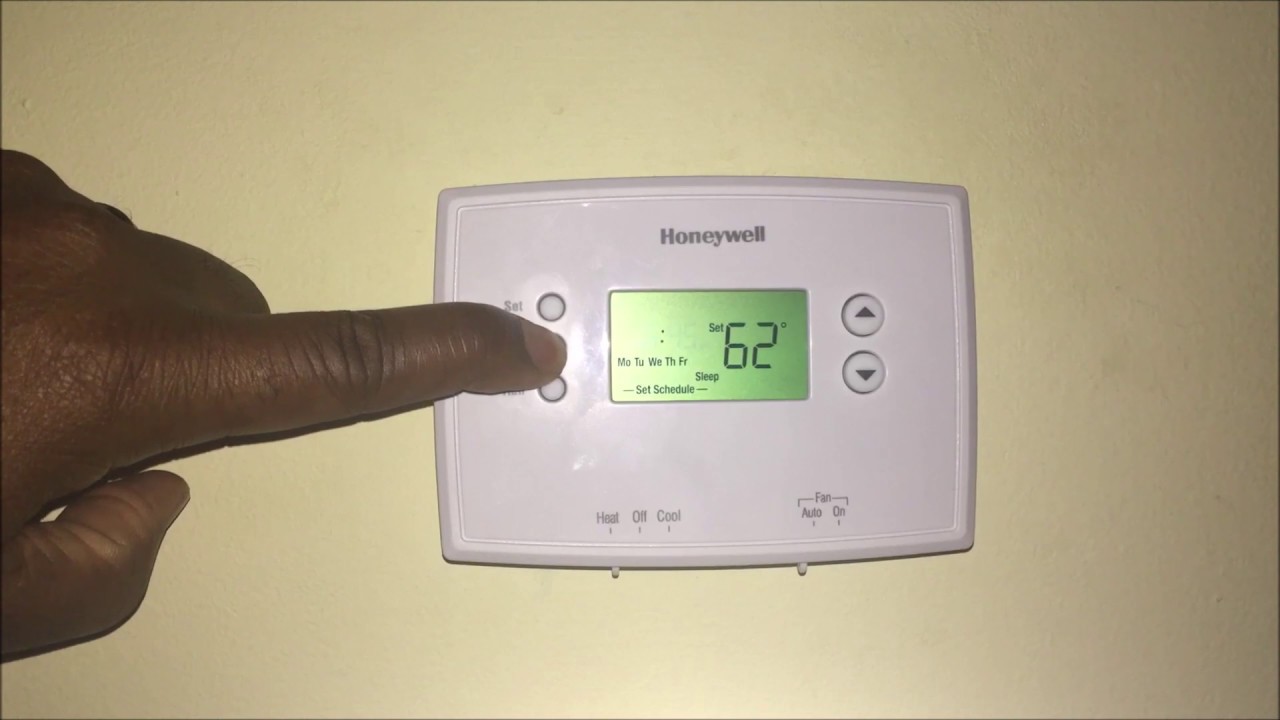
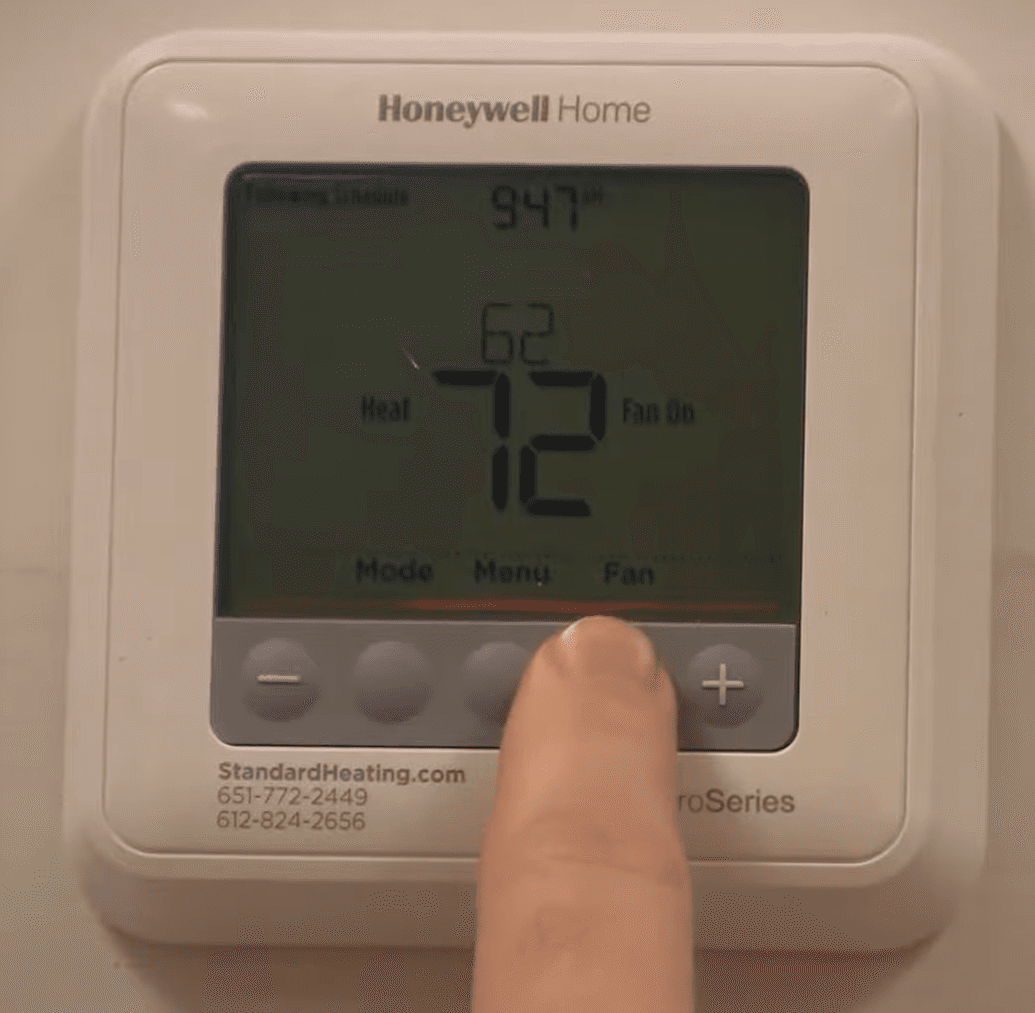
Ready to explore this mini marvel? Here are some practical tips to get started. First, locate your thermostat. Is it a classic mercury switch, a digital display, or a smart, Wi-Fi-enabled device? Understanding its type is the first step. Next, get familiar with its basic functions: you’ll typically find modes like Heat, Cool, and Off, plus an Auto fan setting (which runs the fan only when heating or cooling) and an On setting (which keeps the fan blowing constantly). Don't be afraid to experiment gently! Try adjusting your set point by just one degree and observe how quickly your system responds. Notice the sounds, the subtle shift in air. For optimal energy savings, a great tip is to practice "setbacks": lower the temperature a few degrees in winter (or raise it in summer) when you’re asleep or away from home. Modern smart thermostats take this a step further, learning your habits and allowing you to control them remotely from your phone, adding another layer of convenience and efficiency. So, go ahead, give that thermostat a curious look – it holds more power than you might think!