Have you ever driven past those giant wind turbines? They stand tall and majestic, slowly spinning their mighty blades. You might wonder, "How on Earth do those colossal contraptions actually make electricity?"
Perhaps you imagine some incredibly complex, top-secret wizardry happening up there. Maybe tiny gnomes are furiously pedaling generators inside, fueled by a special blend of sunshine and unicorn wishes.
Well, I'm here to share what might be an unpopular, but deeply satisfying, opinion. The truth is, it's really, really simple. Like, "I can't believe we didn't figure this out sooner" simple.
People often overcomplicate things, don't they? They assume anything big and technologically advanced must hide layers of arcane secrets. But sometimes, the best solutions are the most elegant.
It All Starts with a Breeze (Not Magic Dust)
Forget the gnomes. Forget the secret spells. The absolute first step is something you experience every single day: wind. Yes, good old air moving from one place to another, doing its breezy thing.
These majestic machines are basically just glorified pinwheels, giant versions of something you might have played with as a child. Gigantic, super-engineered pinwheels, but pinwheels nonetheless.
The wind simply pushes on the big blades, and they obediently start to spin. There’s no fancy trick here, just nature’s own power applied to a big, waiting surface.
It's like when you hold your hand out the car window. The air pushes on your palm, creating a force. Imagine that push, but amplified by massive, expertly shaped blades.
The Blades: Nature's Giant Paddles
Let's talk about those impressive blades for a moment. They aren't just flat planks or simple oars. Oh no, they are marvels of aerodynamic design, much like an airplane wing, only they are built to be pushed instead of creating lift for flight.
Their clever, curved shape helps them catch the wind most efficiently, coaxing it into giving up its energy. The wind creates pressure on one side, pushing the blade around with surprising force.
So, the wind blows, the blades turn. Simple, right? No complex algorithms, no mysterious energy conversion yet. Just pure, unadulterated rotational motion, brought to you by Mother Nature.
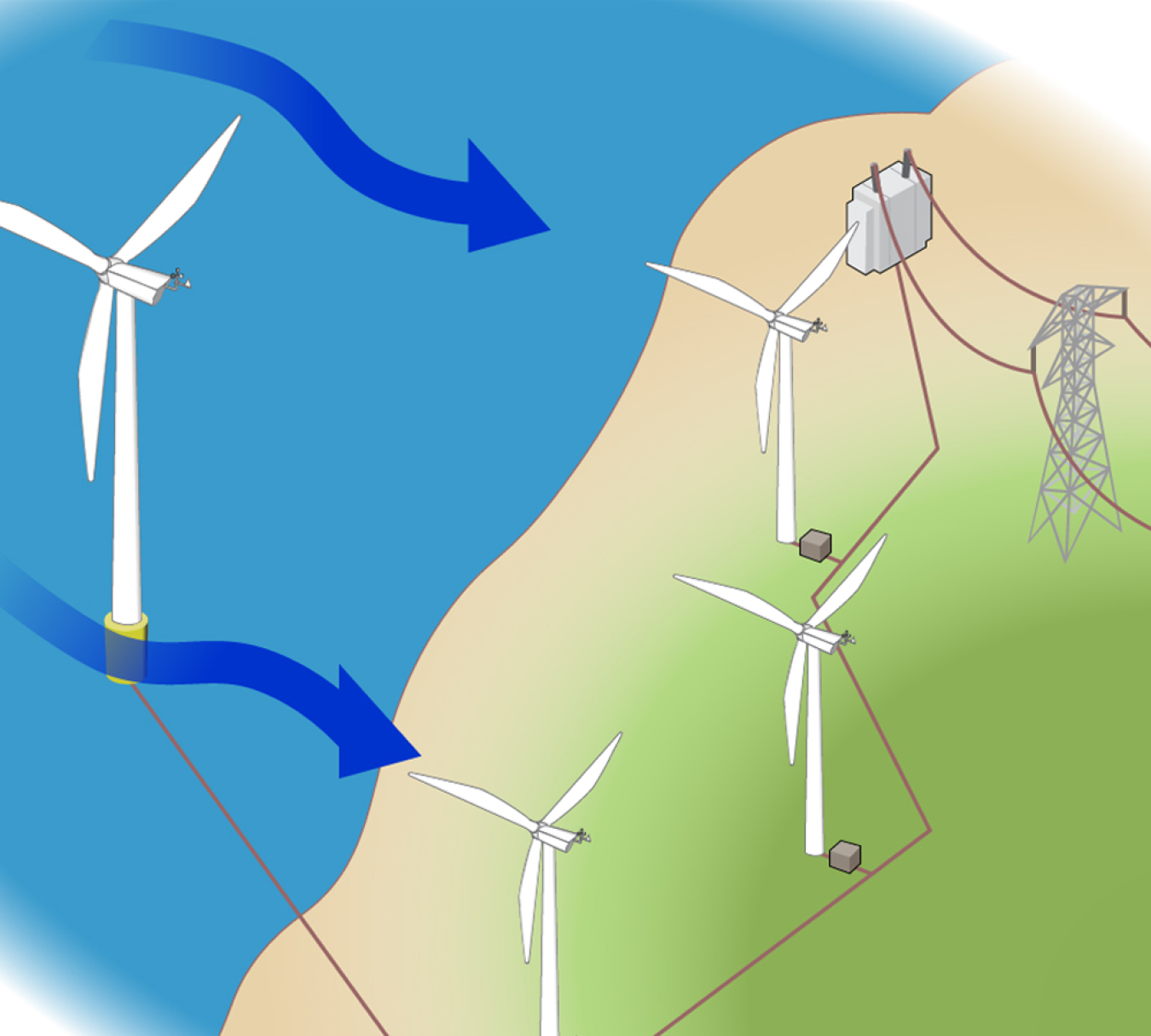
How do wind turbines produce electricity? | HopgoodGanim Lawyers
Each blade is carefully balanced and designed to sweep a vast area. They are truly the unsung heroes, silently accepting the wind's embrace and turning it into movement.
The Hub: Where the Spin Gets Serious
All those incredible blades are securely attached to a central point called the hub. Think of it as the spinning heart of the turbine, where all the individual blade efforts combine.
When the blades spin, they make the hub spin too, in perfect unison. This hub is connected to a big, sturdy shaft, much like the axle on a gigantic bicycle. Everything turns together in one glorious, wind-powered dance.
This transfer of motion from the blades to the shaft is absolutely crucial. It's the first solid step in transforming the invisible power of wind into something we can eventually use.
So far, we've just got spinning parts, a very large, impressive spinner. You could almost say the wind turbine is just really good at turning a really big crank.
Into the Nacelle: The "Brain Box" (but mostly muscles)
Now, this is where most people expect the secret compartment to be. This is the big, usually sleek, box perched atop the tower, called the nacelle. It certainly looks important, doesn't it?
Inside, there are some very clever components indeed. But remember our unpopular opinion: it’s still gloriously straightforward, just a bit more engineered. No black magic required, just good old physics.
It’s a bit like the engine room of a ship – full of machinery that does a specific job, without needing any mystical intervention. Each part plays its role in converting that humble spin.
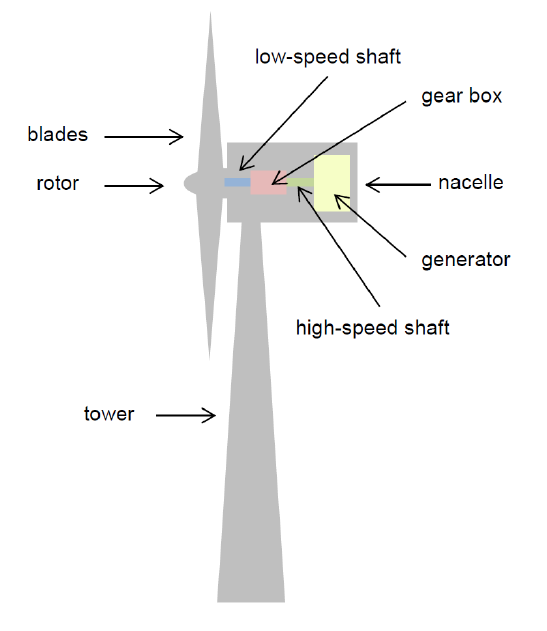
How A Wind Turbine Works : Wind Turbines
The Gearbox: Speeding Things Up (The Clever Bit)
The main shaft from the hub doesn't spin super fast. The blades are huge, so they turn relatively slowly, perhaps just a few rotations per minute. To make electricity efficiently, we need things to spin much faster.
Enter the gearbox, the unsung hero of speed multiplication. This clever bit of engineering takes that slow, powerful spin and dramatically speeds it up, sometimes over a hundred times faster. It’s just like the gears on your bicycle, but on a grand scale.
You pedal slowly, but your wheel spins fast, right? The gearbox does the exact same thing, multiplying the rotations. Suddenly, a slow, majestic spin becomes a rapid, whirring blur, ready for its next big job.
This is where the turbine truly gets down to business, taking raw rotational power and optimizing it. Without the gearbox, the generator would be a very lazy and inefficient worker.
The Generator: The Real Star (and it's not even trying that hard)
Now we arrive at the absolute crux of the matter: the generator. This is where the magic (or, again, the delightful simplicity) truly happens. And it's not some alien, futuristic technology.
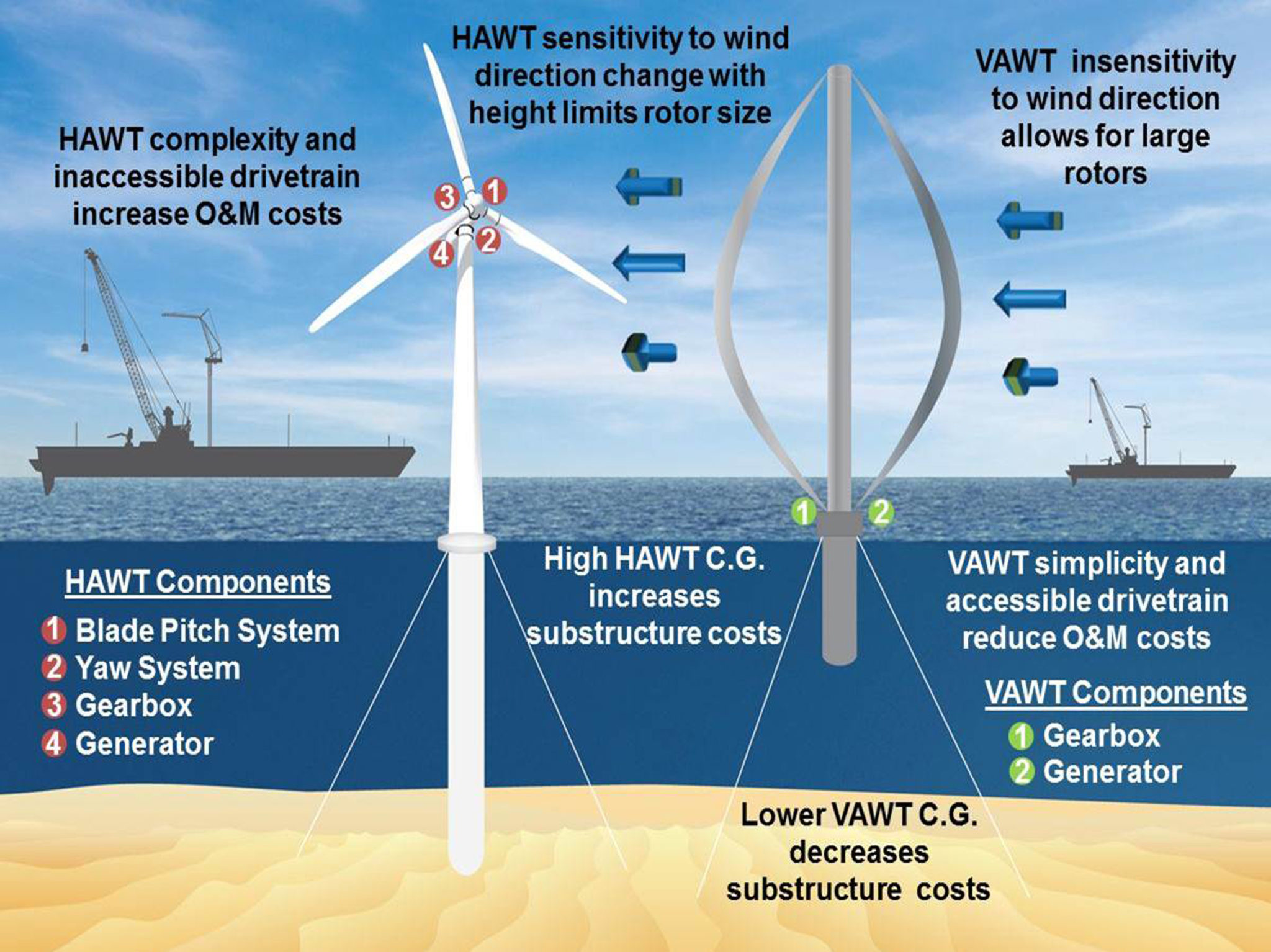
A generator is essentially a clever, elegant arrangement of wires and magnets. The fundamental principle is this: when you spin a magnet near a coil of wire (or vice-versa), it creates an electric current. That’s it! Really!
It’s a discovery that dates back nearly two centuries, a fundamental law of physics. The faster the magnets spin past the wires, the more electricity is generated. It’s wonderfully proportional.
Think about rubbing your feet on a carpet and then touching a doorknob. Zap! You created a tiny bit of static electricity. A generator does a similar thing, just on a much grander, continuous, and controlled scale. It's truly a marvel of straightforward engineering.
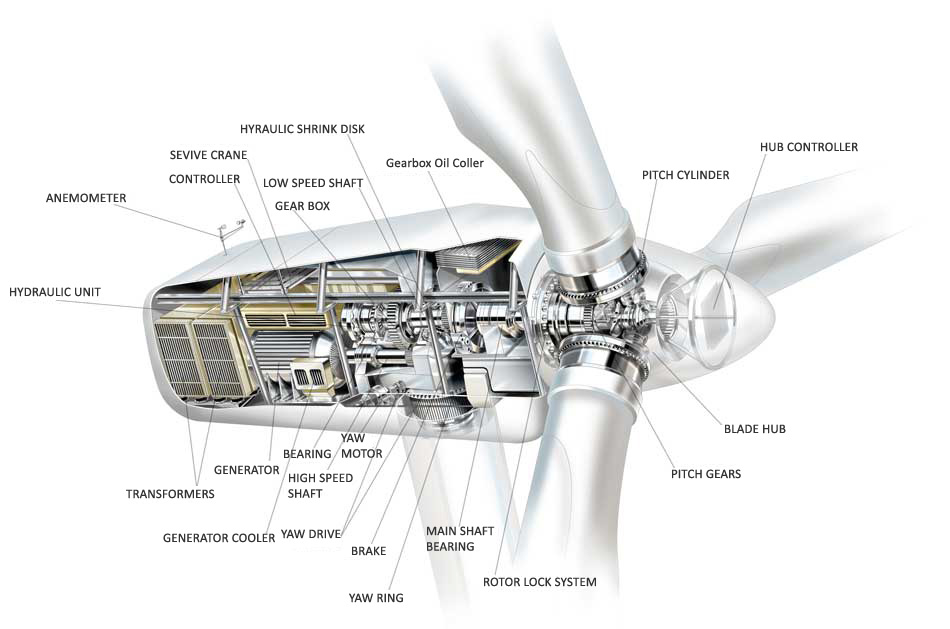
How do Wind Turbines work? – Turbines Info
So, the fast-spinning shaft from the gearbox turns the internal parts of the generator – usually the magnets or the coils. Magnets whirl past coils of wire. And poof! Electricity is generated, ready to be sent on its way. It's literally that fundamental, no smoke and mirrors.
Other Bits and Bobs (The Less Exciting Crew)
Of course, a modern wind turbine isn't just a collection of dumb spinning parts. It has a highly sophisticated computer system. This brain tells the turbine which way to face into the wind, how fast to spin, and when to stop if the wind is too strong.
There are also essential sensors, like an anemometer (a fancy word for a wind speed gauge) and a wind vane (which measures wind direction). These are like the turbine's eyes and ears, making sure it’s always working optimally and safely.
But these smart assistants are just that: assistants. They optimize operations. The heavy lifting, the actual conversion of motion into electrical energy, is still down to that magnificent, simple spinning magnet and wire in the generator.
The Tower: The Unsung Hero
Let's not forget the enormous tower! It's not just there for show, though they do look rather impressive. Its primary job is to lift all this brilliant machinery high into the sky, far above any ground-level turbulence.
Why high? Because wind speeds are generally stronger and much more consistent the higher you go. So, the taller the tower, the more consistent and powerful wind it can catch, and therefore, the more electricity it can make.
It’s the silent guardian, firmly anchored deep into the ground, making sure the whole operation stays upright and productive against all sorts of weather, from gentle breezes to powerful gales.
Without its steadfast support, none of this energy generation would be possible. It's truly the backbone of the entire operation, allowing the blades to reach for the sky.
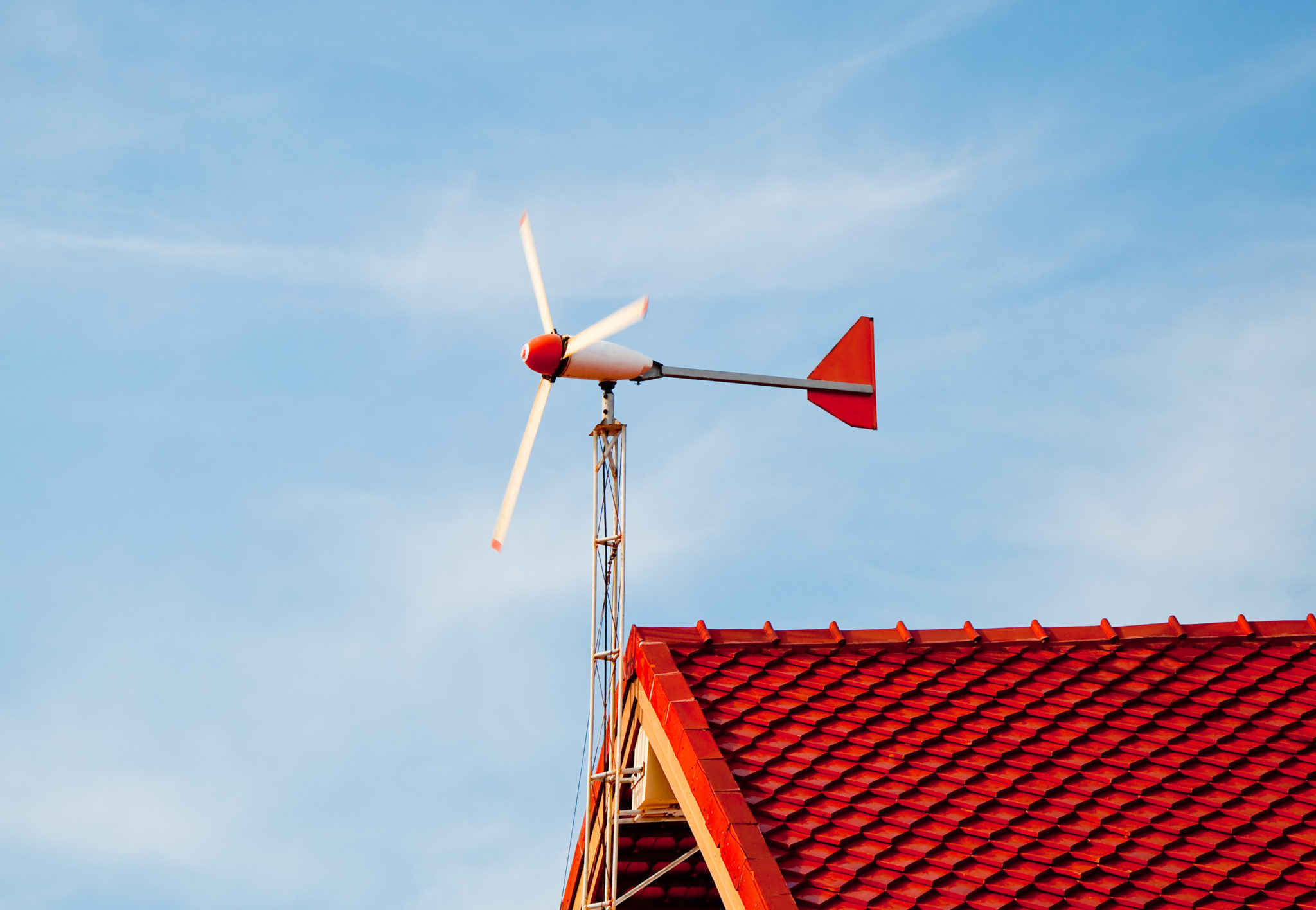
How Do Wind Turbines Work? | Energy Tracker Asia
Connecting to Our Homes: The Final Hop
Once the electricity is generated in the nacelle, it travels efficiently down the tower through thick, insulated cables. These cables carry the fresh power to a transformer station at the base of the turbine.
The transformer then performs another essential task: it "steps up" the voltage. This makes the electricity suitable for a long journey across vast distances without losing too much energy.
From there, it joins the vast electrical grid – a complex network of power lines and substations. This grid is the superhighway that carries the wind's gift, flowing right to light up our homes and power our devices.
So, the next time you flip a light switch, take a moment to appreciate that incredible journey! From a gust of wind, to a spinning blade, through some clever gears and a simple generator, right into your living room. It's quite the adventure, wouldn't you say?
The Unpopular Opinion, Reaffirmed: It’s Just Spinning Stuff!
See? No magic spells. No tiny, overworked gnomes. Just pure, elegant physics in action, beautifully orchestrated. Wind turns blades, blades turn a shaft, gears speed up the shaft, and the fast-spinning shaft turns a generator.
A generator, remember, is just magnets and wires spinning past each other, creating an electric field. It’s the same basic principle as the tiny dynamo on a bicycle lamp, which lights up your path with a simple spin of the wheel. Just scaled up, monumentally!
It's almost disappointingly simple, isn't it? But that's precisely the beauty and genius of it. We've taken a fundamental scientific principle, discovered centuries ago, and applied it on an epic scale to power our modern world sustainably.
So, next time you see a wind turbine, you can smile knowingly. You're now in on the secret. It’s not complicated; it’s just wonderfully, beautifully, magnificently simple. And maybe, just maybe, you'll agree with my "unpopular" opinion. It's truly a testament to clever, yet straightforward, human ingenuity.