How Do We Use Nuclear Energy
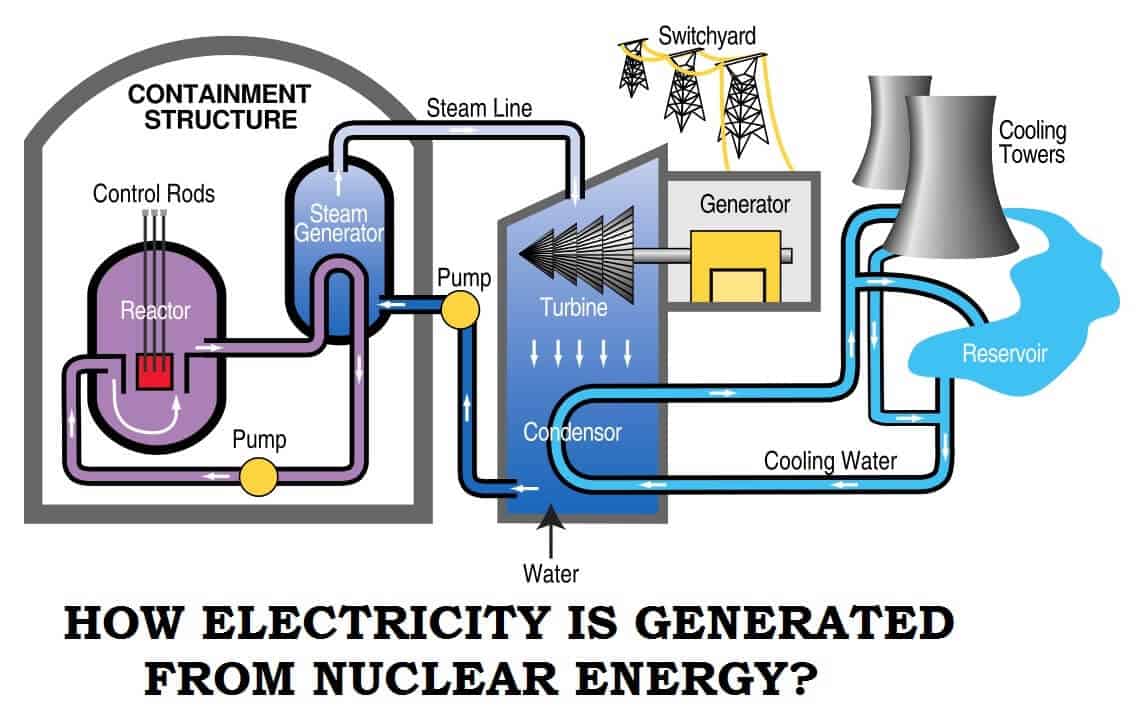
Ever hear the word "nuclear" and immediately think of something dramatic from a sci-fi movie? It's totally understandable! For many, "nuclear" conjures up images of power plants with giant cooling towers, or perhaps even something a bit more intense. But here's a fascinating secret: nuclear energy is woven into the fabric of our modern world in countless incredibly helpful and surprisingly everyday ways. Far from being just a topic for serious scientists, understanding nuclear energy is like getting a peek behind the curtain of some of our most advanced technologies and future possibilities. It’s pretty fun to discover just how much it impacts us!
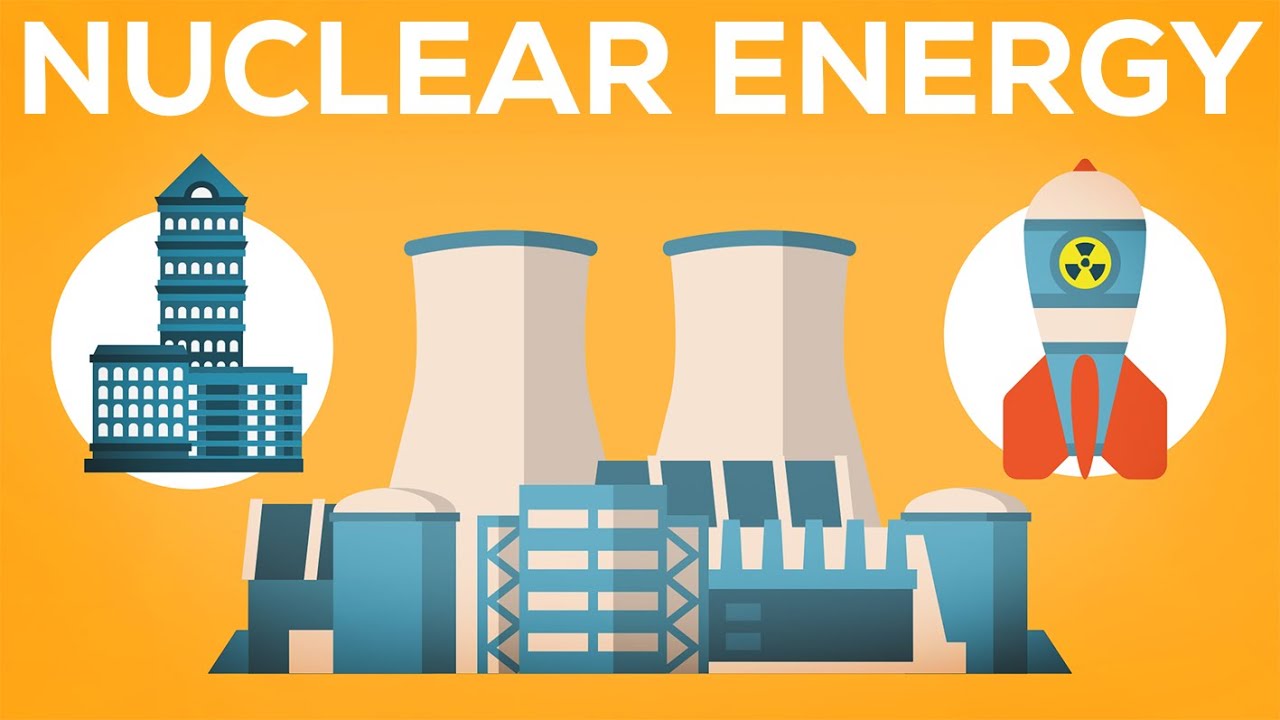
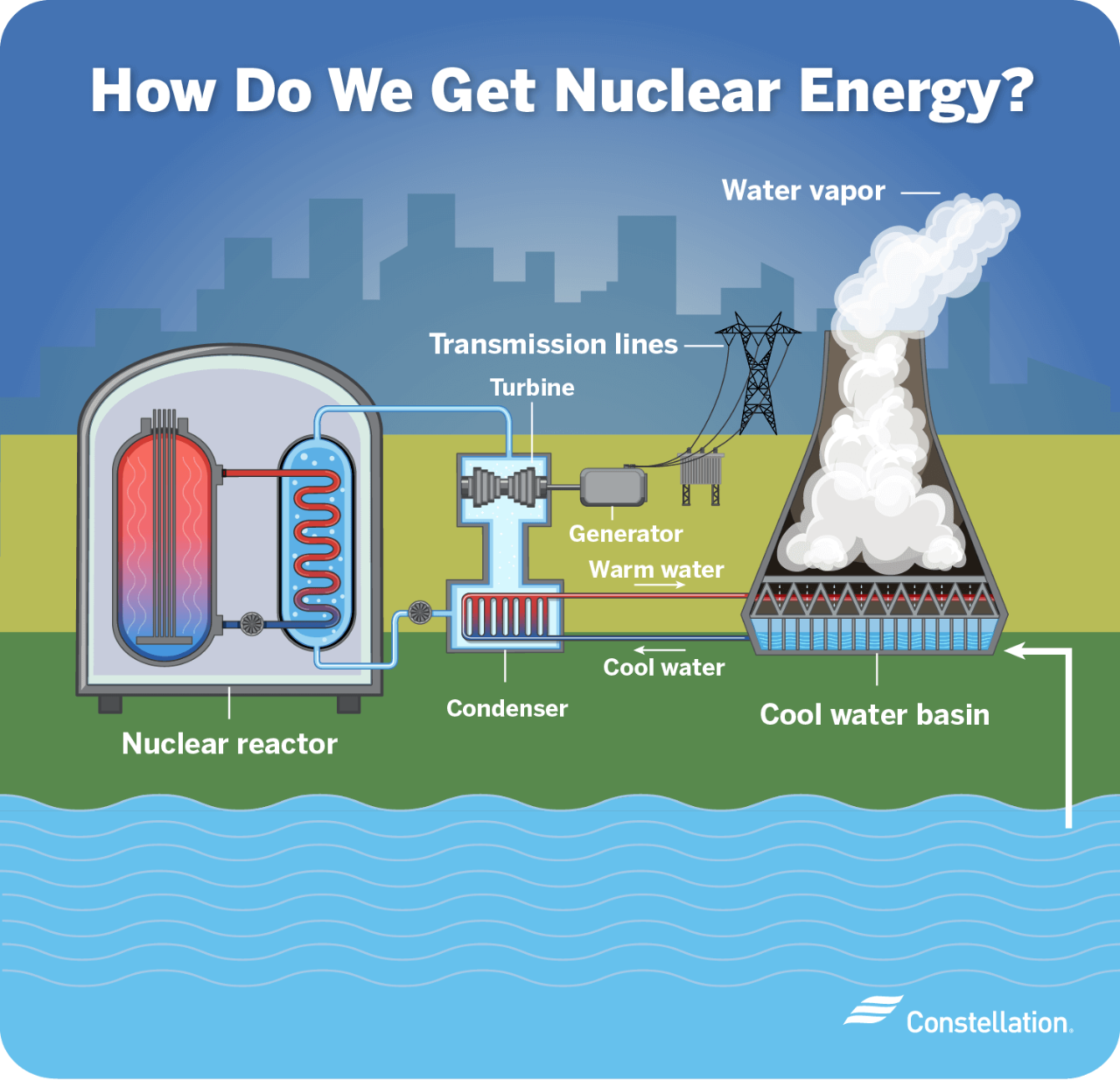
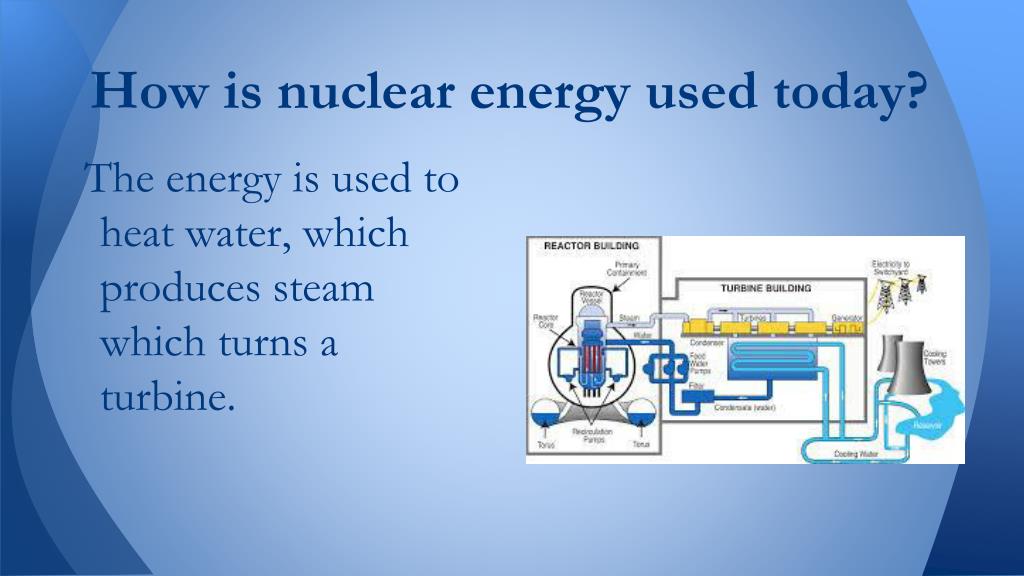
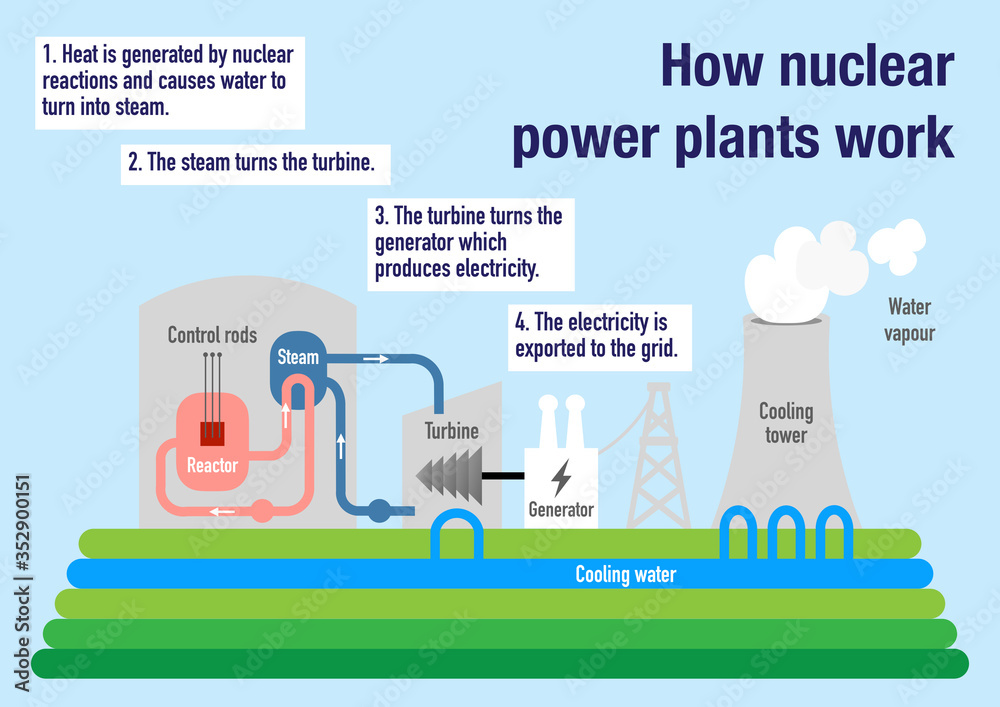
At its core, nuclear energy is all about harnessing the incredible power stored within the nucleus of an atom. The main purpose we've figured out how to use this for is to generate vast amounts of electricity. Think about it: a relatively small amount of fuel, like uranium, can produce an enormous amount of energy, far more than burning coal or gas. This makes nuclear power plants incredibly efficient and reliable, providing a steady "baseload" of electricity that doesn't depend on whether the sun is shining or the wind is blowing. A huge benefit? During operation, nuclear power plants produce virtually no greenhouse gas emissions, making them a crucial tool in the fight against climate change and a pathway to cleaner air.
But nuclear energy isn't just about keeping our lights on. Its applications extend into so many aspects of our daily lives and educational pursuits. In medicine, for instance, radioactive isotopes are absolute marvels. They're used in diagnostic imaging like PET scans to help doctors see what’s going on inside our bodies, and in radiation therapy to precisely target and treat cancer cells, saving countless lives. You might also find nuclear technology sterilizing medical equipment or even certain foods to make them safer and last longer! Industrially, it helps us check the integrity of materials without damaging them, or measure the thickness of paper in a factory. And for our intrepid space explorers, tiny nuclear power sources called RTGs keep spacecraft like the Mars rovers powered for decades in the cold, dark reaches of space.
Must Read
In education and research, nuclear energy is a vital field of study. Universities often have small research reactors where students learn about physics, engineering, and materials science. It’s a place where new medical isotopes are developed, and where scientists explore the frontiers of energy production. Studying nuclear science opens doors to careers in everything from power generation and environmental protection to medicine and space exploration.
Curious to explore more? You absolutely can! A great starting point is your local science museum or planetarium; many have exhibits explaining energy generation, including nuclear power. Dive into documentaries or reputable online resources (like those from the World Nuclear Association or government energy departments) that explain nuclear physics in an accessible way. You might even find out that a portion of the electricity powering your own home comes from a nuclear plant nearby! Keep an open mind, ask questions, and you'll find that nuclear energy is a truly fascinating and often misunderstood force that powers much of our world.