How Do We Use Nuclear Energy In Everyday Life
Let's be honest, when you hear "nuclear energy," your first thought probably isn't crafting a quirky art project or learning a new hobby. But stick with me! We're not talking about splitting atoms in your garage (please, don't do that!). Instead, we're going to explore the fascinating, albeit indirect, ways nuclear energy powers aspects of our everyday lives, and how understanding this can spark creativity and learning in unexpected ways. Think of it as unlocking a superpower: the ability to appreciate the unseen forces shaping our world.
So, how can this relate to artists, hobbyists, and casual learners? The connection is surprisingly profound. Nuclear energy, through its use in electricity generation, powers the tools and resources we rely on for creative pursuits. Think about it: your computer for digital art, the lighting in your studio, the machinery that creates the materials for your sculptures – all potentially touched by nuclear power.
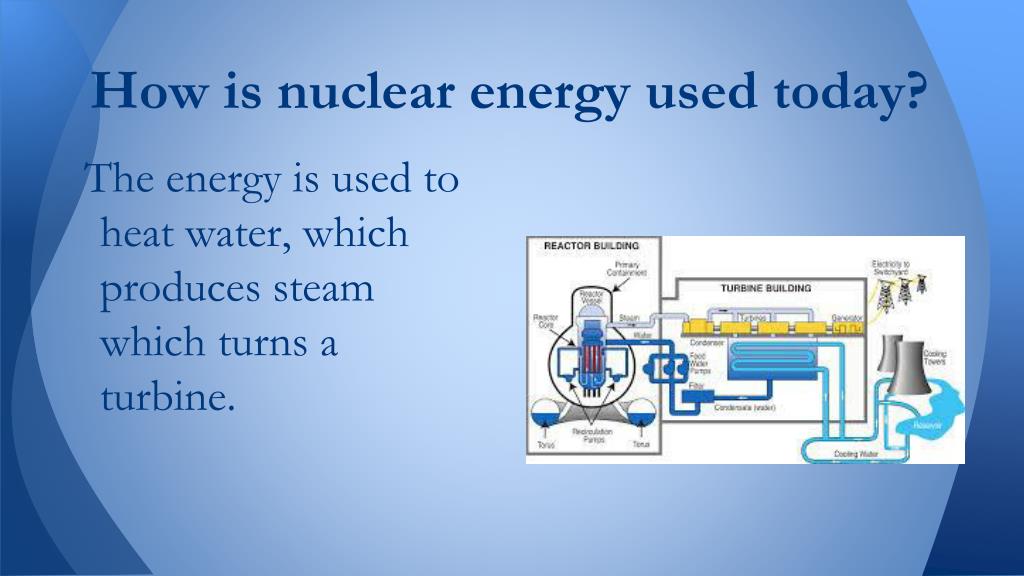
For artists, understanding the impact of energy sources, including nuclear, can inform your art and message. Consider a sculptor using recycled materials, aware that the recycling plant itself is powered, in part, by nuclear energy. This awareness could inspire pieces focusing on sustainability and the interconnectedness of energy production and consumption. Imagine a digital artist creating vibrant, abstract pieces, knowing that the very electrons powering their screen are generated by a complex system involving nuclear fission.
Must Read
Hobbyists can also benefit. Are you a model train enthusiast? Nuclear-powered electricity keeps those locomotives chugging along. A woodworker? The power tools that shape your creations likely draw electricity from a grid that includes nuclear power plants. Understanding the source of that power can lead to more conscious crafting and a deeper appreciation for the resources involved.
For casual learners, simply understanding the basics of nuclear energy can unlock a whole new level of appreciation for the world around you. Learn about the science behind nuclear fission, the safety measures in place at nuclear power plants, and the ongoing research into advanced nuclear technologies. Resources like the World Nuclear Association (www.world-nuclear.org) offer accessible information for beginners.

Now, about trying this at home – remember, we're NOT building reactors! Instead, try these:
- Research: Dedicate an hour to learning about a specific aspect of nuclear energy.
- Creative Project: Create a piece of art, write a poem, or even design a board game inspired by what you learn.
- Reduce Your Footprint: Learn about energy conservation and implement small changes at home to reduce your energy consumption.
Ultimately, exploring the connection between nuclear energy and our everyday lives is enjoyable because it broadens our perspective. It's about recognizing the invisible infrastructure that supports our creativity and passions. It's about becoming a more informed and engaged citizen, appreciating the complexities and challenges of meeting our energy needs while striving for a sustainable future. By understanding the role of nuclear energy, we can spark our creativity, inform our choices, and connect with the world around us in new and meaningful ways. So, go forth and explore the nuclear-powered world – responsibly, of course!