How Do We Reduce Water Pollution
Alright, let's chat about water pollution. It sounds like a big, scary, "someone else's problem" kind of thing, doesn't it? We picture giant factories spewing goo. We imagine oil slicks bigger than Rhode Island. And sure, those are absolutely part of the messy picture. But here's my truly wild, perhaps unpopular take: a huge chunk of water pollution comes from… us. Yes, you and me. Every single day. And the solutions? They’re often so simple, they're almost boring.
The Great Drain Escape: Our Homes
Think about your daily routine. You brush your teeth. You wash your hair. You clean your kitchen. Every sudsy, bubbly, chemically-scented drop goes somewhere. Down the drain! And where do drains usually lead? To treatment plants, hopefully. But those plants aren't magic. They can’t just make everything disappear with a snap. All those strong cleaning products? The ones that make your toilet gleam or your shower sparkle? Many contain chemicals that are tough on germs, and even tougher on our waterways once they leave the treatment plant.
"My controversial opinion? Maybe we don’t need a fancy new tech solution. Maybe we just need to stop pouring questionable concoctions down our pipes!"
Next time you're reaching for that super-strong cleaner, pause. Could a gentler, eco-friendly option do the trick? Or even just good old vinegar and baking soda? It might sound quaint, but every swap helps keep nasty stuff out of our streams and oceans. It's like sending our water a love letter, one less chemical at a time.
Must Read
The Yard Yard-Sale: What Escapes Our Gardens
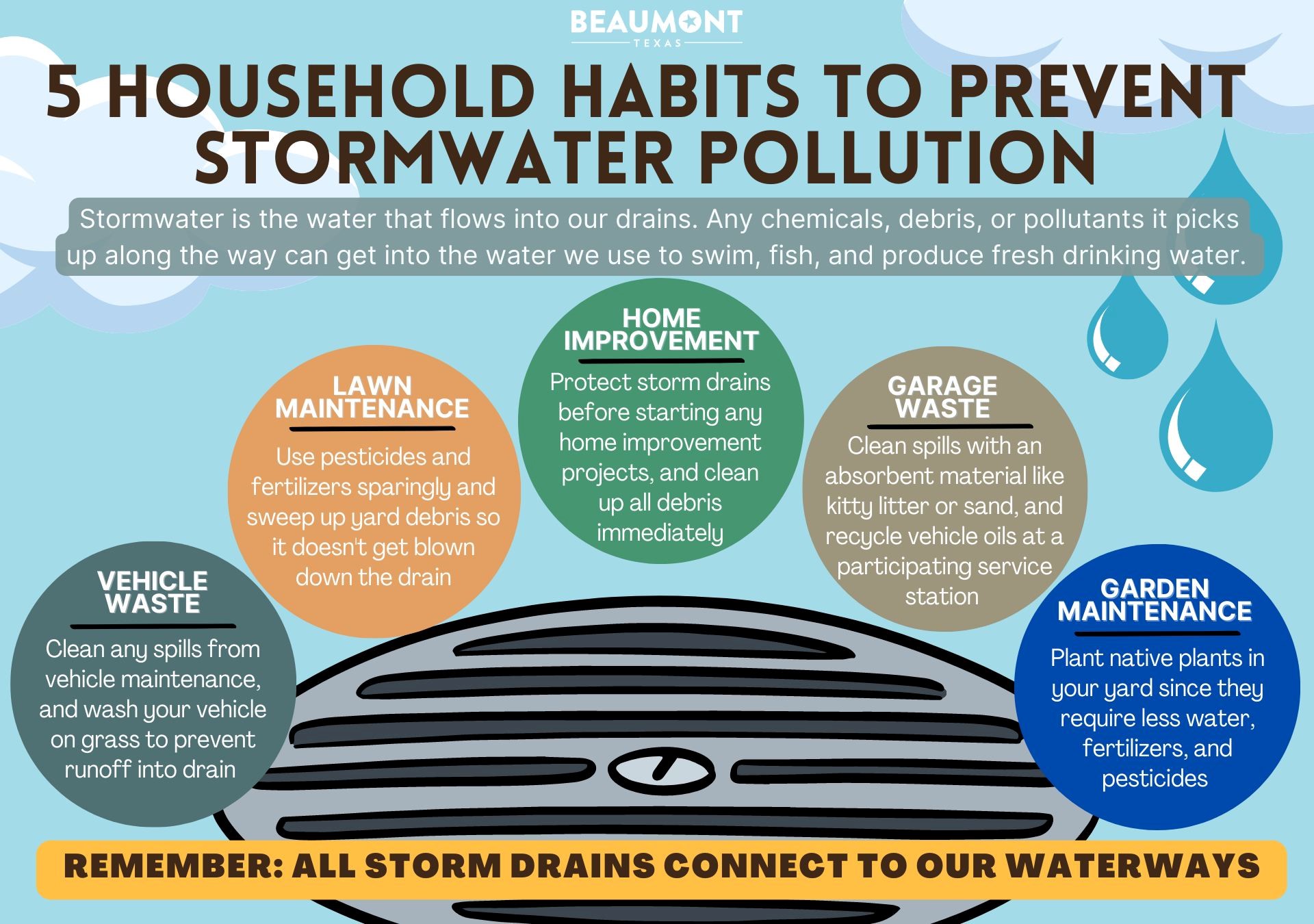
Ah, the lush, green lawn. The vibrant flowerbeds. We love our outdoor spaces to look perfect, right? So we fertilize. We spray for pests. We battle weeds with relentless chemical warfare. But what happens when it rains? Or when we water a little too enthusiastically? All those chemicals don't just stay put. Oh no. They hitch a ride on the rainwater, flowing across driveways, into storm drains, and eventually, right into our local bodies of water.
This runoff creates a massive problem called nutrient pollution. It makes algae go wild, sucking up all the oxygen and creating "dead zones" where fish and other aquatic life can't survive.

"Here's another bombshell: maybe your perfectly manicured lawn is a secret agent of water destruction."
Consider going organic in your garden. Embrace a few dandelions – they're charming! And please, for the love of all things wet and wonderful, pick up your pet’s poop. That little pile of joy also contributes to bacterial pollution when rain washes it away. Seriously, scoop the poop. It's a tiny act with a huge ripple effect.
The Tiny Invaders: Our Laundry’s Secret Mission
Ever heard of microplastics? These aren’t big chunks of plastic bottles. These are tiny, tiny pieces, often microscopic. And a huge source? Our clothes! Especially synthetic fabrics like fleece, nylon, and polyester. Every time you wash that comfy fleece jacket or those stretchy yoga pants, thousands of microscopic plastic fibers shed off. Where do they go? Down the drain, of course!
These tiny fibers are too small for most wastewater treatment plants to filter out. So, they end up in rivers, lakes, and oceans. Fish eat them. Shellfish filter them. And then, well, we eat the fish. It’s a bit of a grim cycle, isn’t it?
"The inconvenient truth: your favorite comfy sweater might be silently polluting the planet with every wash cycle."
A simple step? Wash synthetic clothes less often. Use a laundry bag designed to catch microfibers. And when possible, choose natural fabrics like cotton, linen, or wool.

Our Wheels: The Oily Trail
We love our cars. They get us places. But they also leak. Oil, antifreeze, brake fluid – these things drip onto our streets and driveways. When it rains, guess what? Those fluids get washed into storm drains, just like the garden chemicals. And let's not forget car washing. Unless you're using a commercial car wash (which usually recycles water and treats runoff), all that soapy, grimy water from your driveway wash is heading straight for a storm drain, carrying detergents and road pollutants with it.
Keep your car well-maintained to prevent leaks. And if you’re washing your car at home, try to do it on a grassy area where the water can soak into the ground instead of running into the street.
The Unpopular, Yet Simple, Conclusion
So, there it is. My ridiculously simple, perhaps even boring, "unpopular opinion" on how to reduce water pollution. It's not always about grand schemes or expensive technologies. Often, it's about a million tiny decisions we make every day. It's about being a little more mindful of what goes down the drain, what we spray on our yards, and even what we wear. Each small change, when multiplied by millions of people, adds up to a tidal wave of positive impact. Let's make some waves, shall we?