How Do We Prepare For Floods

We all love that feeling of being ready, don't we? Whether it’s packing the perfect picnic basket for a sunny day out or having all your ducks in a row for a big presentation, there’s a certain calm that comes with being prepared. It’s that same proactive spirit that helps us face something less sunny, like the potential for a flood. While no one enjoys the thought of water creeping where it shouldn't, there’s immense satisfaction and peace of mind in knowing you’ve done everything you can to protect your home, your loved ones, and your sanity when the skies open up.
Preparing for floods isn't about doom and gloom; it’s about empowerment. The core benefit is simple: it significantly reduces risk and anxiety. By taking steps beforehand, you’re not just saving your possessions; you’re potentially saving lives and certainly saving yourself a world of stress during and after a flood. It allows you to maintain control in an uncontrollable situation, ensuring your family stays safe, your pets are accounted for, and your most cherished belongings have a fighting chance. Furthermore, a well-prepared community is a resilient community, capable of bouncing back faster and stronger together.
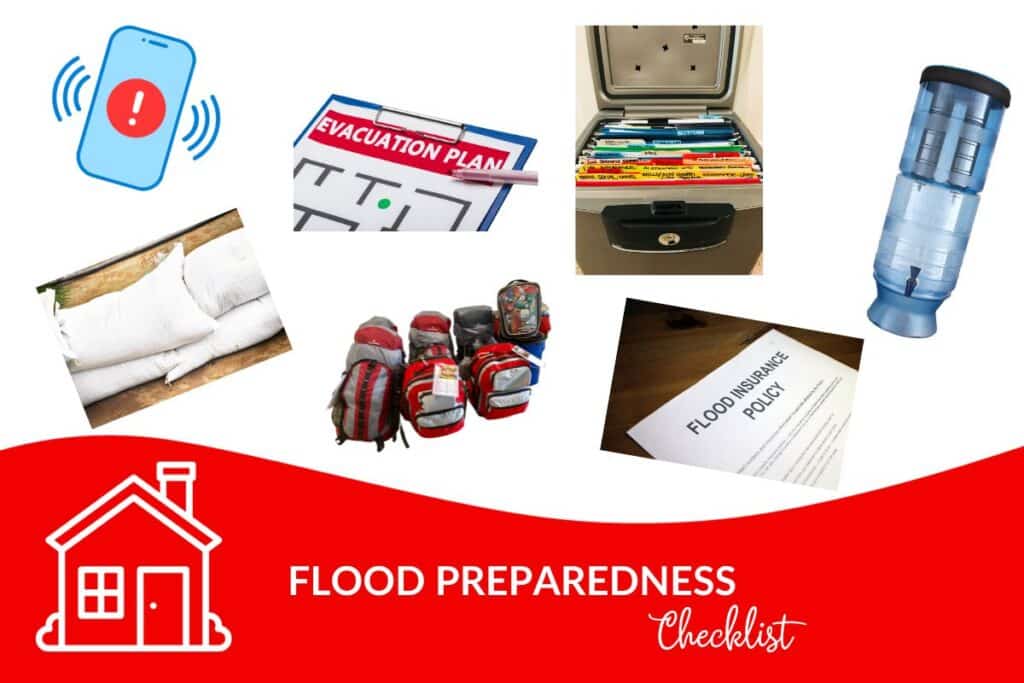
So, how does this preparation typically manifest? Think of it as creating a personalized shield against the water. Common examples include assembling a robust emergency kit, often dubbed a “go-bag” or “bug-out bag,” filled with essentials like water, non-perishable food, first-aid supplies, and important documents. Another popular tactic is securing your property by elevating appliances, moving valuables to higher ground, or even installing backflow valves. Many also develop a clear family evacuation plan, identifying routes and meeting points, and discussing communication strategies should cellular networks fail. And, of course, securing appropriate flood insurance is a critical, though often overlooked, layer of protection.
Must Read
Want to make flood preparation less of a chore and more of an empowering routine? Here are a few practical tips to "enjoy" it more effectively. First, make it a family project. Involve everyone in packing the emergency kit or mapping out evacuation routes – kids can even decorate their own emergency snack bags! Second, start small and build up. Don't feel you need to overhaul everything in one go. Maybe this month you check your insurance, next month you assemble a basic kit. Third, leverage technology; numerous apps can provide real-time weather alerts and emergency instructions. Fourth, connect with your neighbors; a community approach to preparedness, perhaps sharing resources or creating a neighborhood watch, makes everyone stronger. Finally, remember to review and update your plans annually, especially as family circumstances change or technology evolves. Being prepared isn't just about weathering the storm; it's about finding calm in the face of nature's power, knowing you've done your best.