How Do We Prepare For A Flood

Okay, so picture this: it was one of those ridiculously humid summer evenings, the kind where the air feels like a wet blanket. My neighbour, bless her heart, had left her basement window ajar because, hey, who needs AC when you have a natural breeze, right? Well, Mother Nature had other plans. Around 2 AM, the heavens absolutely opened up. I’m talking biblical levels of rain. By morning, her pristine, recently renovated basement (complete with a fancy new rug, mind you) was sporting a rather unfortunate, murky indoor swimming pool vibe.
She was heartbroken, of course. And the cleanup? Let's just say it involved industrial fans, a whole lot of bleach, and a deep, existential crisis about the futility of nice things. It got me thinking, though. If a regular, albeit torrential, rainstorm can do that much damage, what about an actual, honest-to-goodness flood? You know, the kind that makes the news and turns streets into rivers. The kind where your lovely suburban home starts to look less like a sanctuary and more like a very sad houseboat.
And that, my friends, is why we need to chat about preparing for a flood. Because while my neighbour's situation was a bit of a soggy wake-up call, it pales in comparison to what a real flood can do. It’s easy to think, "Oh, that won't happen here," or "I'll deal with it when it comes." But trust me, when the water starts rising, "dealing with it" becomes a whole lot harder if you haven't laid some groundwork. We’re talking about keeping yourself safe, protecting your sanity, and maybe, just maybe, saving your most treasured photo albums from becoming soggy relics.
Must Read
Before the Water Rises: The Nitty-Gritty Prep
This is where you earn your "responsible adult" badge. Seriously, this stuff is crucial. First off, do you even know if you're in a flood zone? It's not just for coastal towns anymore; urban flooding is a real thing. A quick Google search for local flood maps can be super enlightening. Knowledge is power, folks!
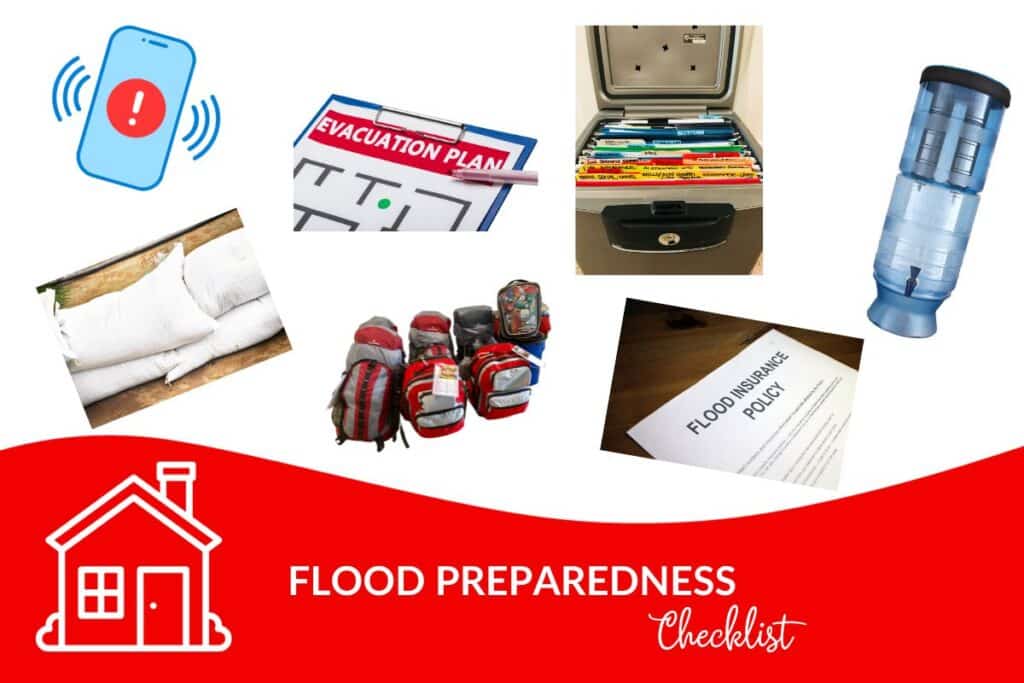
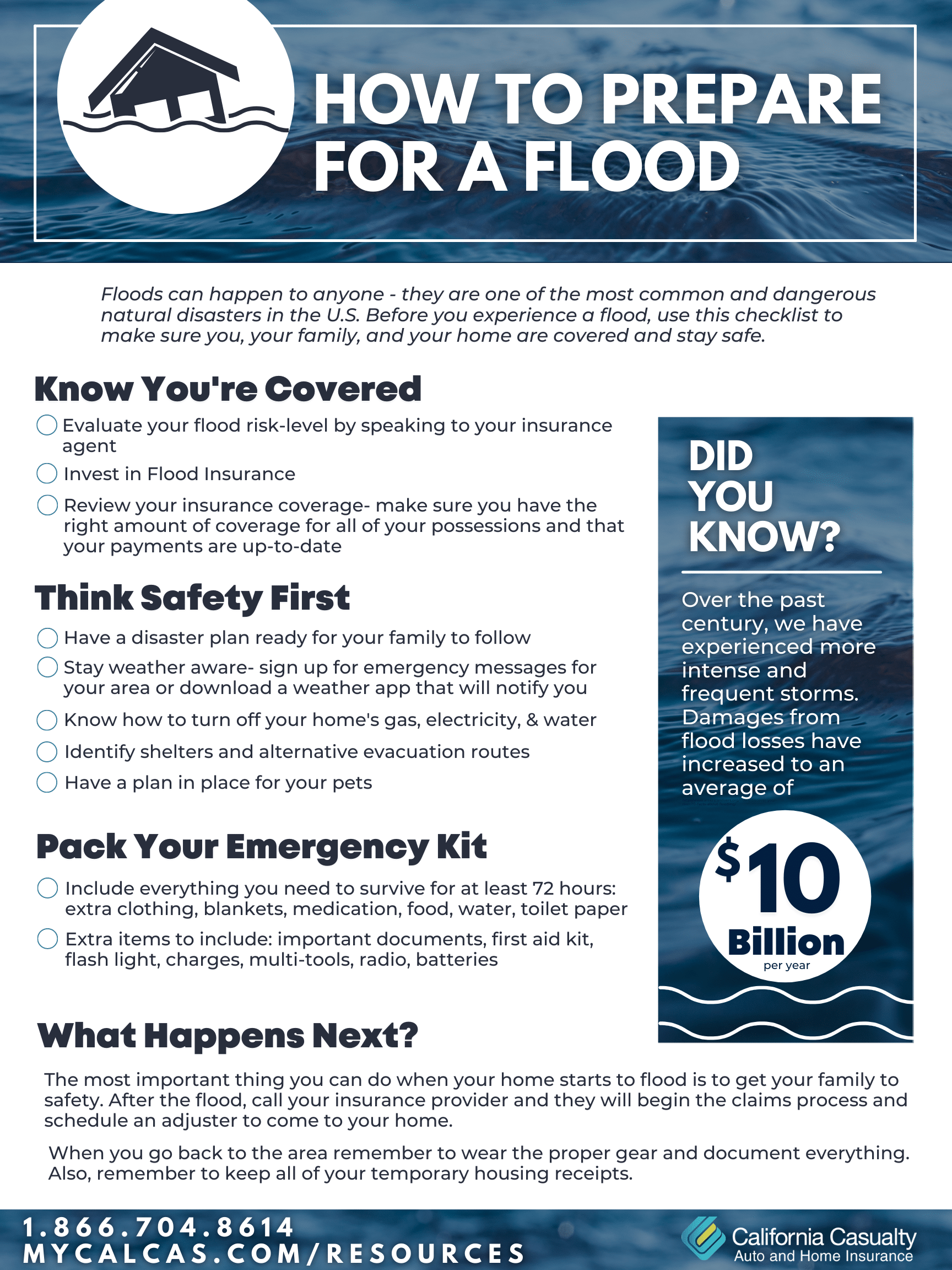
Next up: your emergency kit. This isn't just for floods, but it's especially vital when the power goes out and roads are impassable. Think non-perishable food, plenty of bottled water (at least a gallon per person per day for several days), a battery-powered or hand-crank radio, flashlights, extra batteries, a first-aid kit, a whistle, and copies of important documents (like insurance policies, IDs, birth certificates) stored in a waterproof bag. You know, the kind of stuff you think you'll get around to... eventually. Now's the time!
Then there's your home itself. If you're in a known risk area, consider elevating appliances like your water heater and furnace. Clear out your gutters and drains regularly – a simple clogged drain can exacerbate issues. And for goodness sake, if you don't have flood insurance, look into it! Standard homeowner's insurance rarely covers flood damage. It’s one of those things you never think about until it’s too late, and then you’re kicking yourself (or something soggier).
Finally, have an evacuation plan. Know your routes, designate a meeting spot, and make sure everyone in the family knows what to do. What if cell service is out? How will you contact each other? Think these things through before the panic sets in.
When the Waters Rage: What to Do During
Okay, the alerts are sounding, the rain isn't stopping, and the water is creeping up. First rule: stay informed. Listen to local authorities via that fancy emergency radio you packed. They'll give you the most accurate and up-to-date information.
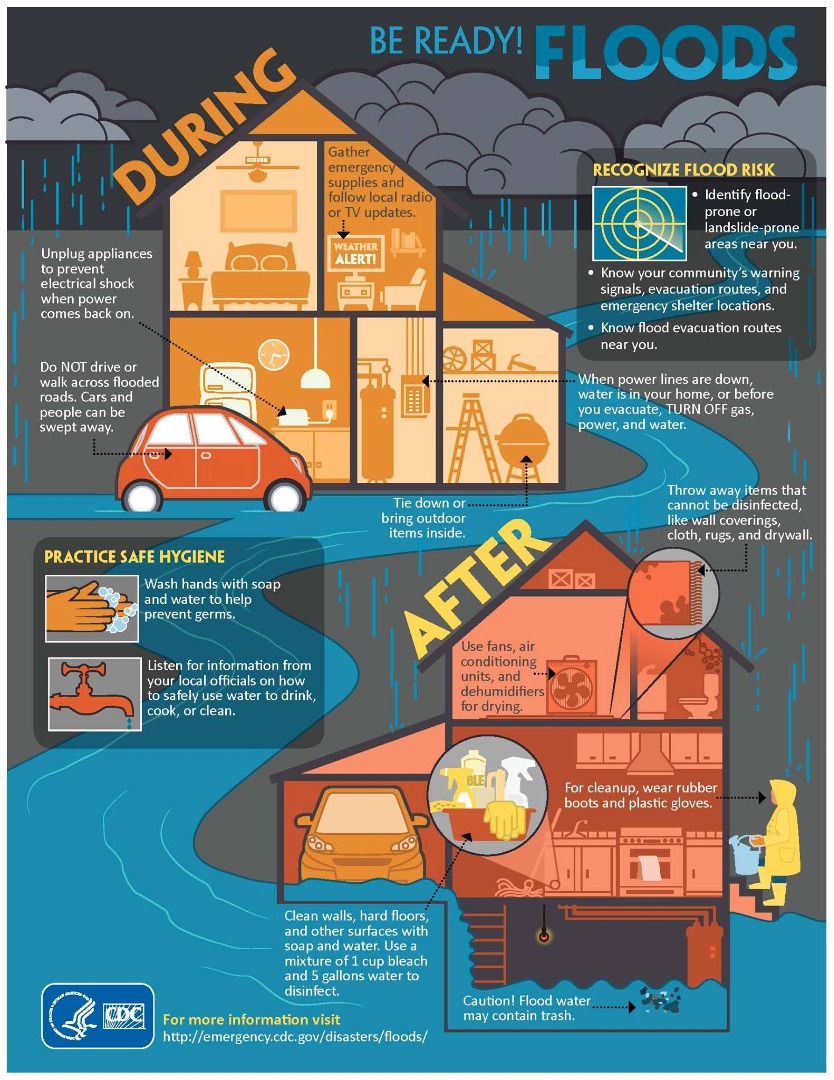
Second, and this is a big one: never, ever, EVER drive or walk through floodwaters. Seriously. It takes just six inches of moving water to knock an adult off their feet, and a mere two feet can sweep a car away. You can't see what's underneath – downed power lines, sharp debris, open manholes. It's simply not worth the risk, no matter how tempting that shortcut looks.
If you're told to evacuate, do it immediately. Don't second-guess it. Turn off your utilities (electricity, gas, water) if advised to do so, and grab your emergency kit. Your stuff can be replaced; you, your family, and your pets cannot.

After the Deluge: The Cleanup & Recovery
The water has receded, and you're finally allowed back home. Don't just barge in. Safety first. Watch out for structural damage, downed power lines, and gas leaks. Don't turn on utilities until they've been checked by a professional. And be prepared for things to be... well, pretty gross. Floodwater is rarely clean water.
Document everything for your insurance company – take photos and videos of all damage before you start cleaning up. This evidence is gold for your claim. And speaking of cleaning, act fast to prevent mold growth. It’s a sneaky villain that loves damp, dark places, and once it takes hold, it’s a nightmare to get rid of.
Preparing for a flood might seem like a daunting task, a bit like prepping for the apocalypse, but it’s really about being proactive rather than reactive. It’s about empowering yourself and your family so that when nature inevitably decides to throw a tantrum, you’re not caught completely off guard. You’ll be that savvy neighbour, the one who actually thought ahead. And believe me, that feels a whole lot better than staring at a muddy, ruined basement, wishing you had. Stay safe out there, folks!