How Do We Obtain Natural Gas

Hey there! Ever flick on your stove and see that instant blue flame? Or snuggle into a warm house on a chilly day? Ever stop to wonder, even for a second, where does all that natural gas actually come from? It’s not magic, though sometimes it feels like it. It’s a pretty incredible journey, starting deep underground. And honestly, it’s just plain fun to talk about!
Picture this: way, way below your feet. We’re talking thousands of feet deep. That’s where natural gas likes to hang out. It’s like Earth’s secret, prehistoric basement party, and we're just trying to get an invite. This isn't just any old gas, though. It’s mostly methane, a super simple molecule with a surprisingly complex backstory.
So, how did it get there? Oh, this is the cool part! We're talking millions of years ago. Ancient swamps, tiny plants, sea creatures – they lived, they died, they sank to the bottom. Then, layers and layers of mud, sand, and rock piled up on top. Imagine squishing a giant sandwich for eons! The immense pressure and heat, combined with a whole lot of time, transformed all that organic goo. Presto! You get oil, coal, and our star for today: natural gas.
Must Read
Yep, that flame on your stove could literally be fueled by the remains of creatures that lived when dinosaurs roamed the Earth! Talk about a blast from the past, right? It's like finding a giant, ancient gas bubble trapped in a rock sponge, waiting for us to discover it.
The Great Gas Hunt: Finding the Invisible
So, how do we even find this invisible, buried treasure? We don’t just randomly start digging holes and hope for the best! That’s where the real rockstar detectives come in: geologists! They’re like super-sleuths, but their clues are hidden miles beneath the surface. They use special techniques, like bouncing sound waves into the Earth. Think of it as giving the planet an ultrasound! These sound waves reflect off different rock layers, creating a kind of underground map.

They look for specific types of rock formations – often porous rock that acts like a sponge, trapping the gas. It's like finding a specific type of super-dense, natural storage unit deep inside a giant, complicated puzzle. Once they've pinpointed a promising spot, it's time for the next big step: drilling!
Getting It Out: Drilling, Fracking, and That Stinky Smell!
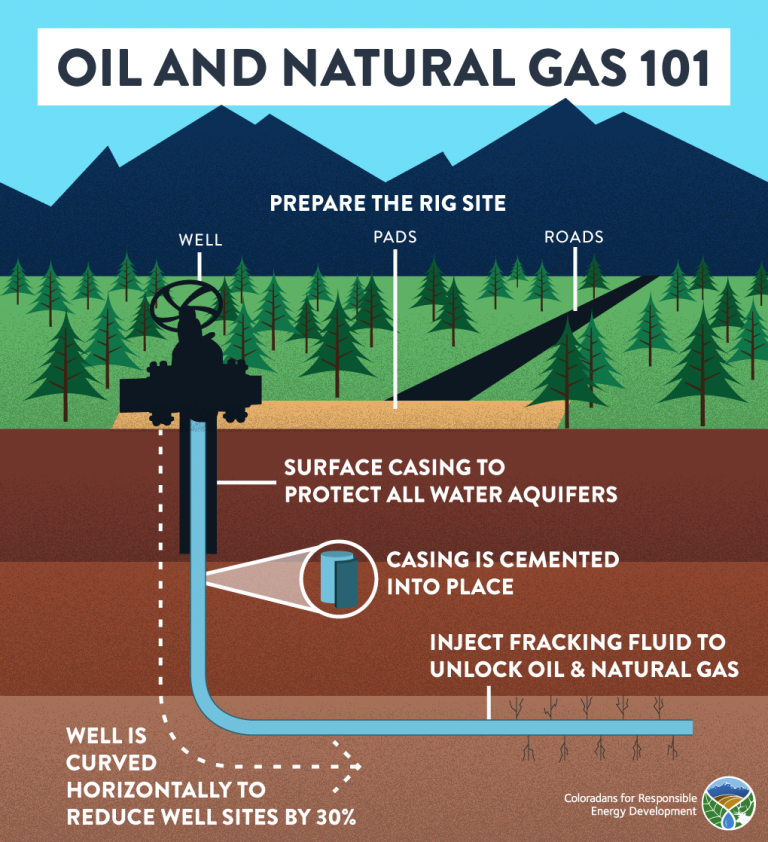
We've found the gas, now what? Time to drill a well. Sometimes it goes straight down, thousands of feet. But often, it takes a dramatic turn and drills sideways for miles! Why the curveball? Because natural gas often lives in thin, horizontal layers. A sideways drill can tap into much more of that gas-rich rock, like a super-long straw sipping from a thin, wide milkshake layer.

You might have heard a big, fancy word: fracking. Sounds intense, right? But at its core, it's just a way to give the gas a little nudge. We pump water (mixed with sand and a few chemicals) down the well at high pressure. This creates tiny, hairline cracks in the rock. The sand then props these tiny cracks open, preventing them from closing up. It’s essentially creating miniature highways for the gas to flow more freely from the rock into the well and up to the surface. It’s like unlocking a super-tight jar lid to let the goodness out!
Here's a super quirky, fun fact: Natural gas, straight from the ground, actually has no smell. Zero. Zip. Nada. You couldn't detect a leak if it was right under your nose! So, what’s that tell-tale rotten egg smell you recognize when there’s a gas leak? That’s added on purpose! It's a chemical called mercaptan, and it’s our stinky superhero, warning us of potential danger. Pretty clever, huh? It’s a built-in safety feature, custom-made to annoy your nose for your own good!
From Earth to Your Home: The Journey Continues
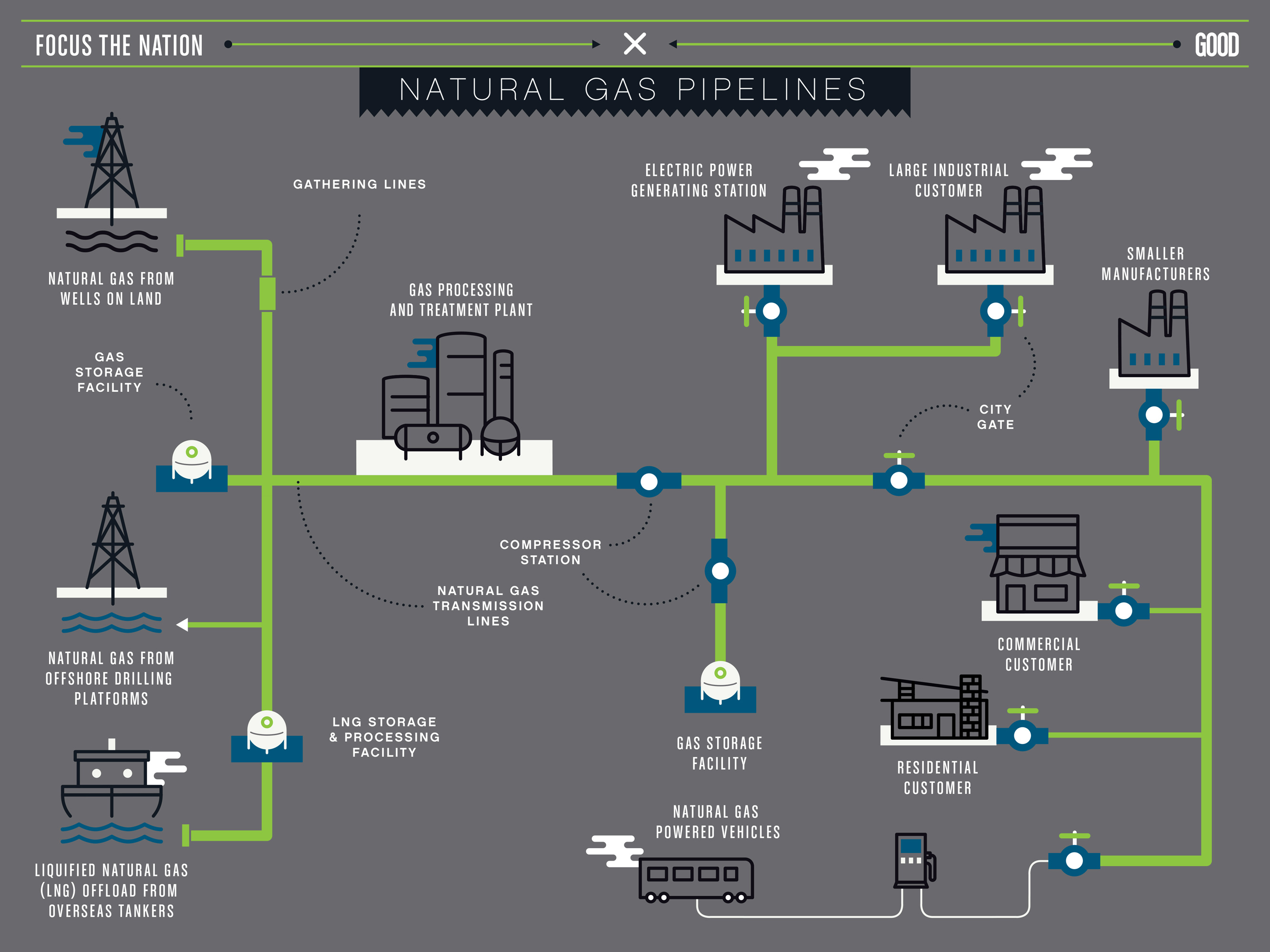
Once the natural gas is safely out of the ground, it goes through a purification process. All the impurities are removed, leaving behind mostly pure methane. Then, it's whisked away through a vast network of pipelines – think of it as an underground highway system, stretching for thousands of miles across continents! This incredible infrastructure delivers the gas to power plants, factories, and eventually, right to your home.
And guess what? Natural gas isn’t just for heating your home or cooking your dinner. It’s a true workhorse! It's used to generate electricity, power vehicles, and is a vital ingredient in creating plastics, fertilizers for our food, and even some of the clothes we wear! It’s not just an energy source; it’s a fundamental building block for countless modern conveniences.
So, the next time you light that burner or feel the warmth from your furnace, give a little nod to the ancient swamps, the intrepid rock-detective geologists, and the clever engineers. Natural gas isn't just a utility; it's a story millions of years in the making, unearthed by human ingenuity, and delivered right to your fingertips. Pretty cool, right? Who knew gas could be so glamorous?