How Do We Make Electricity From Fossil Fuels

Hey there! Ever wondered how we get that juice that powers our phones, lights up our homes, and keeps the coffee machine humming? I mean, we flip a switch and poof – electricity! But where does it actually come from? Well, sometimes it comes from some pretty old stuff... like, millions-of-years-old stuff! I'm talking about fossil fuels.
Now, before you picture dinosaurs fueling your toaster, let's get one thing straight: it's not literally dinosaurs. (Although, wouldn't that be awesome? Imagine a T-Rex on the side of your electric bill: "Dino-Charge!"). Fossil fuels are made from the remains of ancient plants and animals – think swampy forests and teeming oceans from way back when. Over eons, this organic matter got buried, squished, and cooked under immense pressure and heat until it turned into coal, oil, and natural gas. Yummy, right? (Okay, maybe not for eating!).
So, How Does That Become Electricity?
Great question! It’s all about heat and spin! (Sounds like a fun exercise class, doesn't it?).
Must Read
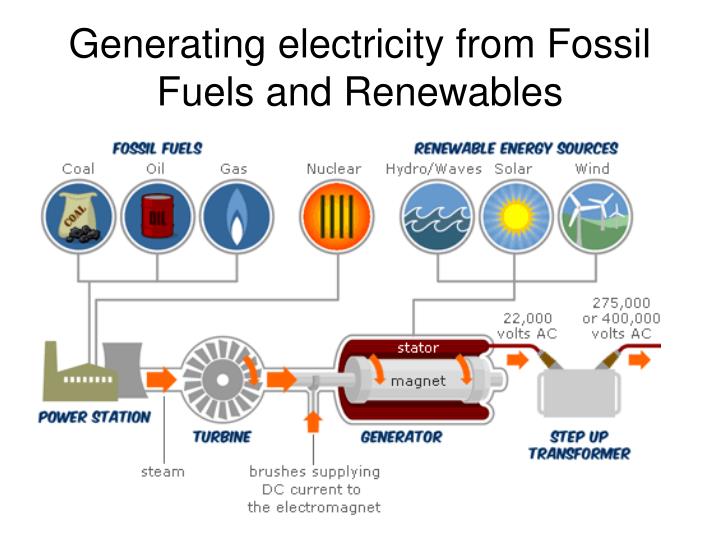
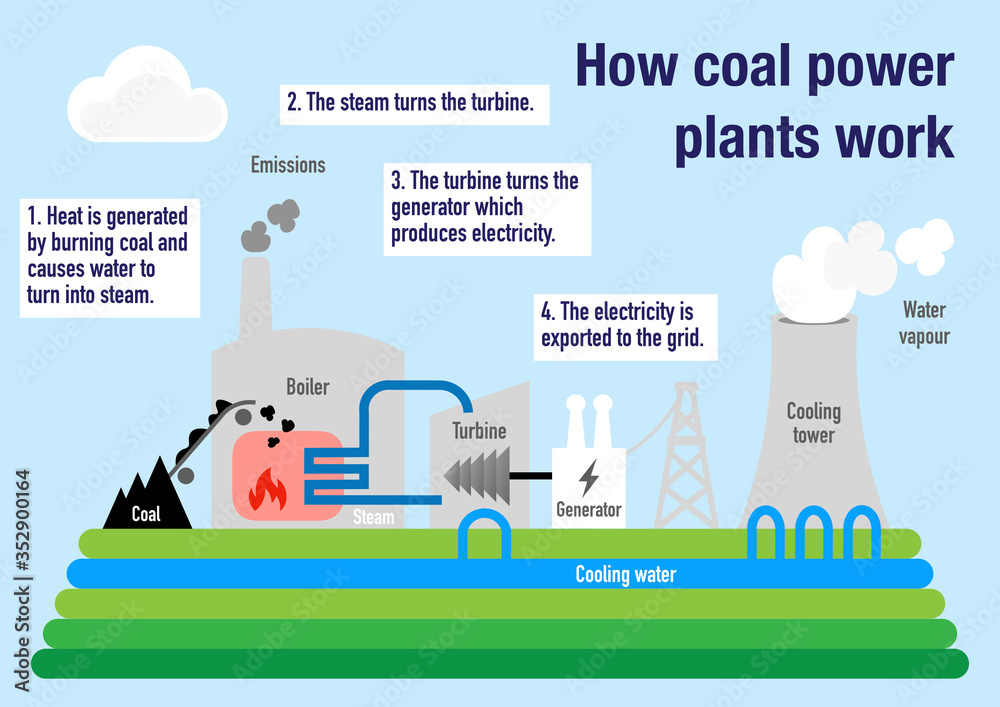
First, we burn the fuel. Yep, we set it on fire! Think of it like a super-powered barbecue, but instead of grilling burgers, we're burning coal, oil, or gas. This creates a lot of heat. I mean, a serious amount of heat!
Next, we boil water. This heat is used to turn water into steam. Imagine a giant kettle, but instead of whistling tea, it's producing high-pressure steam.

Then, we spin a turbine. This is where the "spin" part comes in! The high-pressure steam is directed at a turbine. A turbine is basically a giant fan with blades. The force of the steam makes the turbine spin really fast – like a crazy-fast merry-go-round! We're talking thousands of rotations per minute!
Finally, we generate electricity with a generator. The spinning turbine is connected to a generator. Inside the generator, there are magnets and coils of wire. When the turbine spins the generator, it causes the magnets to move around the coils of wire. This movement creates an electric current – electricity! Think of it like a super-powered version of rubbing a balloon on your hair, but instead of static cling, you get enough electricity to power a city.
In a nutshell: Burn fuel → Boil water → Spin turbine → Generate electricity! Easy peasy, right?
A Little More Detail (But Not Too Much!)
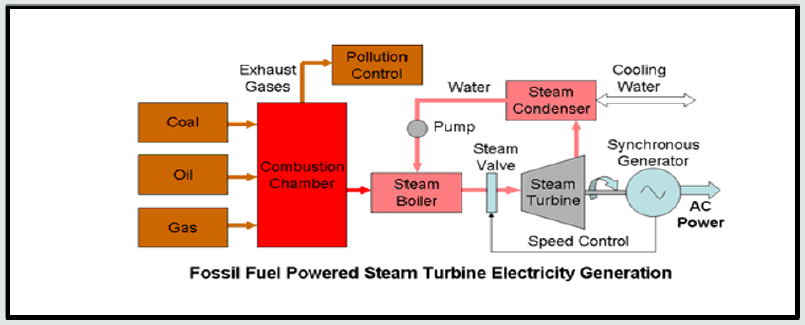
Okay, so I simplified it a bit. There are tons of pipes, valves, and other gizmos involved. Plus, there are different kinds of power plants. For example, a coal-fired power plant is going to look and operate slightly differently than a natural gas power plant. But the basic principle remains the same: burn something to create heat, use that heat to spin a turbine, and use that turbine to generate electricity.
And what happens with the steam after it spins the turbine? Well, it's cooled down and condensed back into water, which can then be reused. It's a bit like a closed-loop system, making it more efficient. Every little bit helps!
Is That All There Is To It?
Well, this method of making electricity using fossil fuels isn't without its drawbacks. Burning fossil fuels releases greenhouse gases into the atmosphere, which contribute to climate change. That’s why there's a big push to develop cleaner and more sustainable sources of energy, like solar, wind, and hydro power. These renewable resources are becoming more and more efficient and cost-effective every day, which is super exciting!
But for now, fossil fuels still play a significant role in powering our world. Understanding how this process works is the first step to finding better ways to generate energy, conserve resources, and create a brighter future.
So, next time you flip a switch, take a moment to think about the journey that electricity took to get there. From ancient swamps to spinning turbines, it’s a pretty incredible process, wouldn’t you agree? And remember, every little bit of energy conservation helps us move towards a cleaner, greener future! Now go forth and be brilliantly powered… responsibly!