
How Do We Harness Fossil Fuels
Ever flicked a light switch, felt the warmth of a heater, or zoomed down the highway and stopped to think, "Whoa, how does this actually work?" It’s a pretty wild thought when you consider that a huge chunk of the energy powering our modern lives comes from something incredibly ancient: fossil fuels. We're talking about energy that's been chilling underground for millions of years. But how do we actually get that incredible, stored energy out of the ground and put it to work?
It’s like we’ve become master treasure hunters, but instead of gold coins, we’re digging for prehistoric sunshine. Pretty neat, huh?
The Big Three: Coal, Oil, and Natural Gas
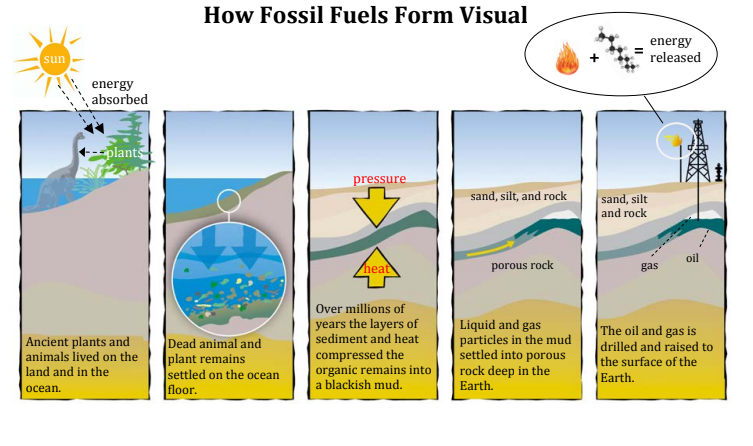
First up, let's meet the stars of our show: coal, oil, and natural gas. Think of them as the ultimate leftovers. Millions upon millions of years ago, when dinosaurs roamed and Earth looked a lot different, ancient plants and tiny sea creatures lived their lives. When they died, they didn't just vanish. They got buried under layers of sediment, mud, and rock. Over unimaginable stretches of time, with incredible pressure and intense heat, these organic bits transformed into the fossil fuels we know today.
Must Read
Imagine squeezing a sponge for millions of years – what comes out is something completely transformed! These aren't just rocks; they're ancient life energy in concentrated form.
Digging for Black Gold (and Black Rock, and Invisible Gas!)
So, we know what they are. Now, how do we get our hands on them?
Coal: The Earth's Solid Energy Stores
Coal is arguably the OG fossil fuel. It’s basically compressed prehistoric forests. To get it, we either go on an underground adventure, sending miners deep into the earth in subsurface mines, or we use surface mining. Surface mining looks a bit like carving out huge steps or terraces in the landscape to reach those buried coal seams. It’s a massive undertaking, moving earth to uncover that stored sunshine.

Once extracted, chunks of coal are transported, often by train or barge, to power plants or industrial facilities, ready to be unleashed.
Oil: Liquid Legacy of the Sea
Oil, sometimes dubbed "black gold," is liquid energy formed mostly from ancient marine organisms. Imagine vast oceans teeming with microscopic life, sinking to the bottom when they died, then getting cooked and pressed for eons. To get oil, we literally have to poke a gigantic straw into the earth – or, more accurately, drill wells. These wells can go miles deep, reaching into underground reservoirs where the oil has collected.
Picture a giant, complex soda fountain straw, pumping up a thick, dark liquid instead of soda. Once brought to the surface, oil is transported via pipelines, tankers, or trucks to refineries. Here, it’s refined, meaning separated into useful products like gasoline, diesel, jet fuel, and even ingredients for plastics and medicines. Talk about versatile!

Natural Gas: The Invisible Powerhouse
Natural gas often hangs out with oil, chilling in the same underground rock formations. It’s mostly methane, a gas from decomposed organic matter. Getting natural gas involves similar drilling techniques. Once we tap into a natural gas reservoir, the gas often flows to the surface due to underground pressure. It's like finding a giant, ancient balloon filled with energy!
Because it's a gas, it travels through vast pipelines. Sometimes, it’s cooled to a super-chilled liquid (Liquid Natural Gas or LNG) for shipping across oceans. It’s like a really cold, potent breath of ancient Earth energy.
From Ground to Grid (and Car, and Heater!)
So, we've successfully unearthed our ancient energy stores. But how do we actually harness them? The answer is straightforward: we burn them!

The Power of Combustion
When coal, oil, or natural gas burns, it reacts with oxygen, releasing stored chemical energy as heat. Think of it like unlocking a tiny, ancient battery. This heat is crucial. In power plants, it boils water, creating high-pressure steam. This steam then pushes against massive turbines – essentially giant pinwheels – causing them to spin. These spinning turbines are connected to generators, which convert that rotational energy into electricity. It’s a fascinating dance of heat and motion!
It’s a bit like using a tiny fire to spin a massive top that then lights up your whole house!
Fueling Our Journeys
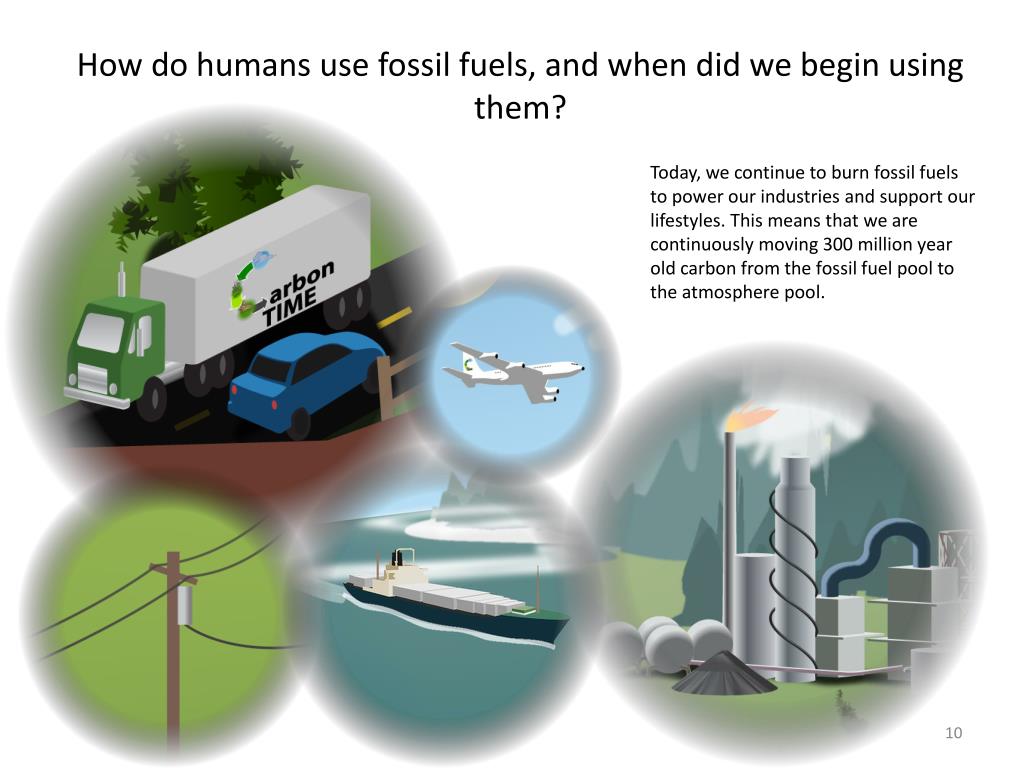
For transportation, refined oil products like gasoline and diesel are pumped directly into our cars, trucks, and buses. Jet fuel powers airplanes, and heavy fuel oil keeps ships moving. These internal combustion engines efficiently burn the fuel, converting its chemical energy into mechanical energy to turn wheels and propellers. It's concentrated energy for on-the-go power.
Keeping Us Cozy and Cooking
Natural gas is a common hero for heating homes and water, and for cooking meals. It flows directly through pipelines to our stoves and furnaces, providing instant, clean-burning heat. Heating oil can also be used in furnaces for warmth. It’s like a direct line to that ancient, invisible energy source, ready to warm you up.
A Bit of Ancient Magic, Right?
It’s truly incredible: we're tapping into the sunshine and life force of millions of years ago to power our modern world. From tiny plankton to colossal trees, their legacy fuels our lights, drives our cars, and heats our homes. It’s a profound connection to Earth's deep past, harnessed through ingenuity and massive engineering.
So, the next time you flip a switch, maybe take a moment to ponder that journey – from ancient life, buried deep, to the glowing light right in front of you. Pretty cool, huh?