
How Do We Harness Biomass Energy
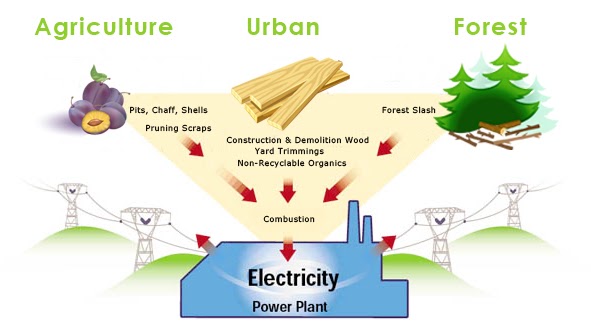
Hey there, energy adventurers! Ever stop to think about where our power comes from? We often picture giant solar panels or enormous wind turbines, right? But what if I told you there’s an energy source that’s been around since, well, forever? One that’s literally growing all around us, soaking up sunshine and just waiting for us to unlock its secrets? Welcome to the wonderful, wild world of biomass energy!
No, we’re not talking about some sci-fi movie fuel. This is real, down-to-earth, and frankly, super cool. Biomass is essentially any organic material that has stored energy from the sun. Think plants, trees, agricultural waste, even animal poop! It’s nature’s way of bottling up solar power, and then we come along and figure out clever ways to release it. Pretty neat, huh?
So, What’s the Big Deal with Biomass?
Why bother with all this leafy, woody stuff when we have other options? Well, here’s the kicker: biomass is renewable. As long as the sun shines and plants grow, we can keep replenishing our biomass supply. It's like a natural, continuous energy loop. Plus, it gives us a smart way to deal with things that might otherwise go to waste, like sawdust from lumber mills or corn stalks left in a field after harvest.
Must Read
Imagine if your garden trimmings, the husks from your morning coffee, or even the uneaten bits from dinner could help power your home. That's the kind of sustainable magic we're talking about!
Method 1: The Classic Burn (Direct Combustion)
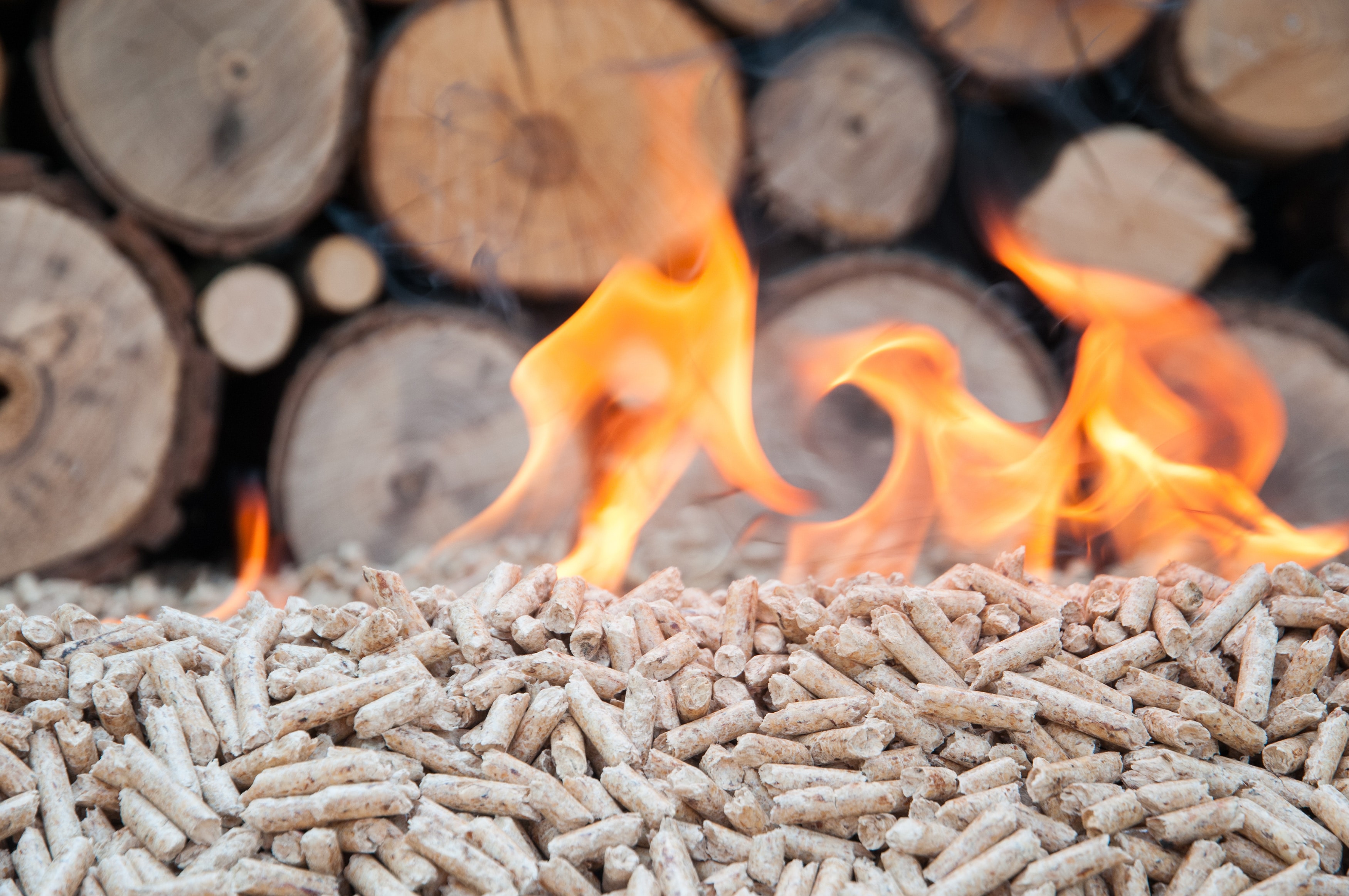
Okay, let’s start with the most intuitive way to get energy from biomass: burning it. Yes, just like a campfire or a cozy wood stove! But before you picture uncontrolled forest fires, hold on. Modern biomass combustion is way more sophisticated. We're talking about highly efficient power plants that burn things like wood chips, agricultural residues, or even specific energy crops, turning that stored chemical energy directly into heat.

That heat then boils water, creating steam that spins a turbine, which then generates electricity. It’s essentially a super-efficient, super-controlled campfire that powers homes and businesses. This method is incredibly versatile and a fantastic way to handle forestry waste or dedicated energy crops.
Method 2: Poo Power! (Biogas & Anaerobic Digestion)
Now, this one gets a little... smelly, but trust me, it’s brilliant! Have you ever wondered what happens to all that organic waste in landfills? It decomposes, right? And when it decomposes without oxygen, it produces a gas called methane. This is where anaerobic digestion comes in.

We can harness this natural process in controlled environments called "digesters." Imagine a giant, sealed stomach where tiny microbes feast on things like animal manure, food scraps, or wastewater sludge. As they munch away, they produce biogas – a mix of methane and carbon dioxide. And guess what? Methane is the main component of natural gas! So, we can capture this biogas and use it for heating, cooking, or even generating electricity. It’s like turning yesterday’s leftovers into today’s power!
Method 3: Liquid Gold from Plants (Biofuels)
Alright, picture this: your car, powered by corn! Or algae! Or even old cooking oil! This isn’t science fiction; it’s the reality of biofuels. These are liquid fuels derived from biomass that can be used in vehicles, replacing traditional gasoline or diesel.
The most common types are bioethanol (often made from corn, sugarcane, or cellulosic materials) and biodiesel (made from vegetable oils, animal fats, or algae). Bioethanol is made through fermentation, much like brewing beer, where yeast converts plant sugars into alcohol. Biodiesel involves a chemical process that transforms fats and oils into fuel. It’s a fascinating way to create a transport fuel that literally grows in a field!
Method 4: Cooking Without Oxygen (Pyrolysis & Gasification)
This sounds a bit like a magic trick, doesn’t it? What if you could heat biomass to really high temperatures, but without actually burning it? That's the essence of pyrolysis and gasification.
In pyrolysis, biomass is heated in the absence of oxygen, producing liquids (bio-oil), gases, and a solid char (biochar). Bio-oil can be refined into fuel or chemicals, while biochar is amazing for soil enrichment. Think of it like making charcoal, but with much more advanced byproducts!
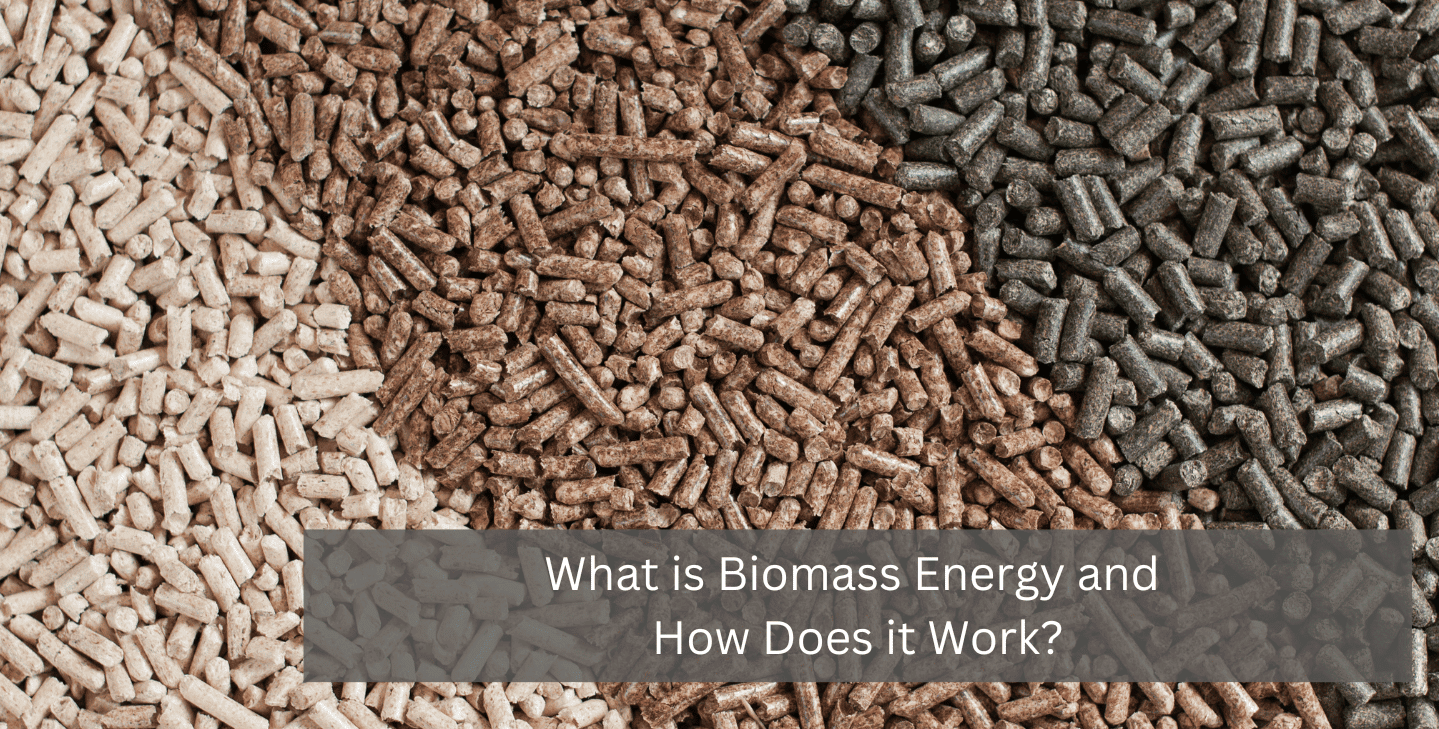
Gasification is similar but uses a controlled amount of oxygen (or steam) to convert biomass into a synthetic gas called "syngas." This syngas is a versatile fuel that can be used to generate electricity, produce liquid fuels, or even serve as a chemical building block. It's like getting all the energy out of the biomass in a super clean, flexible gaseous form.
Why Does All This Matter?
Harnessing biomass energy isn't just a cool scientific endeavor; it's a piece of a much larger puzzle. It offers us a way to reduce our reliance on fossil fuels, manage waste more effectively, and potentially create new, green jobs in rural communities. It also provides a flexible energy source that can complement intermittent renewables like solar and wind, offering power even when the sun isn't shining or the wind isn't blowing.
So, the next time you see a field of corn, a pile of wood chips, or even a humble compost bin, remember: you’re not just looking at organic material. You’re seeing potential energy, a clever gift from the sun, waiting for us to unlock it in ingenious and sustainable ways. Isn't nature just the coolest?