How Do We Get To Fossil Fuels
Ever flicked a light switch, started a car, or even just warmed up a cup of coffee and wondered, "How does this magic happen?" Most of us probably don't, because energy is so woven into the fabric of our daily lives that it feels like second nature. It’s the invisible force that powers our world, bringing unparalleled convenience, comfort, and connectivity. From the moment our alarm clocks buzz in the morning to the streetlights guiding our way home at night, energy is constantly at play, making modern life not just possible, but wonderfully effortless.
The benefits are enormous. Imagine a world without central heating in winter, air conditioning in summer, or instant transportation across continents. Fossil fuels, for centuries, have been the primary architects of this comfort. They heat our homes, generate much of our electricity, fuel our cars, planes, and ships, and are even the raw materials for countless products we use every day – plastics, pharmaceuticals, fertilizers, and even the asphalt on our roads. They've been the engine of industrial revolutions, driving human progress and dramatically improving our quality of life, allowing us to build, explore, and communicate on scales previously unimaginable.
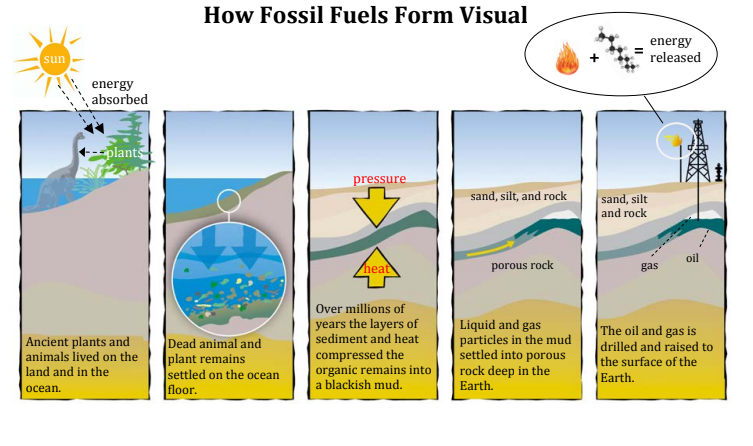
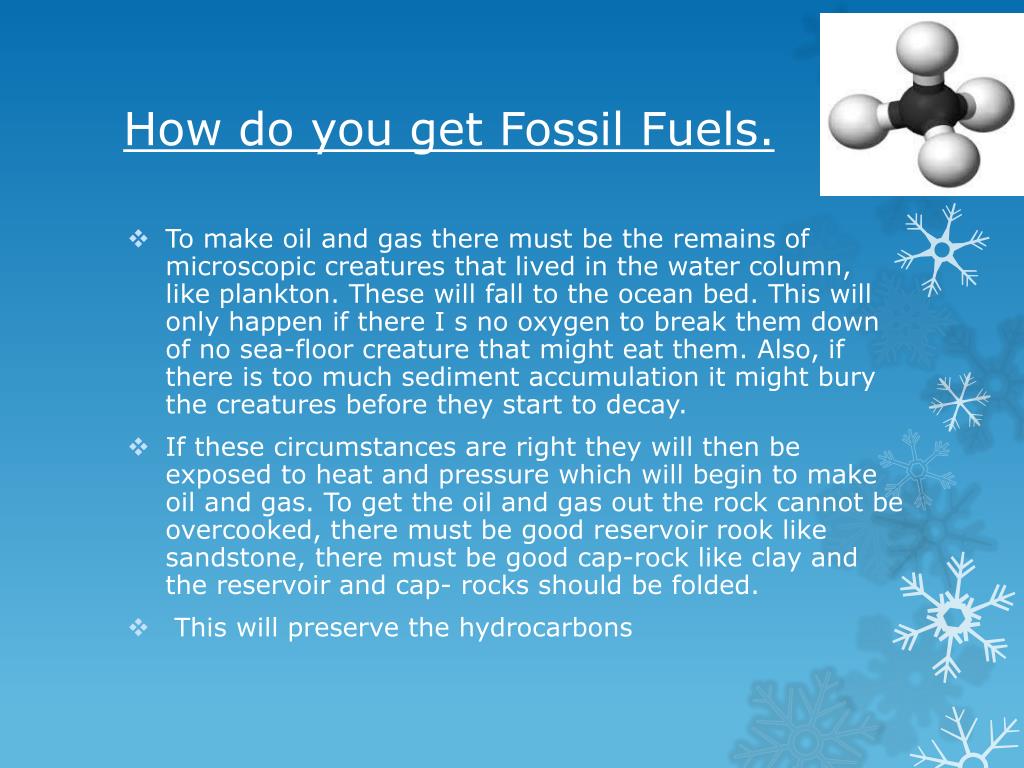
So, how exactly do we get our hands on this incredible, ancient energy source? The journey of fossil fuels is nothing short of a geological epic, spanning millions of years. It all begins with life itself – microscopic marine organisms like plankton, ancient plants, and various animals. When these organisms die, their remains sink to the bottom of oceans or get buried in swamps and forests. Instead of decomposing completely, they get covered by layers of mud, sand, and other sediments. Over eons, these layers pile up, exerting immense pressure and trapping the organic matter away from oxygen.
Must Read
This deep burial, combined with the Earth's geothermal heat, creates a colossal underground pressure cooker. Over millions of years, often tens or hundreds of millions, this heat and pressure slowly but surely transform the organic gunk. Plant matter typically becomes coal, a dense, carbon-rich rock. The remains of marine organisms, particularly algae and plankton, are cooked into crude oil (petroleum) and natural gas. It's truly a fossilization process, turning ancient sunlight captured by plants and organisms into a concentrated energy source, stored deep within the Earth's crust.
Now, how can we "enjoy" this process more effectively? While we can't exactly go back in time to witness the formation, we can certainly appreciate the incredible journey. Here are a few tips:
- Be a Time Traveler: Next time you fill up your car, take a moment to marvel that you're literally putting millions of years of Earth's history into your tank. It's ancient sunlight, transformed!
- Follow the Chain: Understand that the plastic bottle you're holding, the fertilizer that grew your food, or the power keeping your lights on likely originated from this same geological miracle. Appreciate the intricate connections.
- Be Mindful, Not Wasteful: Recognizing the immense time and natural resources that go into creating fossil fuels can inspire a greater sense of stewardship. Using energy efficiently isn't just good for your wallet; it's a nod to Earth's patient alchemy.
- Embrace the Future: Learn about how we’re transitioning to renewable energy sources. Understanding the historical role and formation of fossil fuels helps us appreciate the scale of change needed for a sustainable future. It's a journey from ancient energy to innovative new power.