How Do We Get Electricity From Fossil Fuels
Ever wonder how that light switch magically illuminates your room, or how your phone springs to life when you plug it in? A big part of that "magic" is actually a fascinating process involving something we often hear about: fossil fuels. It's a topic that's both incredibly relevant – think climate change and energy policy – and surprisingly interesting when you delve into the nuts and bolts. We use this electricity every single day, making understanding its origins more important than ever.
So, what's the deal? The fundamental principle behind getting electricity from fossil fuels is converting the chemical energy stored within these ancient resources into electrical energy. Think of it as a giant, controlled bonfire where we capture the heat and use it to do some serious work.
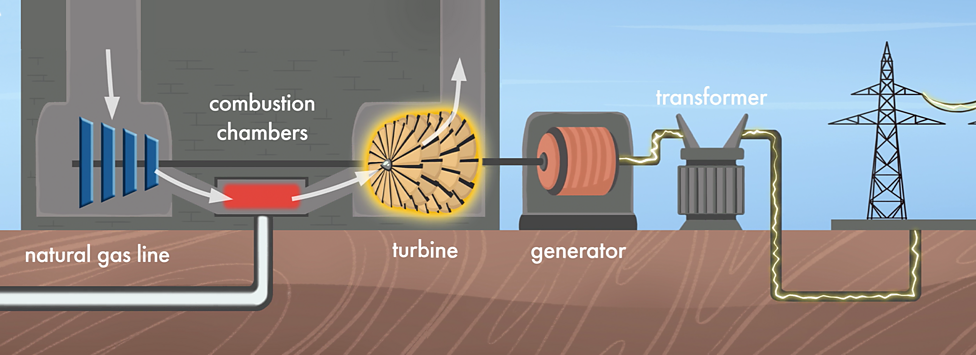
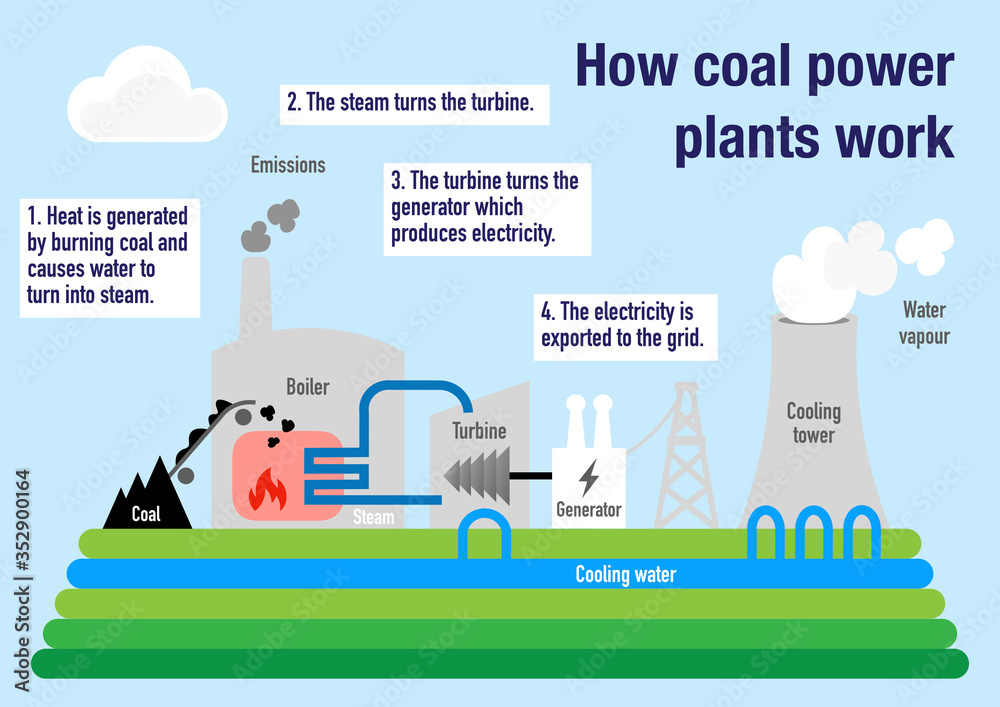
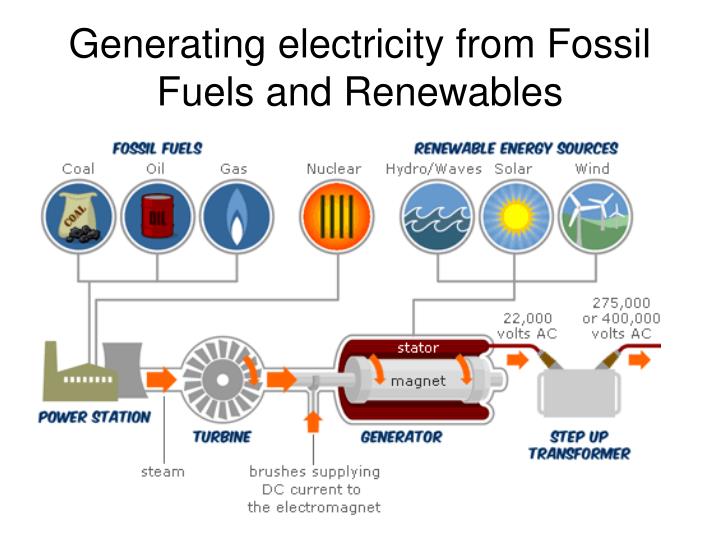
Here’s the basic breakdown: first, we burn the fossil fuel, typically coal, oil, or natural gas. This combustion generates a lot of heat. That heat is then used to boil water, creating high-pressure steam. This steam then blasts through a turbine, which is essentially a massive fan connected to a generator. The spinning turbine turns the generator, which in turn produces electricity. Finally, that electricity is sent through power lines to homes, businesses, and schools.
Must Read
The benefits of using fossil fuels for electricity generation have historically been significant. It allowed for rapid industrialization, providing a relatively cheap and reliable energy source. It powers our homes, keeps our hospitals running, and fuels our transportation systems. In education, think about the computers in classrooms, the lights allowing students to read, and even the air conditioning that creates a comfortable learning environment. In daily life, it's everything from charging our phones to powering our refrigerators to keeping the lights on at night.
However, it's crucial to acknowledge the drawbacks. Burning fossil fuels releases greenhouse gases, contributing to climate change. It also involves mining and drilling, which can have significant environmental impacts. That’s why there's a growing push for renewable energy sources like solar and wind, which offer cleaner alternatives.
Want to explore this topic further? Here are a few ideas:
- Virtual Power Plants: Search online for interactive simulations of power plants. Many websites offer virtual tours and explanations of the process.
- Science Experiments: While you can't build a full-scale power plant at home, you can conduct simple experiments demonstrating energy conversion. For example, build a simple generator using magnets and coils of wire.
- Documentary Films: There are many documentaries exploring the history of fossil fuels and the future of energy.
- Read Articles and Books: Plenty of resources explain the science behind energy production and the environmental impacts of different energy sources.
Understanding how electricity is generated, even from sources with drawbacks, is fundamental to making informed decisions about our energy future. By exploring this topic, you'll gain a greater appreciation for the technology that powers our world and the challenges we face in creating a more sustainable energy system.