How Do Wall Mounted Air Conditioning Units Work

Let's talk about those magnificent rectangles clinging to our walls: wall-mounted air conditioning units. You know, the ones that hum a summer song of coolness and sometimes, a winter ballad of slightly less-chilled air. But how do these temperature-bending marvels actually work? Prepare yourself for a surprisingly simple (and dare I say, slightly magical) explanation.
The Two-Box Tango
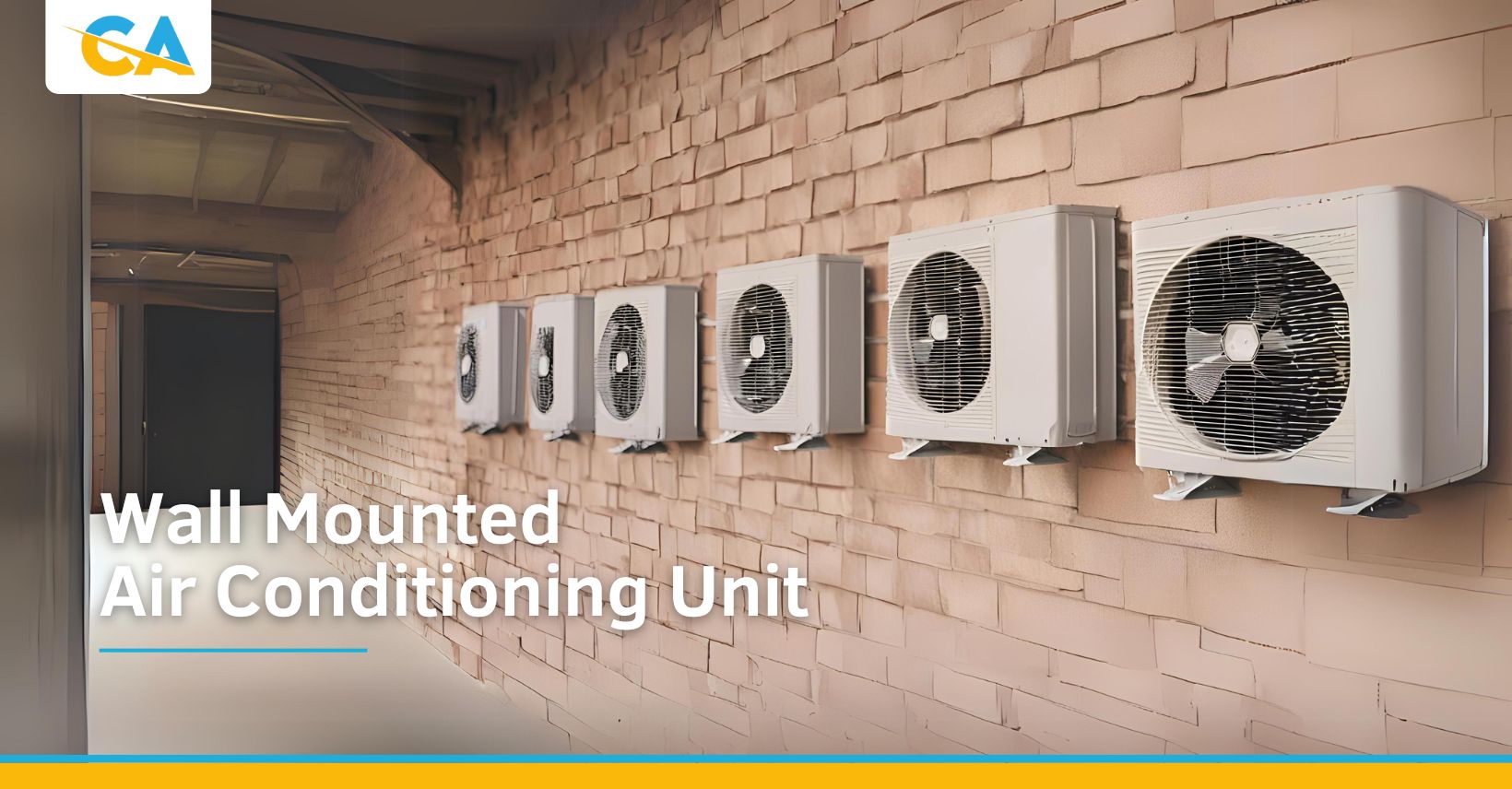
First things first: they're actually two boxes working in harmony. There's the indoor unit, that sleek or not-so-sleek panel you see on your wall. And then there's the outdoor unit, the clunky metal thing that often lives in your backyard, serenading your neighbors with its mechanical murmurs. These two are connected by pipes, like a high-tech circulatory system for temperature.
Refrigerant: The Coolant Superhero
The secret weapon? Refrigerant. Think of it as a temperature-shifting ninja. This special fluid cycles between the indoor and outdoor units, constantly changing its state to grab heat from inside your house and dump it outside. It’s like a tiny, tireless heat-moving team. It absorbs heat from inside, turns into a gas, travels outside, releases the heat, turns back into a liquid, and repeats the cycle. Endlessly. Bless its little refrigerant heart.
Must Read
Evaporation: The Indoor Cool-Down
Inside your room, the refrigerant is in a liquid form. It flows through a part of the indoor unit called the evaporator coil. As the refrigerant flows, it absorbs heat from the air blowing across it. This is where the magic happens. The refrigerant evaporates, transforming from a liquid into a gas. And guess what? That evaporation process chills the coil. A fan then blows air across that chilled coil, and voila! Cool air is whooshed into your room.
Compression: The Outdoor Heat Dump
Now the refrigerant, all warm and gassy from its indoor adventure, travels to the outdoor unit. Here, it encounters the compressor. This is the muscle of the operation, squeezing the refrigerant gas and increasing its pressure and temperature. Think of it as giving the refrigerant a pep talk and a super-powered hug.

The hot, high-pressure refrigerant then flows through the condenser coil. A fan blows air across the condenser, helping the refrigerant to release its heat into the great outdoors. The refrigerant cools down and condenses back into a liquid. All that heat that used to be in your living room? Gone. Poof! Banished to the atmosphere.
Expansion Valve: The Return Trip
Finally, the now-liquid refrigerant passes through an expansion valve. This reduces the pressure and temperature of the refrigerant, preparing it to start the whole cooling cycle all over again. It's like the refrigerant taking a deep breath and getting ready for another round of heat-grabbing action.

The Thermostat: Your Temperature Dictator
Of course, none of this would work without the thermostat. This little device is the brain of the operation, monitoring the temperature of your room and telling the air conditioner when to turn on or off. You set your desired temperature, and the thermostat makes sure the system works until it's achieved. Consider the thermostat the mini-boss of your wall-mounted AC unit.
My Unpopular Opinion (Prepare Yourself)
Now, for my unpopular opinion: I actually like the gentle hum of the outdoor unit. Okay, maybe not at 3 AM when I'm trying to sleep. But during the day, it's a comforting reminder that I'm living in a climate-controlled paradise. It's the sound of sweet, sweet relief from the summer heat. Fight me.

So, there you have it. Wall-mounted air conditioning, demystified. It's a constant cycle of refrigerant doing its thing, moving heat from inside to outside, all controlled by your thermostat. Pretty impressive, right? Now, if you'll excuse me, I'm going to go crank up the AC and bask in its glorious, temperature-altering power.