
How Do They Come Up With The Names Of Hurricanes
Ever wondered who gets to play God and christen a hurricane? Is it some grizzled meteorologist chain-smoking in a bunker? A committee of wizards chanting arcane phrases? Well, the reality is surprisingly organized, and, dare we say, kinda cool.
The Alphabet Soup of Storm Names
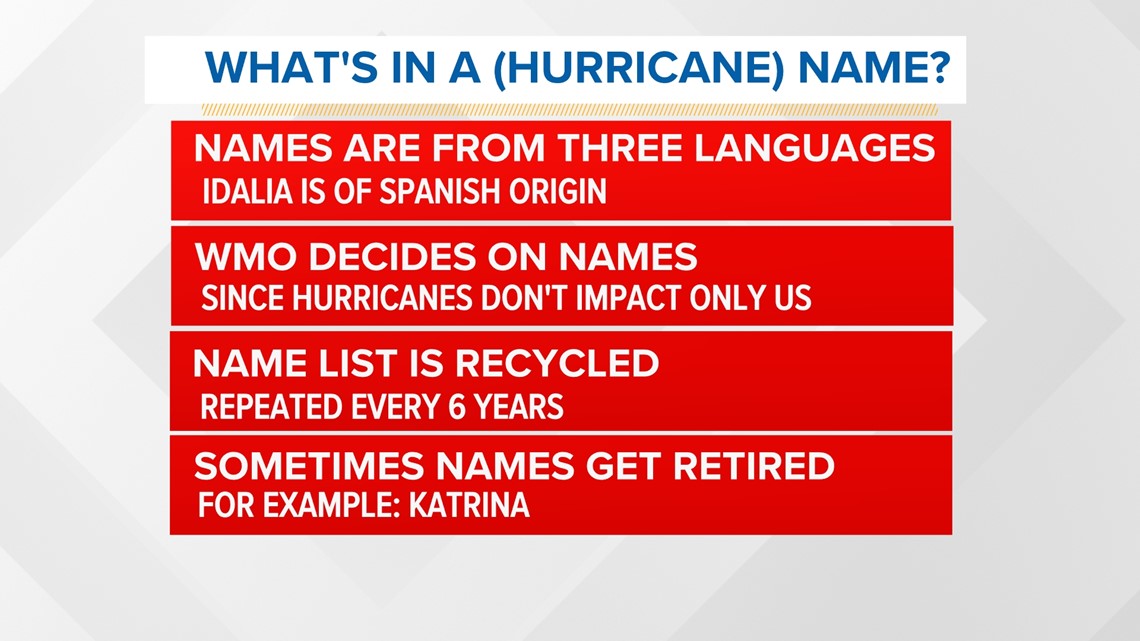
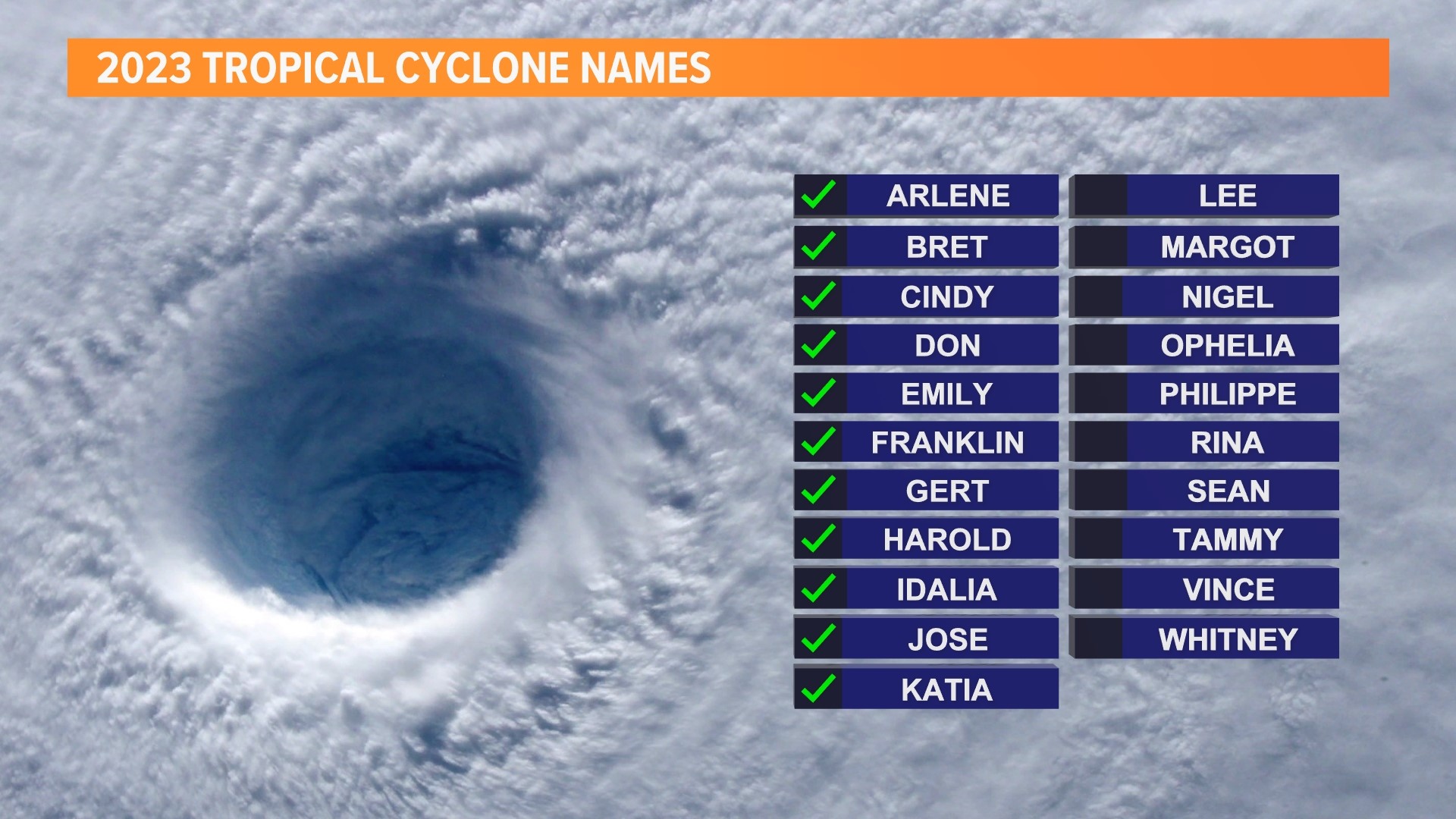
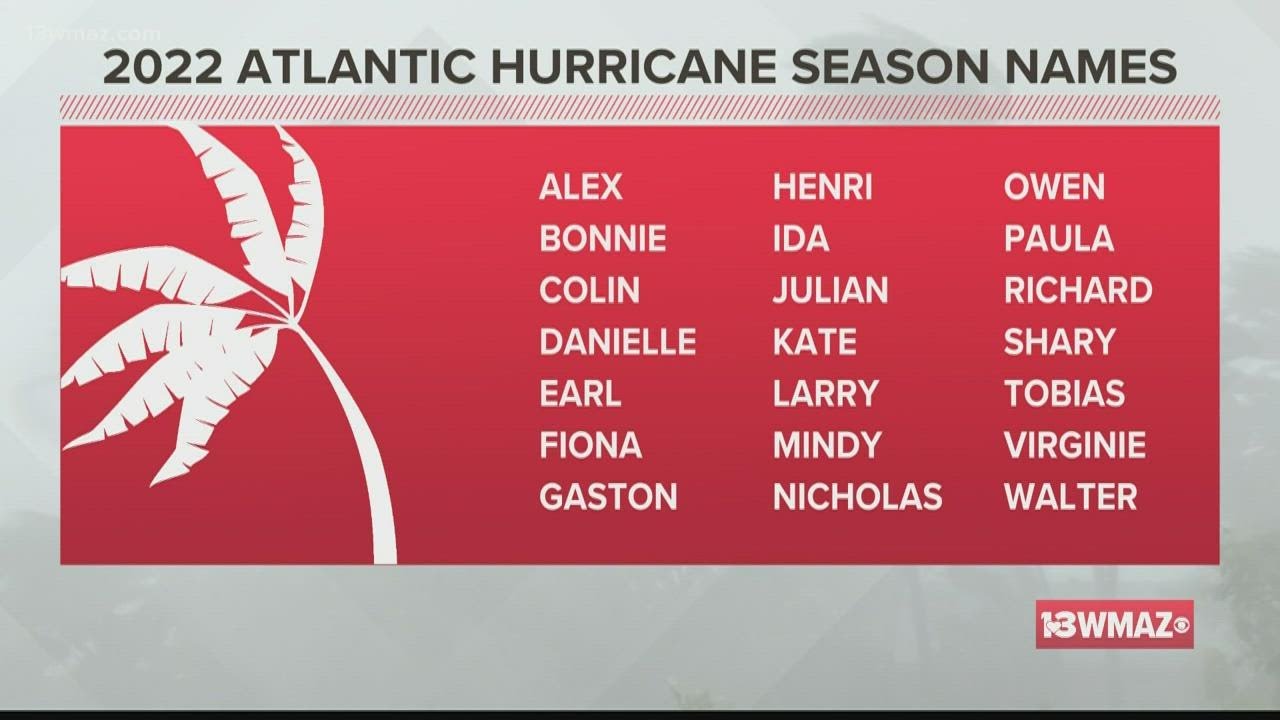
First things first: hurricane naming isn't random. It follows a strict, predetermined system managed by the World Meteorological Organization (WMO). They've got six rotating lists of names, used sequentially. This means the list used in 2024 will be dusted off and reused in 2030, barring any, ahem, retirements (more on that later).
These lists run alphabetically, skipping letters like Q, U, X, Y, and Z, probably because finding suitable and easily pronounceable names starting with those letters is a linguistic headache. Imagine trying to scream "Hurricane Xerxes is coming!" into the wind.
Must Read
Fun Fact: The system we use today evolved from earlier, more whimsical approaches. During World War II, weather forecasters reportedly named storms after their wives or girlfriends. Talk about pressure to be on your best behavior, ladies!
From Gendered to Gender-Neutral: A Naming Evolution
Historically, storm names were exclusively female until 1979, when male names were introduced. This shift reflected a growing awareness of gender equality and the importance of treating severe weather with seriousness, regardless of its assigned name. Now, each list alternates between male and female names.
Practical Tip: Knowing the naming pattern can actually help you track storm seasons. If you're noticing a cluster of hurricanes all starting with "D," you know you're further into the season than if they're all starting with "A" or "B."
The Hall of Shame: When Names Get Retired
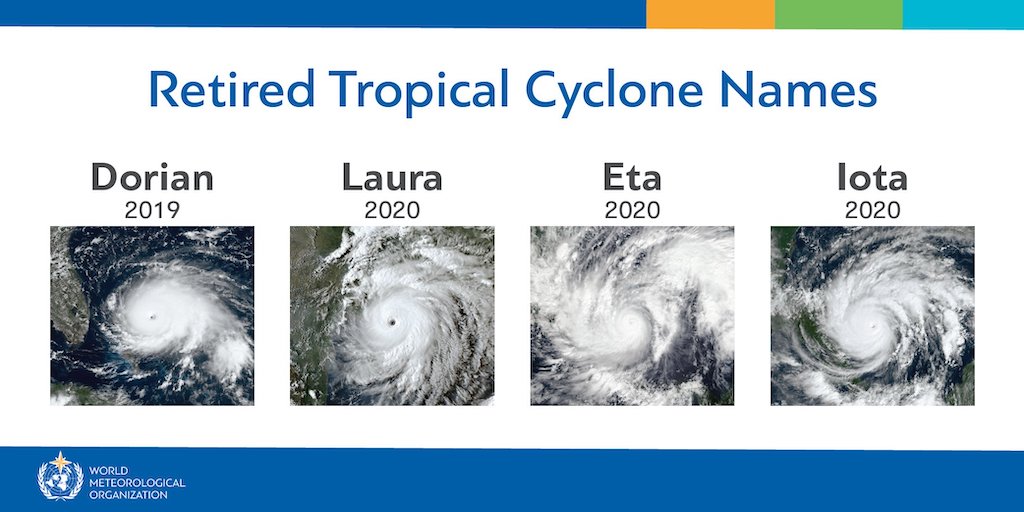
Not every hurricane gets to live on in meteorological infamy. If a storm is particularly devastating, its name gets "retired." This prevents causing further pain and distress to those affected by future storms bearing the same moniker. Think of it as the hurricane equivalent of taking a player's jersey out of circulation.
Examples of retired names include: Katrina (2005), Harvey (2017), and Maria (2017). These names are permanently removed from the rotation and replaced with a new, carefully chosen alternative.
Cultural Reference: The retirement process is somewhat similar to how certain words become taboo after being associated with tragedy. Language evolves, and so too does our relationship with these storm names.
The Global Perspective: Different Basins, Different Names
While the WMO manages the Atlantic and Eastern Pacific lists, other regions have their own systems. The Western Pacific uses a complex naming system involving lists submitted by various countries. These names often reflect local cultures and languages, offering a fascinating glimpse into regional traditions.
Fun Fact: In the Western Pacific, storm names can include flowers, animals, and even mythological figures!

Beyond the Name: Staying Safe and Informed
Ultimately, the name of a hurricane is less important than understanding its potential impact and taking necessary precautions. Staying informed through reliable sources like the National Hurricane Center (NHC), following evacuation orders, and having a well-stocked emergency kit are crucial steps to protecting yourself and your loved ones.
Practical Tip: Download the FEMA app for real-time alerts and safety tips. Don't rely solely on social media for information during a hurricane. Cross-reference information from multiple trusted sources.
The Ripple Effect: Connecting Storm Names to Our Lives
The meticulous process of naming hurricanes might seem like a distant, scientific endeavor. However, it's a powerful reminder of our interconnectedness with the natural world. These names, whether familiar or foreign, represent a force that can profoundly impact lives and communities. Just as we carefully choose names for our loved ones, imbuing them with meaning and identity, so too do these storm names carry a weight of responsibility. They urge us to be prepared, to be respectful, and to remember the power of nature's fury.