
How Do They Come Up With The Names For Hurricanes
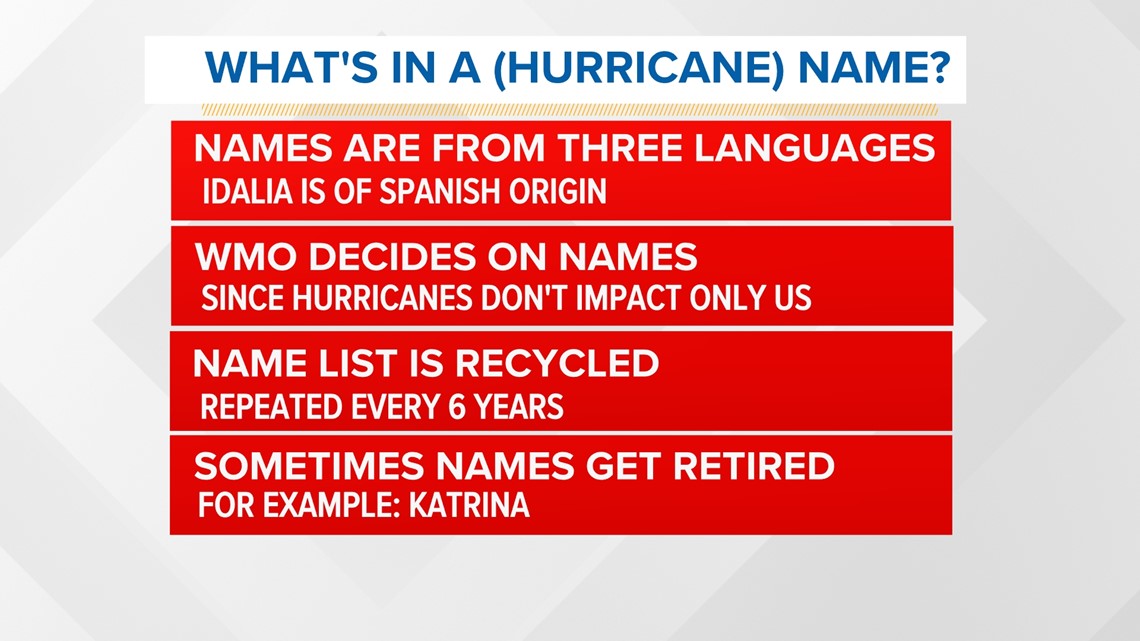
Hey, you ever wonder how they come up with those hurricane names? Like, who sits around thinking "Okay, this one's gonna be… Idalia!" It's kinda weird, right? Like naming your pet goldfish "Fluffy the Destroyer."
Well, pull up a chair, grab your virtual coffee (or maybe something stronger, depending on the weather where you are!), and let’s dive into the surprisingly organized world of hurricane naming. It’s not as random as you might think.
A History of Hitters
Believe it or not, there was a time when hurricanes weren't named at all! Can you imagine the chaos? "Yeah, that big one that hit Florida? The one with all the wind?" Super helpful, right?
Must Read
Then, people started using coordinates. Still not very catchy. Later, they started using the saint's day on which the hurricane hit! Again, we can see that is just a little too complicated.
Some meteorologists got a little… creative. One Australian meteorologist, Clement Wragge, used the names of politicians he didn't like! Talk about passive-aggressive weather forecasting! Can you imagine your name being attached to a raging storm?
The Modern Method: Lists and Letters
Thankfully, things are a bit more professional (and less politically charged) now. The World Meteorological Organization (WMO) is in charge of the official naming lists. They maintain six lists, which are used in rotation.
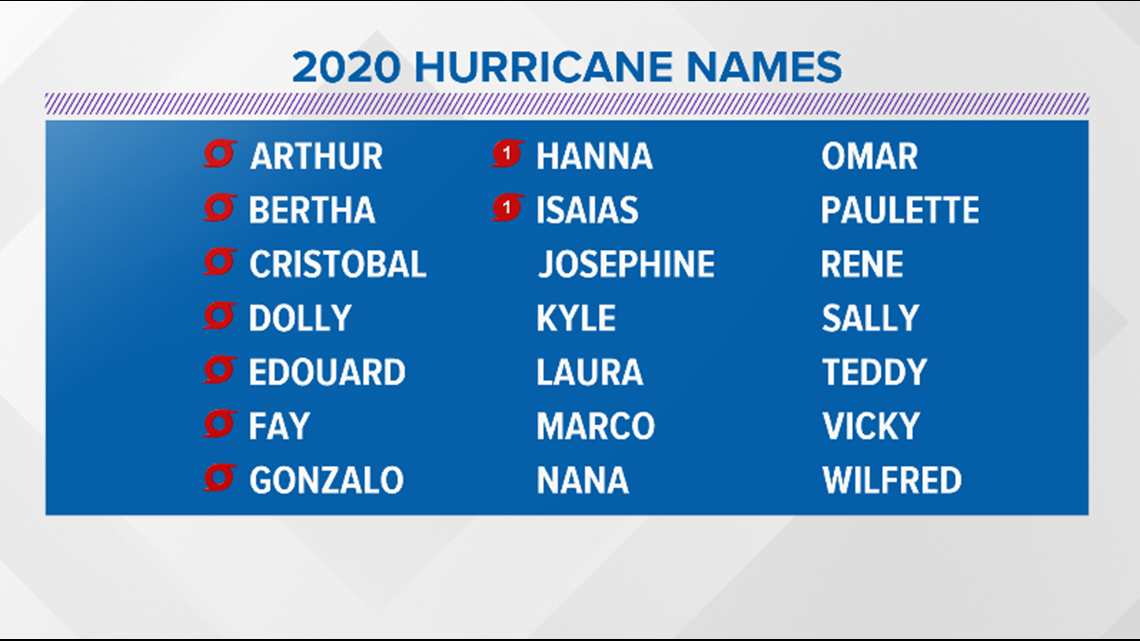
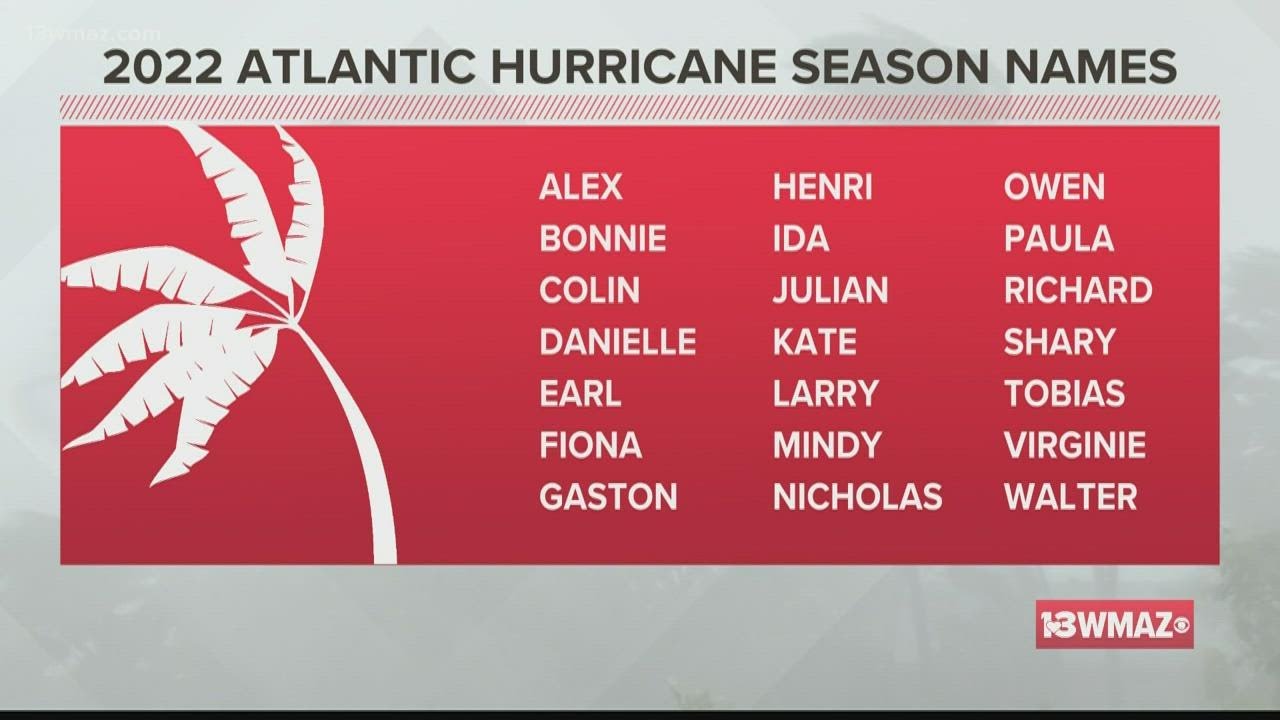
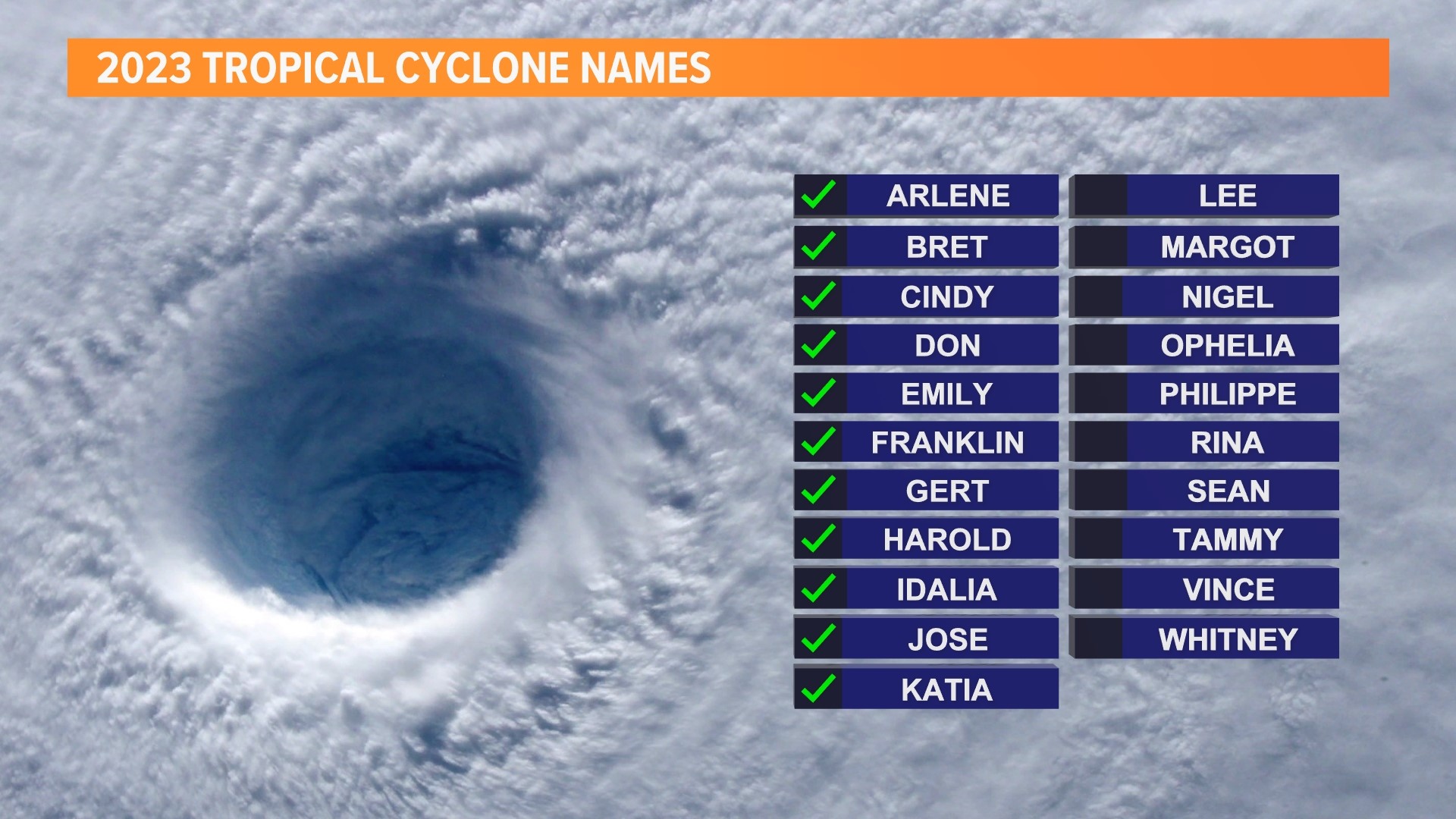
Yep, six lists. They go through one list per year and then cycle back. So, the names used in 2024 will be used again in 2030, unless… dun dun DUN… a storm is so devastating that the name is retired.
Each list contains 21 names. Why 21? Because they skip the letters Q, U, X, Y, and Z. Apparently, there just aren’t enough good, usable names starting with those letters. (Though, honestly, "Hurricane Zelda" sounds pretty cool.)
The names themselves are in alphabetical order. So, the first storm of the year always starts with A, the second with B, and so on. It's all very systematic.

Boys and Girls (Used to Be Just Girls!)
For a long time, only women's names were used. Seriously! It wasn't until 1979 that male names were added to the Atlantic hurricane lists. I guess they figured the storms were doing enough damage without gender bias getting involved too! (Okay, that's a joke. Probably. Maybe.)
Now, each list alternates between male and female names. It's all about equality in the storm front, I suppose. Speaking of gender-neutral names, maybe there's a market for those!
Saying Goodbye to a Name
So, what happens when a hurricane is truly catastrophic? What makes a name worthy of retirement? Well, if a hurricane causes so much death and destruction that reusing the name would be insensitive, the WMO votes to retire it.
Think about names like Katrina, Harvey, Maria, and Ian. Those names are permanently off the list. Using them again would be… well, just plain awful.
Retired names are replaced with new ones, ensuring each list always has 21 names ready to go. It's a bit like witness protection for names, but instead of hiding from criminals, they're hiding from history.
Who Gets to Choose the Names, Anyway?
Here's where it gets a little less clear-cut. The WMO regional hurricane committees (for different parts of the world) are the ones that submit the name lists. So, representatives from various countries get together and brainstorm. I wonder if they have heated debates over "Brenda" vs. "Beulah".
These committees consider a variety of factors, including cultural appropriateness and, of course, making sure the names are easily pronounceable. The goal is to avoid confusion and ensure clear communication during a crisis.
So, there you have it! The surprisingly detailed and organized process of hurricane naming. It's a lot more than just pulling names out of a hat. Although, wouldn't that be a wild committee meeting?
Next time a hurricane is barreling your way, at least you'll know a little bit more about the name attached to it. Stay safe out there!