
How Do Storms Get Their Names

Ever wonder how storms get their names? Do you picture a bunch of highly caffeinated meteorologists in a dimly lit room, frantically throwing darts at a giant map of baby names? Or maybe a clandestine meeting where they draw names from a hat, like some bizarre, high-stakes weather lottery? "And the next devastating hurricane will be... Mildred!" (Cue dramatic thunderclap).
Well, my friend, the truth is a little less dramatic, but arguably even more fascinating – and certainly less prone to naming a Category 5 hurricane after your grumpy aunt.
Believe it or not, storm naming started pretty casually, sometimes even haphazardly. Back in the day, particularly in the Caribbean, storms were often named after the Saint's Day on which they hit. Sounds rather quaint, doesn't it? Imagine, "Oh, that's just the Hurricane of San Calixto!" Which, while poetic, isn't exactly helpful for differentiating between the other Hurricane of San Calixto that roared through ten years earlier. Talk about a clerical nightmare!
Must Read
Eventually, people started using more personal, if still a bit random, names. An Australian meteorologist in the early 1900s famously named storms after politicians he disliked, which is a level of passive-aggressive genius I truly admire. "Here comes Cyclone Johnson, causing chaos, just like his namesake!"
The Great Alphabetical Revelation
It wasn't until World War II that things got a bit more organized. American military meteorologists, tired of confusing numbers and coordinates, started naming storms after their wives and girlfriends. Or so the legend goes. Can you imagine the marital spats? "Darling, why did you name the mildest tropical depression after me, but that Category 4 beast after your ex?!"
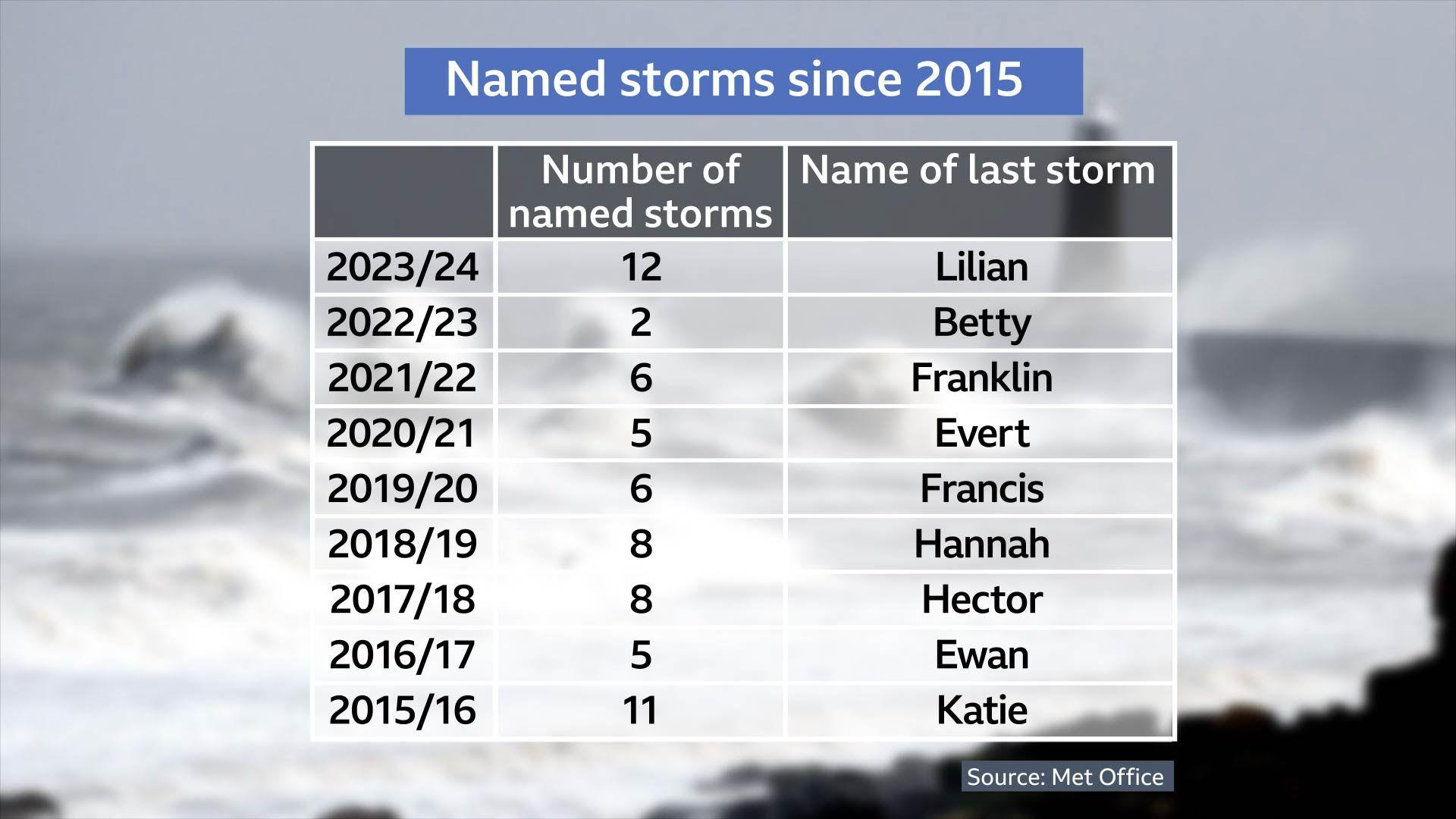
What's true is that they started using alphabetical lists of female names. This was a game-changer! Suddenly, "Hurricane Alice" was much easier to remember and communicate about than "Tropical Storm 3, latitude 15 north, longitude 60 west." Clarity, my friends, is key when a monstrous wall of wind and rain is barreling towards you.
This system was adopted by the U.S. National Hurricane Center in 1953, and for decades, only female names graced the lists. But times, they were a-changin'. By the 1970s, many felt it was a tad unfair (and, let's be honest, a little sexist) to attribute all that destructive power exclusively to female monikers. So, in 1979, after a fierce debate that probably involved less drama than deciding on a new sofa, male names were introduced into the Atlantic lists.
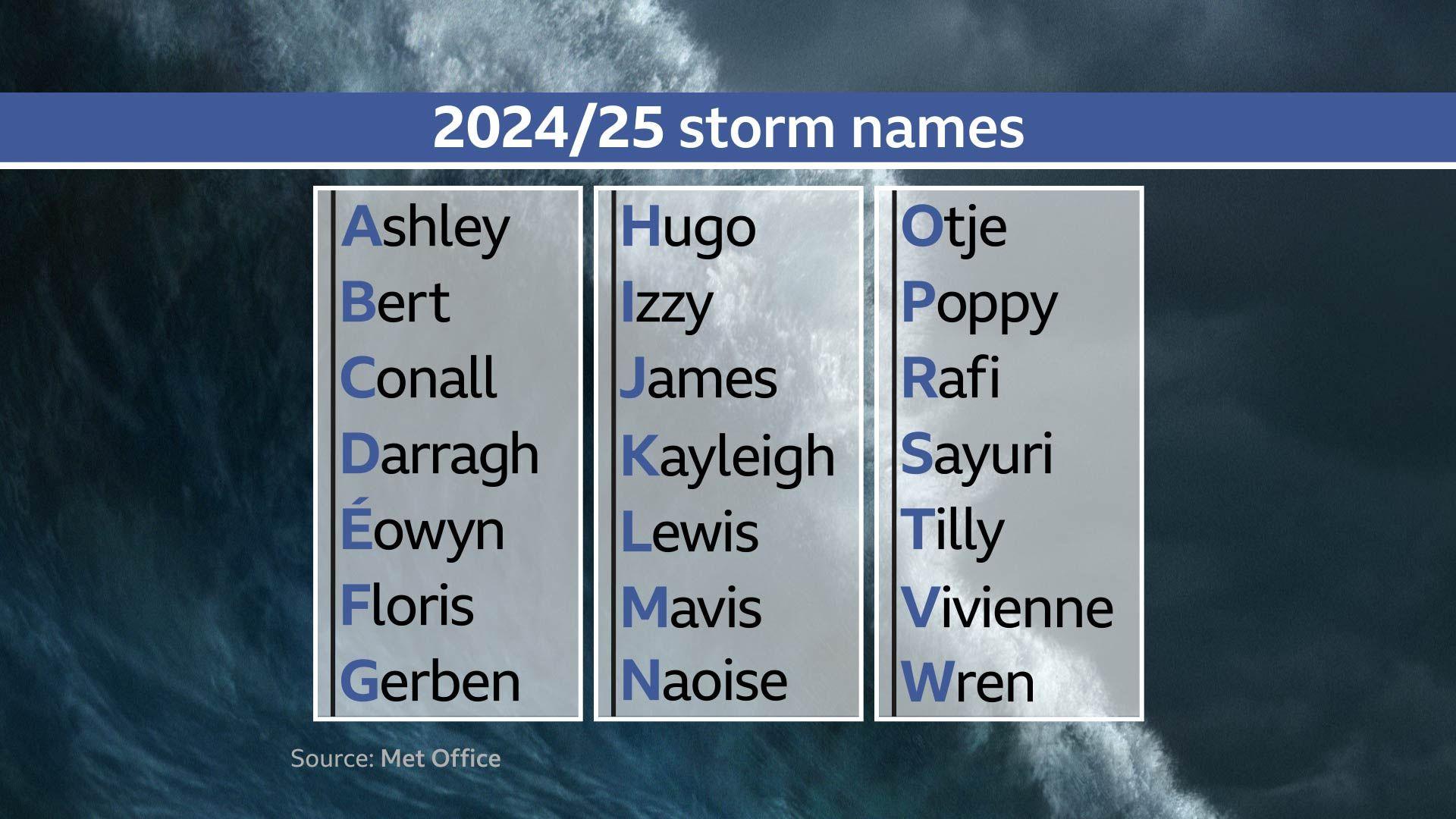
Now, we have alternating male and female names, cycling through the alphabet from A to W (sorry, Q, U, X, Y, Z – you're just not storm material, apparently). This helps ensure a balanced representation, and honestly, it just makes good sense.
Not All Basins Are Created Equal (In Naming)
Here's a fun twist: not all storms worldwide get their names from the same list! While the Atlantic and Eastern North Pacific basins use those familiar alternating male/female alphabetical lists managed by the World Meteorological Organization (WMO), other regions have their own unique flair.
Take the Western North Pacific, where typhoons roam. Their naming system is a delightful mishmash of names submitted by different countries in the region. So you might get a Typhoon Koppu (Japanese for 'cup'), followed by Typhoon Choi-wan (Cantonese for 'colourful cloud'), and then Typhoon Dolphin (submitted by the USA). It’s like a mini United Nations of storm nomenclature!
Even more intriguing are the storms in the North Indian Ocean. For a long time, these cyclones weren't named at all, leading to mass confusion. But since 2004, they too have a list – names like Fani, Amphan, Nisarga – often reflecting local flora, fauna, or places. It's truly a global effort to keep us all straight about which swirling vortex of doom is which.
When Names Get a One-Way Ticket to Retirement
So, we have these lovely, rotating lists of names. But what happens when a storm is particularly naughty? You know, the kind that causes widespread devastation, loss of life, and just generally makes a huge, unforgettable mess? Well, those names get retired. Permanently. Think of it as being banned from the exclusive storm-naming club forever.
This isn't about shaming the name (poor Katrina didn't ask for it!), but rather for practical and psychological reasons. It prevents confusion with future storms and, crucially, avoids insensitivity to the victims and areas affected. Imagine trying to talk about "Hurricane Sandy Part 2" after the first one caused billions in damage. Nope, just nope.
So, iconic names like Katrina, Sandy, Harvey, Maria, Ida – they're all retired to the storm hall of fame (or infamy, depending on your perspective). A new name, starting with the same letter, is chosen to take its place on the rotating list for future seasons.
The Future of Storm Naming (And Running Out of Names!)
The WMO typically maintains six rotating lists for the Atlantic and Eastern North Pacific. That means the list of names used this year will be back in six years' time, unless a name gets retired. It’s a pretty efficient system, ensuring a fresh, yet familiar, batch of names.
But what if we have a ridiculously active season and blast through all 21 or 24 names on the alphabetical list? Historically, we used the Greek alphabet (Alpha, Beta, Gamma, etc.). This happened most notably in 2005 and 2020. However, the WMO decided this caused too much distraction and confusion, so for the Atlantic basin, if we exhaust the main list, we now dip into a supplementary list of names. No more Delta-epsilon-zeta-ing our way through the storm season!
So, the next time you hear a storm name, you'll know it's not some random choice. It's the result of decades of meteorological evolution, international cooperation, and a subtle nod to clarity in the face of chaos. It’s a system designed to help us communicate, prepare, and ultimately, stay safe. And who knows, maybe one day your name will be deemed worthy enough to join the ranks… let's just hope it's not because you were a Category 5! Stay safe out there!