
How Do Solar Panels Make Energy
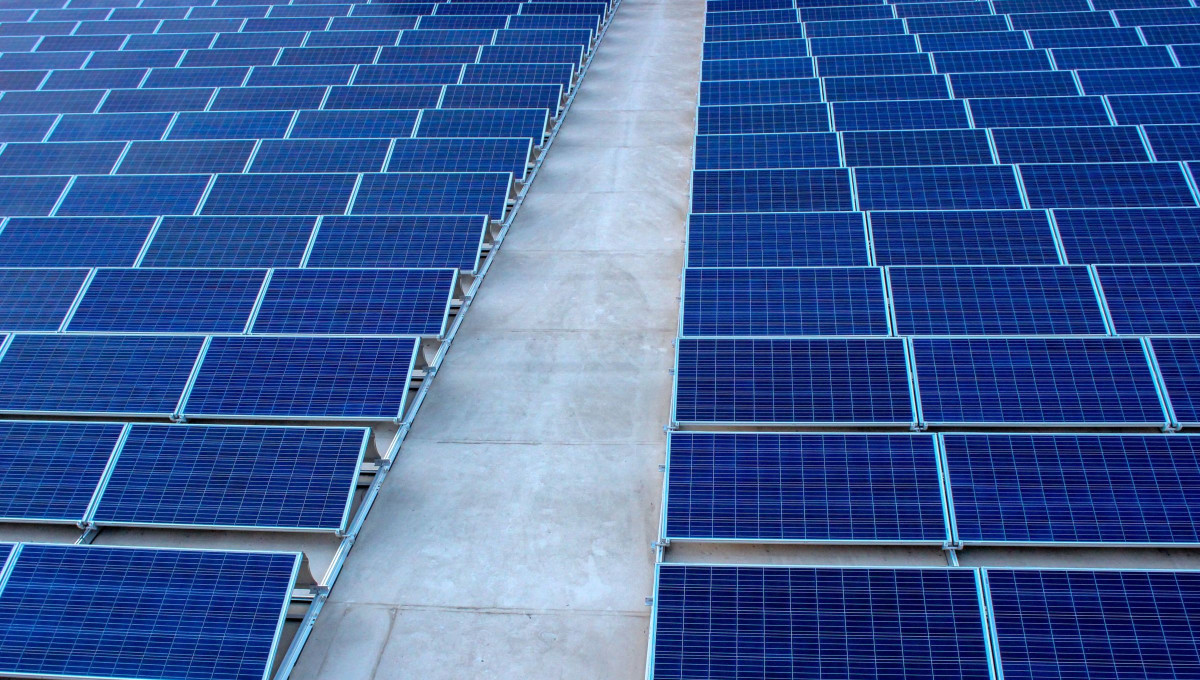
Okay, so you’ve seen those shiny rectangles on roofs, right? Maybe you’ve even wondered, “How on earth do those things turn sunshine into power for my kettle?” It feels a bit like magic, doesn’t it? Like, some wizard just waved a wand and poof, electricity! But honestly, it’s less Gandalf and more… well, science, but the really cool, understandable kind. Pull up a chair, grab your favourite brew, and let’s spill the beans.
It All Starts with a Little Kick
So, here’s the big secret: Solar panels work because of something called the photovoltaic effect. Yeah, I know, fancy word. But break it down: "photo" means light, and "voltaic" means electricity. Basically, light makes electricity. See? Not so scary!
Think of it like this: the sun is constantly blasting out these tiny little energy packets called photons. These aren't just warm rays; they're like microscopic, super-energetic golf balls. And your solar panel? It's basically a highly sophisticated golf net designed to catch them.
Must Read
What Are These Panels Even Made Of?
Mostly, solar panels are made from a material called silicon. You know, like sand? But super-duper refined. This silicon isn’t just plain old sand; it's treated in a special way to become a semiconductor. Think of it as a really particular bouncer at a club – it only lets certain things through under specific conditions.
These silicon pieces are usually sliced into really thin layers, like wafers. And here’s where it gets interesting: one layer is doped with elements that give it extra electrons (negative charge), and the other layer is doped to have fewer electrons, creating "holes" (positive charge). It’s like having a crowded room next to an empty room, separated by a flimsy door. What’s going to happen when someone opens that door?

Sunlight Hits, Electrons Get Jumpy!
Alright, so the sun sends down its photon-golf balls. When a photon hits one of these silicon atoms with enough energy – boom! – it gives an electron in the silicon a serious kick. This electron, previously just chilling, suddenly has a burst of energy. It’s like it just chugged five espressos and is ready to run a marathon!
This energized electron, now super excited, breaks free from its atom. Because of the way the two silicon layers are treated (remember those positive and negative sides?), there's an invisible electric field already waiting. This field is like a tiny, gentle slope. When the electron gets kicked free, this field says, "Hey, over here, buddy!" and guides the electron towards the negatively charged side.
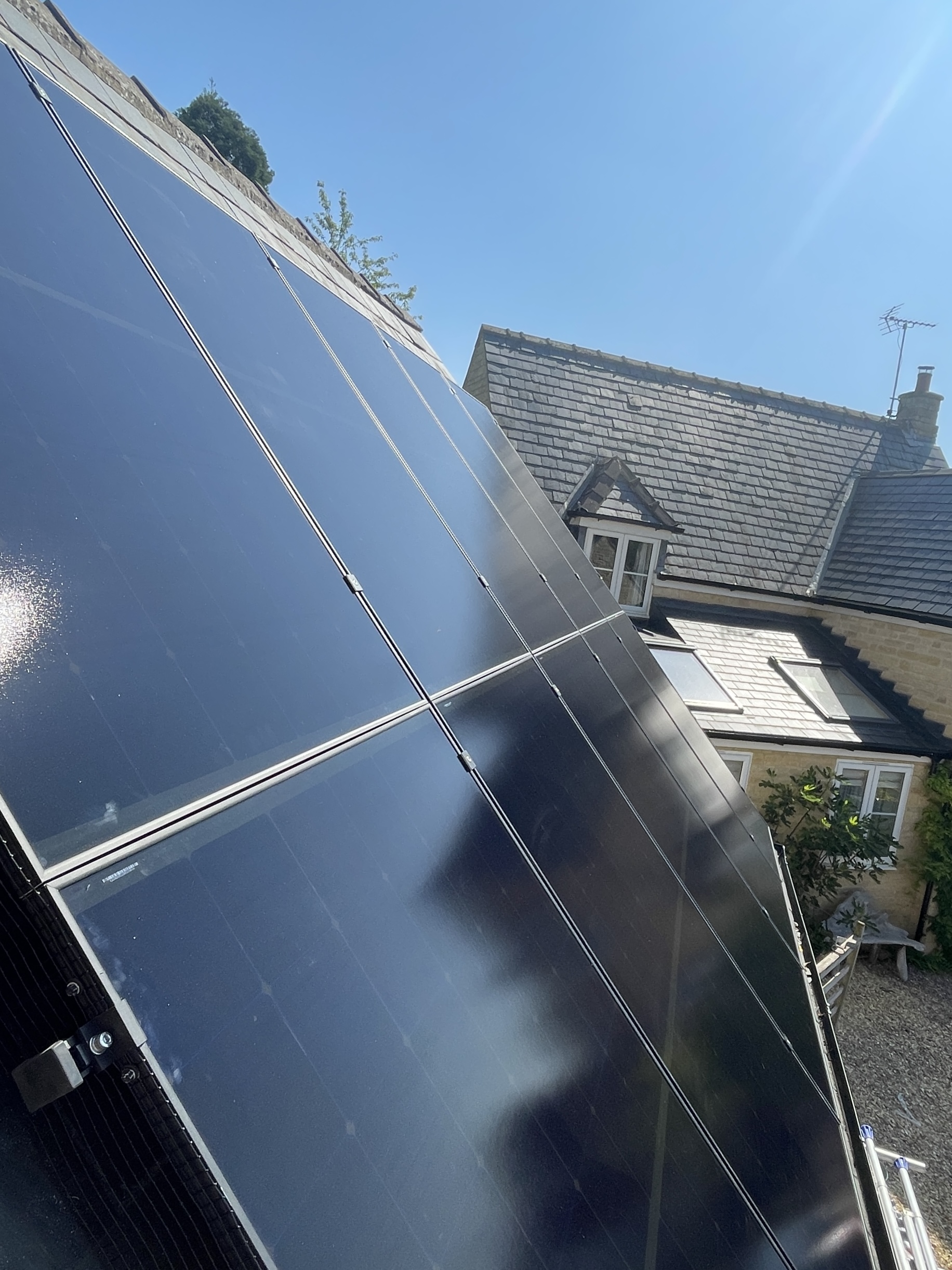
At the same time, because the electron left its original spot, it leaves behind a "hole" – which is essentially a positive charge. The positive side of the silicon attracts this hole. So, you've got electrons moving one way, and the holes effectively moving the other way. It’s like a tiny, invisible shuffle dance!
Voila! A Current Is Born
When you connect a wire to the front and back of this silicon sandwich (which is what your solar panel essentially is), all those freed-up, energetic electrons suddenly have a path to follow. They don't want to just pile up; they want to find their way back to those positive holes. So, they start flowing through the wire to get there.
And what do we call a flow of electrons through a wire? You guessed it! An electric current! Ta-da! That’s your DC (direct current) electricity, just like what comes out of a battery.

From DC to AC: The Inverter's Job
Now, here’s a tiny hiccup: your house doesn’t run on DC electricity. All your gadgets, your fridge, your lights – they all need AC (alternating current). So, what do we do with all that lovely DC energy from the panels?
Enter the unsung hero: the inverter. This clever box is usually tucked away somewhere near your panels or in your garage. Its job is simple but crucial: it takes all that DC power and flawlessly converts it into AC power that your home can actually use. Think of it as a super-smart translator.
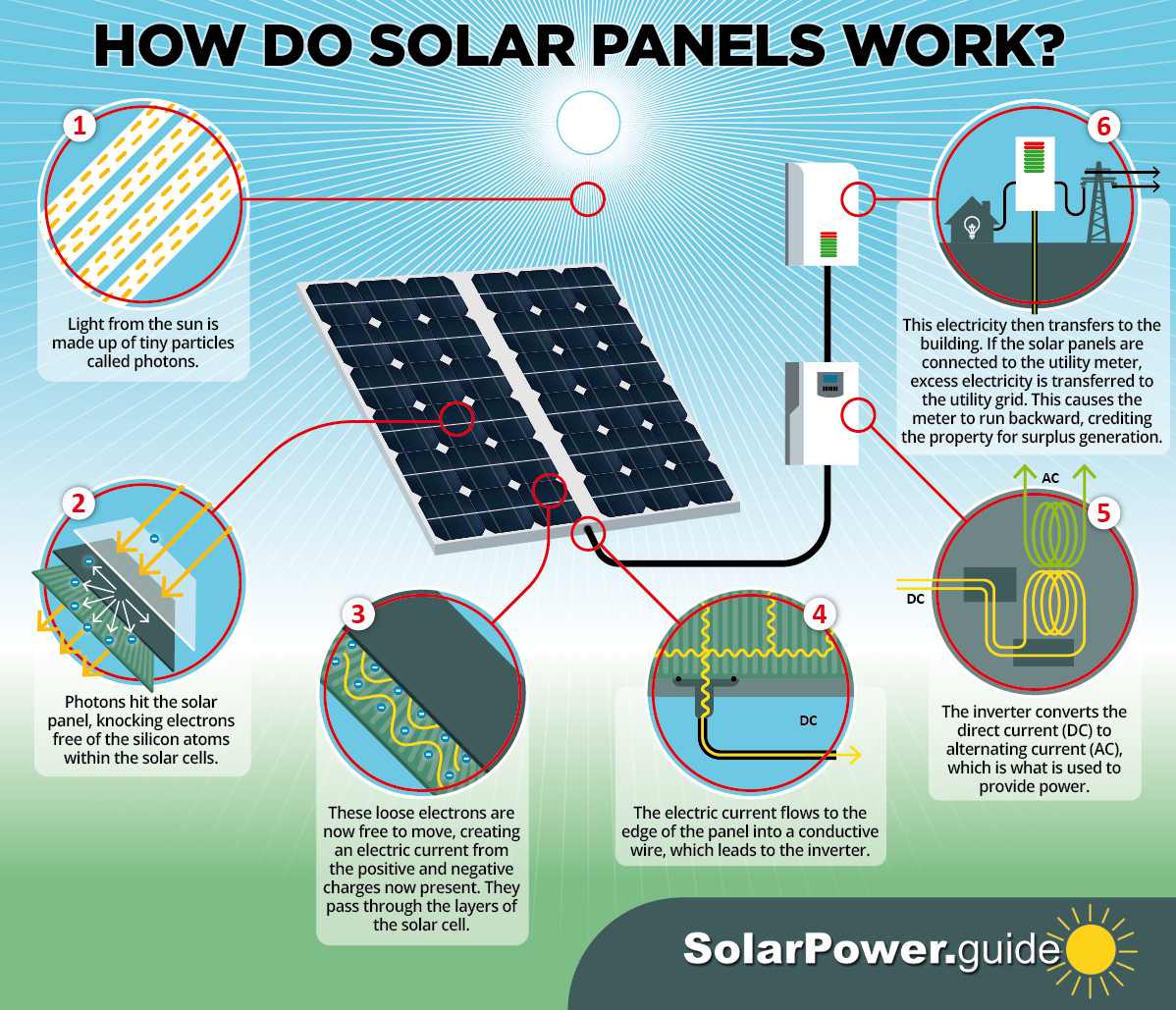
Once it’s AC, that energy can flow straight into your home to power your espresso machine (full circle!), or if you’re making more than you need, it can even send the excess back to the electricity grid, making your meter spin backwards! How cool is that?
So, Not Magic, But Pretty Close, Right?
And that, my friend, is the gist of how solar panels turn sunlight into the juice that powers your life. No real magic wands required, just clever engineering using a very common material and the fundamental laws of physics. It’s a beautifully simple process at its core, allowing us to harness the incredible, free energy raining down on us every single day.
Isn’t it amazing to think that those seemingly passive panels are actually tiny power plants, silently catching those speedy photons and converting them into something so useful? Next time you see a solar panel, give it a little nod. It’s doing some pretty heavy lifting for our planet!