How Do Solar Panels Get Energy
Ever gazed up at our magnificent sun, feeling its warmth on your skin, and wondered about the sheer power it radiates? It's an incredible, constant source of energy, and what's even cooler is that we've figured out some truly ingenious ways to catch a piece of that sunshine and turn it into something incredibly useful – electricity! Learning how solar panels do this isn't just for scientists; it's a fascinating peek into the future of energy, right at our fingertips.
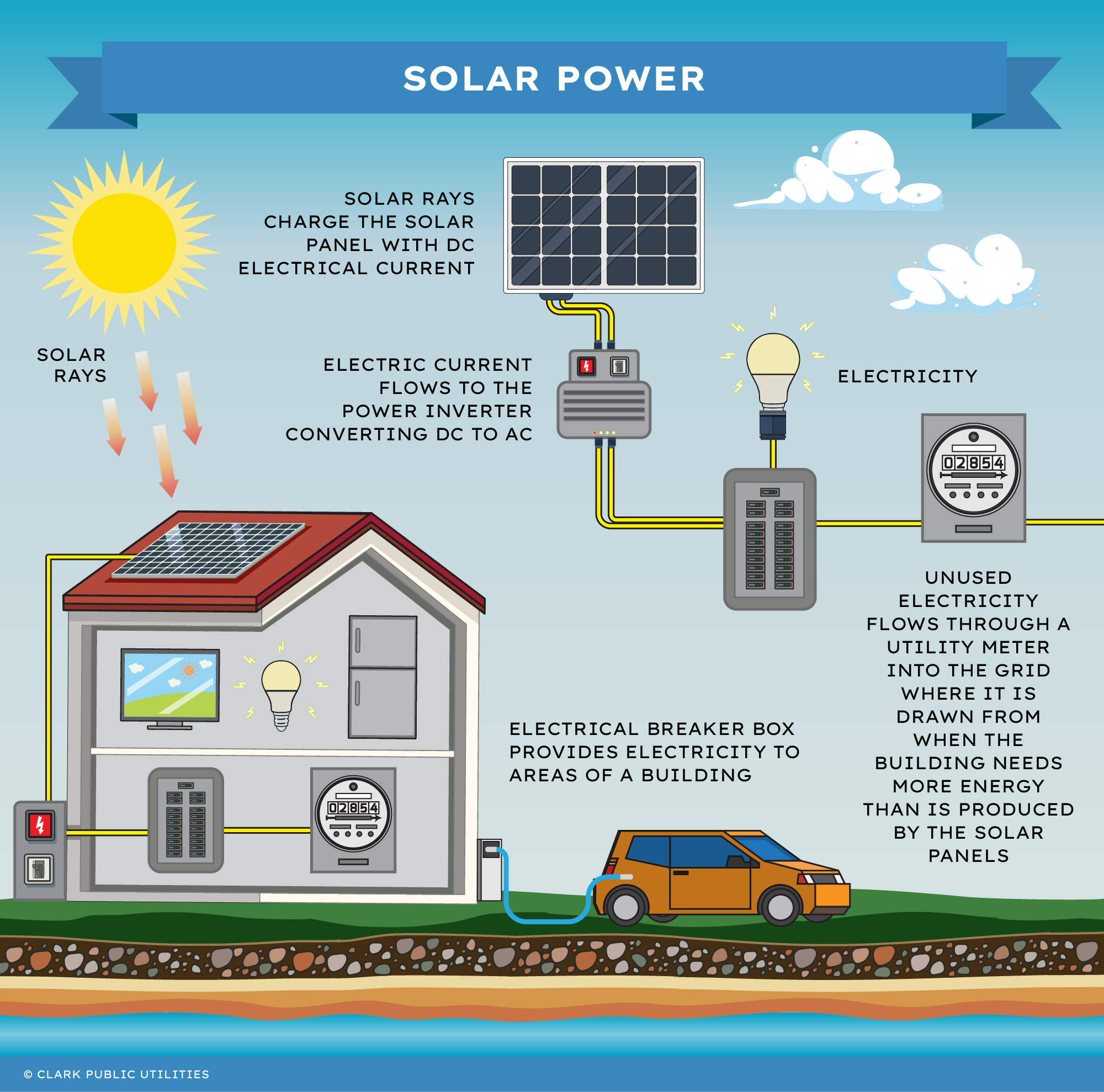
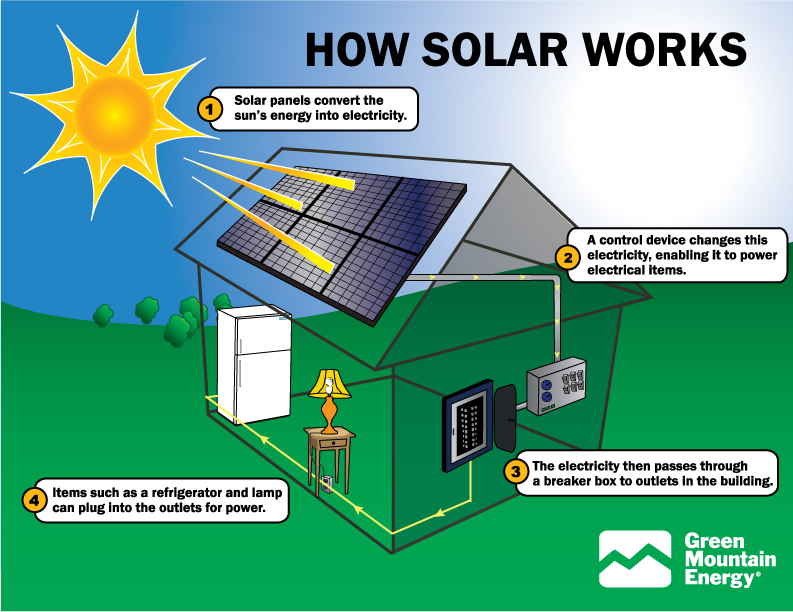
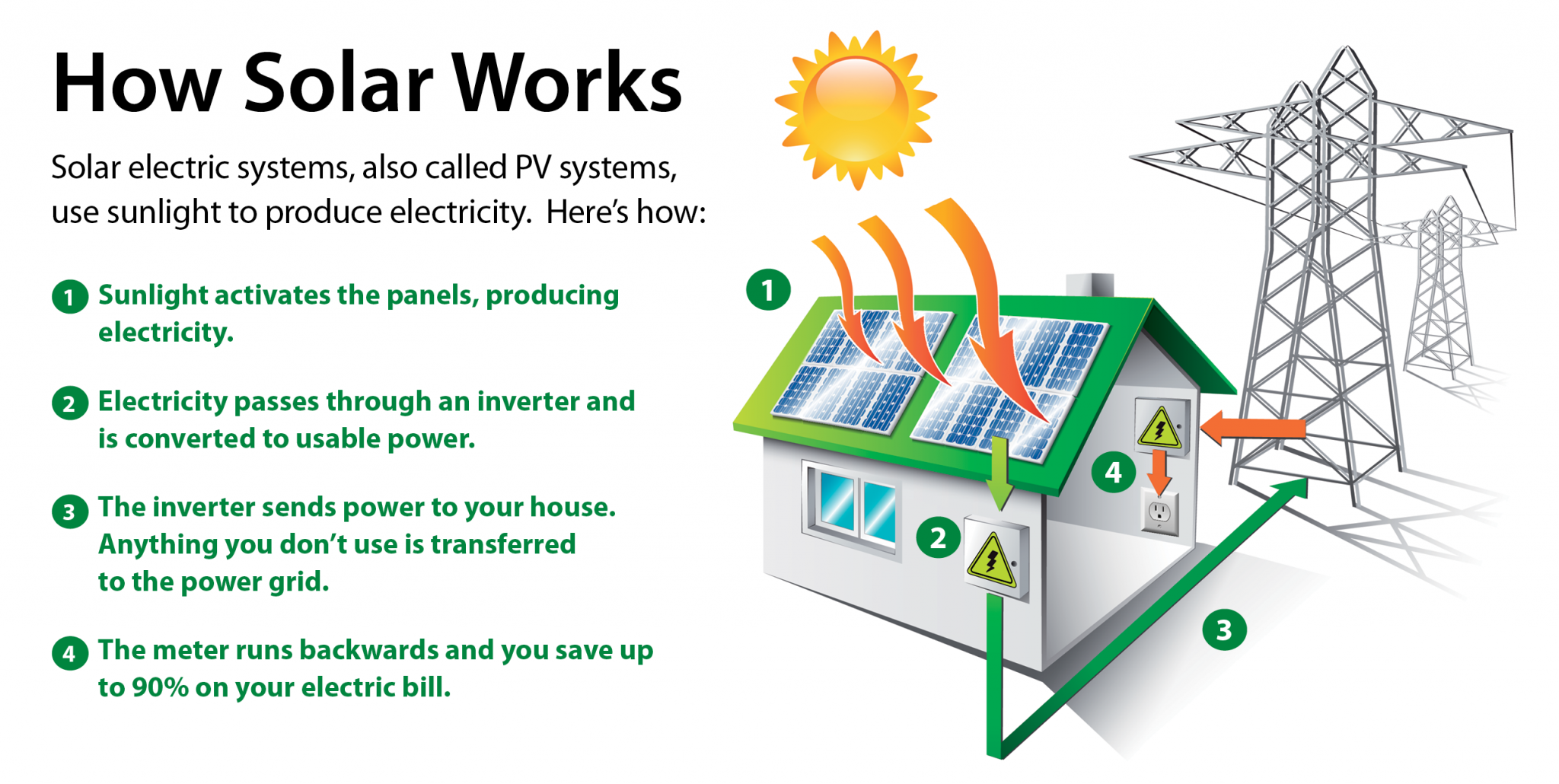
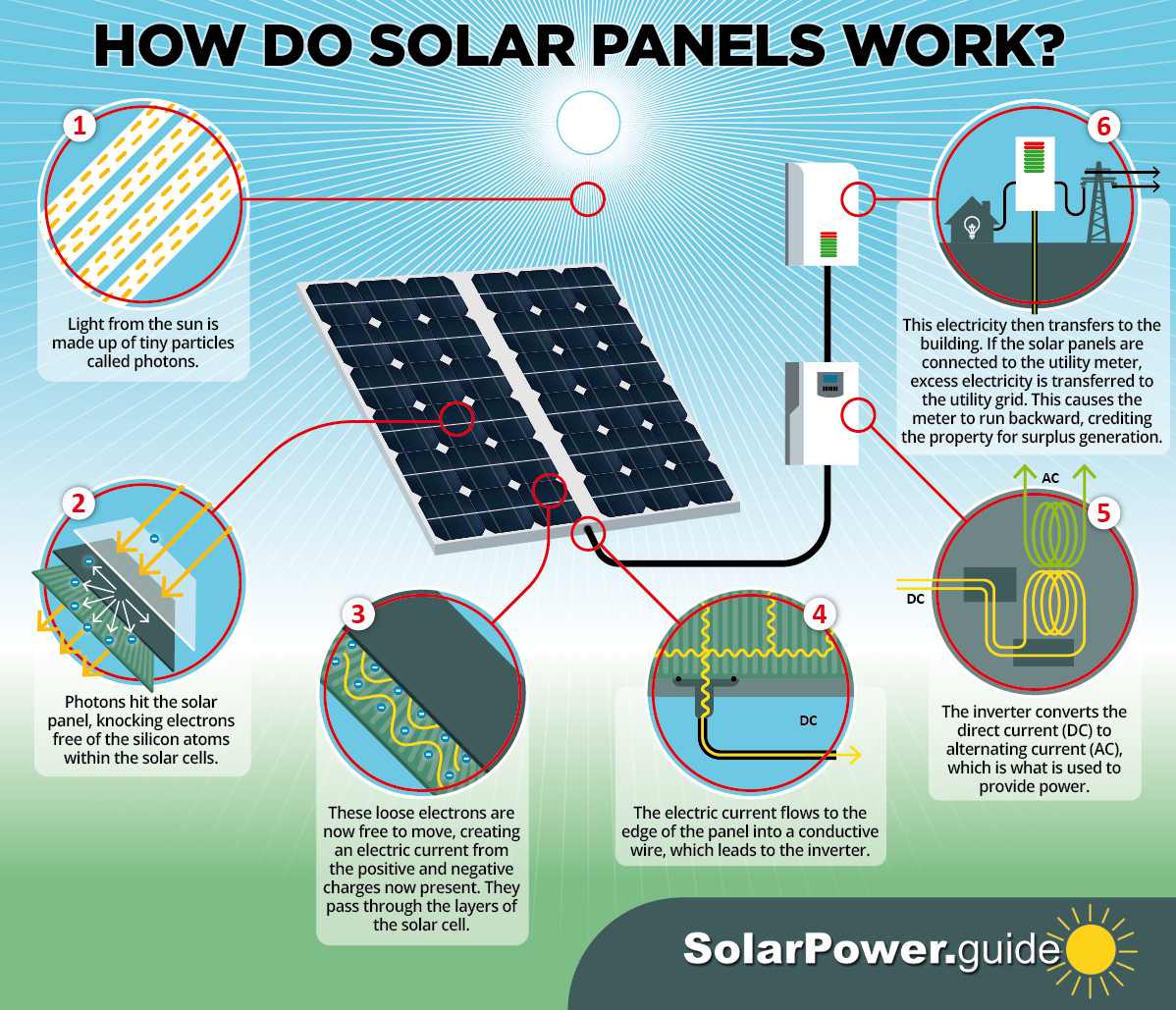
So, what exactly are these sleek, dark panels up to? Their primary purpose is elegantly simple: to transform the energy from sunlight directly into electrical energy. The benefits are huge and multi-faceted. First and foremost, it's clean energy. Unlike burning fossil fuels, solar power produces no harmful emissions, helping us breathe easier and combat climate change. Secondly, it's a renewable resource; as long as the sun shines (which it will for billions more years!), we have an endless supply. For homeowners, this often means lower electricity bills, and for the planet, it means a significant step towards a sustainable future.
You might think solar panels are only for massive power plants or rooftops, but they're actually everywhere in our daily lives, often in surprising places! Take your little solar-powered calculator, for instance; that tiny strip on its face is a miniature solar panel. Those charming garden lights that magically glow at dusk? They've been silently charging themselves all day using small solar cells. On a larger scale, we see them adorning homes, schools, and businesses, providing power directly to the grid. Even satellites orbiting Earth rely on solar panels to keep them running! In education, kids often get hands-on experience, building mini solar cars or powering small fans in science classes, learning about this incredible technology firsthand.
Must Read
Curious to explore this sun-powered magic yourself? It’s easier than you think! One simple way is to find a solar-powered gadget, like a calculator or a garden light. Watch how the calculator dies when you cover its solar strip, then magically springs back to life when exposed to light. Notice how garden lights brighten as the sun sets, powered by the energy they diligently collected all day. If you're feeling a bit more ambitious, many science kits for kids include small solar cells you can use to power tiny motors or LEDs. And for the truly inspired, keep an eye out for local solar farms or public installations; seeing rows upon rows of panels silently converting sunlight into power is a genuinely impressive sight. The sun is a free, powerful resource, and understanding how we harness it is a wonderfully insightful journey!