
How Do Silica Gel Packets Work
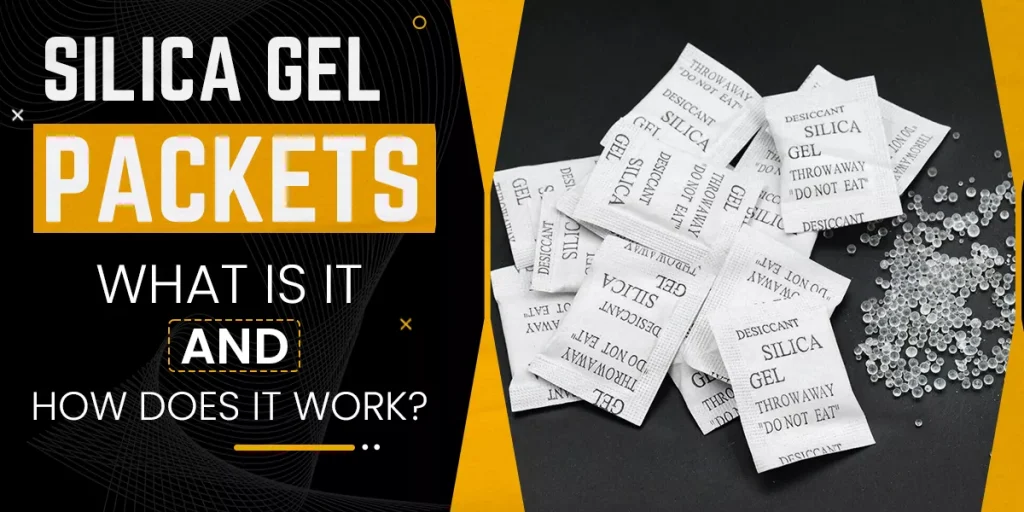
You know those tiny little packets, often tucked into the box of new shoes, nestled amongst vitamins, or hiding in electronics packaging? The ones that boldly declare, usually in all caps, "DO NOT EAT"? Yeah, those.
For years, they were just… there. A mysterious, uninvited guest in our purchases. But have you ever stopped to wonder what they actually do? Or, more importantly, how they pull off their seemingly magical feat? Well, buckle up, because these little silica gel packets are far more fascinating and important than you might imagine. They're like the unsung, microscopic heroes of moisture control!
So, What Is This "Silica Gel" Anyway?
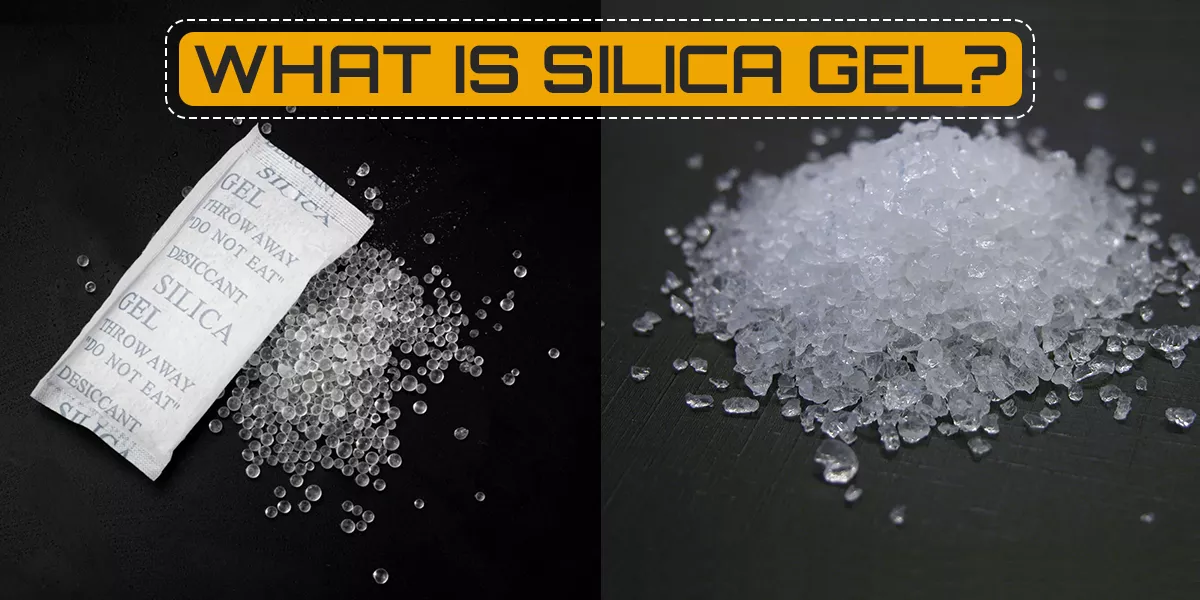
First things first: despite the name, it's not actually a jiggly, edible gel like the kind you put on toast. That's a common misconception! Silica gel is actually a granular, porous form of silicon dioxide – which is a fancy way of saying it's essentially a purified and processed form of sand. Think of it more like tiny, super-dry beads or crystals.
Must Read
Imagine sand, but then poke it full of millions of microscopic holes, tunnels, and crevices. That's closer to what we're dealing with. It’s created by mixing sodium silicate with an acid, which forms a gel-like substance, and then drying and processing it into those familiar little beads or granules. It's incredibly stable, non-toxic, and, crucially, a super-efficient desiccant.
A desiccant? That's just a fancy word for something that dries things out by attracting and holding water vapor. And boy, is silica gel good at it!
The Magic Trick: Adsorption, Not Absorption!
Here’s where it gets really interesting. How does it suck up all that moisture without getting visibly wet itself? The key lies in a process called adsorption, which is subtly but importantly different from absorption.
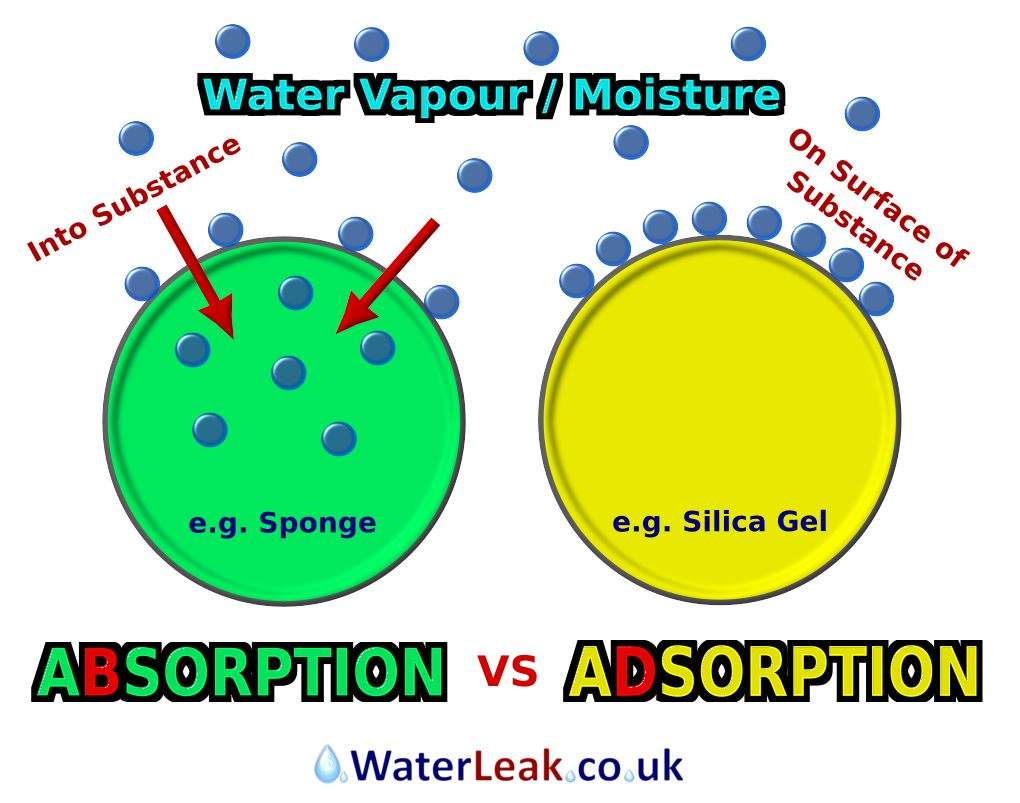
When something absorbs water (think of a sponge soaking up a spill), the liquid actually gets taken into the material, filling its internal structure. But silica gel works by adsorption. This means the water molecules don't get fully integrated into the gel's structure; instead, they cling to the surface of the silica gel beads.
Picture it like this: each tiny silica gel bead is a miniature apartment complex, but instead of people living inside, it's designed with an intricate network of microscopic pores and tunnels. When humid air wafts by, the water molecules in that air are like little partygoers looking for a place to hang out. The surface of the silica gel is incredibly attractive to these water molecules, acting like a powerful magnet. They stick to the walls of these tiny pores, getting trapped and held securely on the surface.
The sheer number of these microscopic pores means that even a small silica gel packet has an enormous amount of internal surface area. We're talking hundreds of square meters per gram! So, while the packet itself looks tiny, its internal 'sticking surface' is vast, allowing it to grab onto a surprising amount of water vapor.
Why Are These Little Packets So Important?
Okay, so they grab moisture. Big deal, right? Wrong! This seemingly simple ability is actually crucial for protecting countless items we use every day. Why? Because moisture is the enemy of many things we value!
Ever bought new shoes only to find them smelling a bit funky from mildew? Or opened a box of electronics to find a little condensation? Moisture can lead to mold and mildew, which not only smell bad but can damage fabrics, leather, and even paper. It also causes rust on metals, ruins photographic film, degrades medication, and can wreak havoc on sensitive electronics by causing corrosion or short circuits.
Those silica gel packets are the silent guardians, vigilantly working to keep the environment around your new leather bag, expensive camera lens, vital medication, or even precious family photos dry and safe. They soak up ambient humidity, preventing these common issues before they even start. It’s like having a tiny, dedicated dehumidifier working 24/7 in your product packaging.
The "DO NOT EAT" Warning: Is It Really Dangerous?
This is probably the most asked question! That stern warning is plastered on every packet, making many of us instantly suspicious. So, what's the deal?

The good news is that silica gel itself, the silicon dioxide part, is generally considered non-toxic. It's inert, meaning it doesn't react with most chemicals, and it passes through your system if ingested without being absorbed. In fact, some forms of silica are even used in food products as an anti-caking agent (though not in this highly porous desiccant form!).
So why the scary warning? Primarily, it's a choking hazard, especially for small children or pets. Imagine a baby mistaking those little beads for candy – a very real danger. Also, while non-toxic, ingesting a large amount could cause a dry mouth, stomach upset, or constipation due to its powerful drying properties. It's not a poison, but it's definitely not food, and it certainly won't taste good!
Some older silica gel packets, particularly those used in industrial settings, might contain a moisture indicator like cobalt chloride, which turns pink when wet. Cobalt chloride is toxic, but these are rare in consumer products. For the vast majority of packets you encounter, the main concern is simply that it's small and not meant for consumption.
Can You Revive These Moisture-Munching Marvels?
Absolutely! The beauty of silica gel is that its moisture-grabbing abilities aren't a one-and-done deal. Once it's full of adsorbed water molecules, you can actually "recharge" it and use it again.
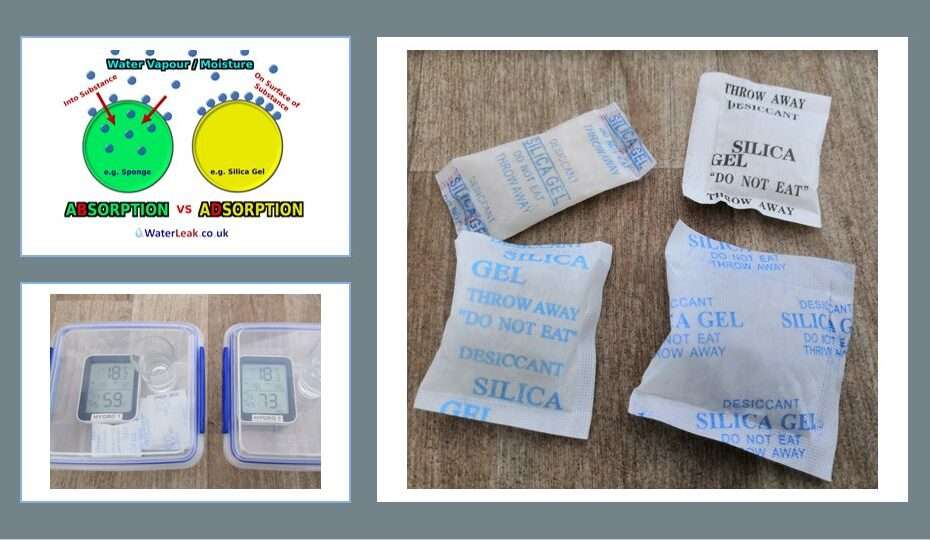
Think of it like a reusable sponge that's gotten full of water. You just need to wring it out! To "wring out" silica gel, you simply need to apply a little heat to drive off the trapped moisture. A low oven setting (around 200-250°F or 90-120°C) for a few hours, or even a cautious spin in the microwave (on low power, in short bursts, and carefully monitoring), can do the trick. You’ll see the beads return to their original clear or whitish, dry state, ready to fight humidity once more!
This makes them incredibly useful for various DIY humidity control projects: tuck them into storage bins with important documents, keep them with your camera gear to prevent fogging, or even pop them into toolboxes to ward off rust.
The Humble Hero
So, the next time you encounter one of these unassuming little packets, don't just toss it aside or wonder why it's there. Appreciate it! These silica gel packets are truly remarkable examples of simple chemistry making a big difference in our everyday lives.
They’re not just warnings; they’re miniature protectors, tirelessly safeguarding our belongings from the invisible threat of moisture, one adsorbed water molecule at a time. Pretty cool, huh?