How Do Photovoltaic Cells Produce Electricity
Ever wondered how those shiny solar panels on rooftops magically turn sunlight into electricity? It's not sorcery, though it kind of feels like it! It's all thanks to the amazing photovoltaic cells, also known as solar cells.
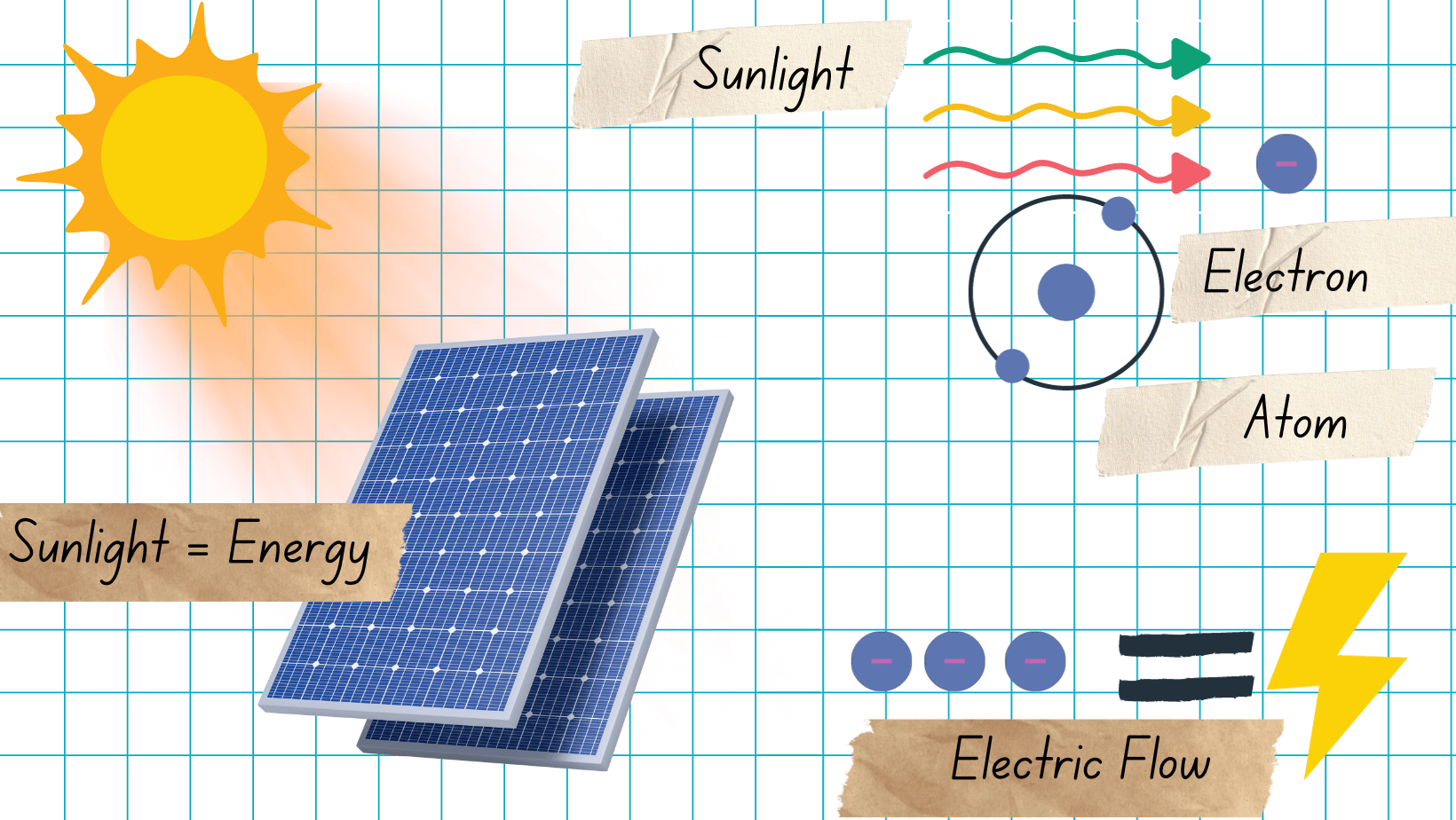
Think of sunlight as a bunch of tiny energy packets called photons. These photons are like little bouncy balls of energy zooming through space, ready to play. Now, imagine a photovoltaic cell as a very special kind of trampoline, designed specifically for photons.
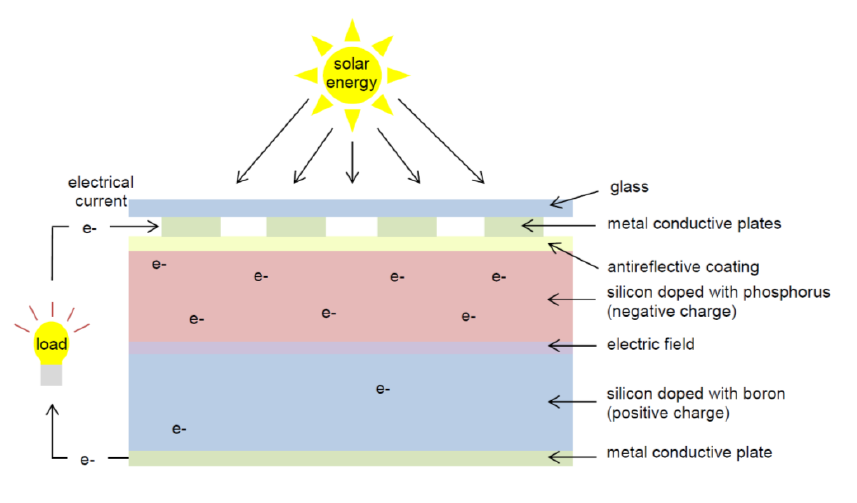
This "trampoline" isn't just any ordinary material. It's usually made of silicon, the same stuff that makes up a lot of our computer chips. But this silicon is a bit different. It's been treated with special ingredients to make it extra sensitive to those photon bouncy balls. We're talking about a doping process, but let's not get bogged down in the technical details. Just imagine adding a little spice to make it react in a super cool way.
Must Read
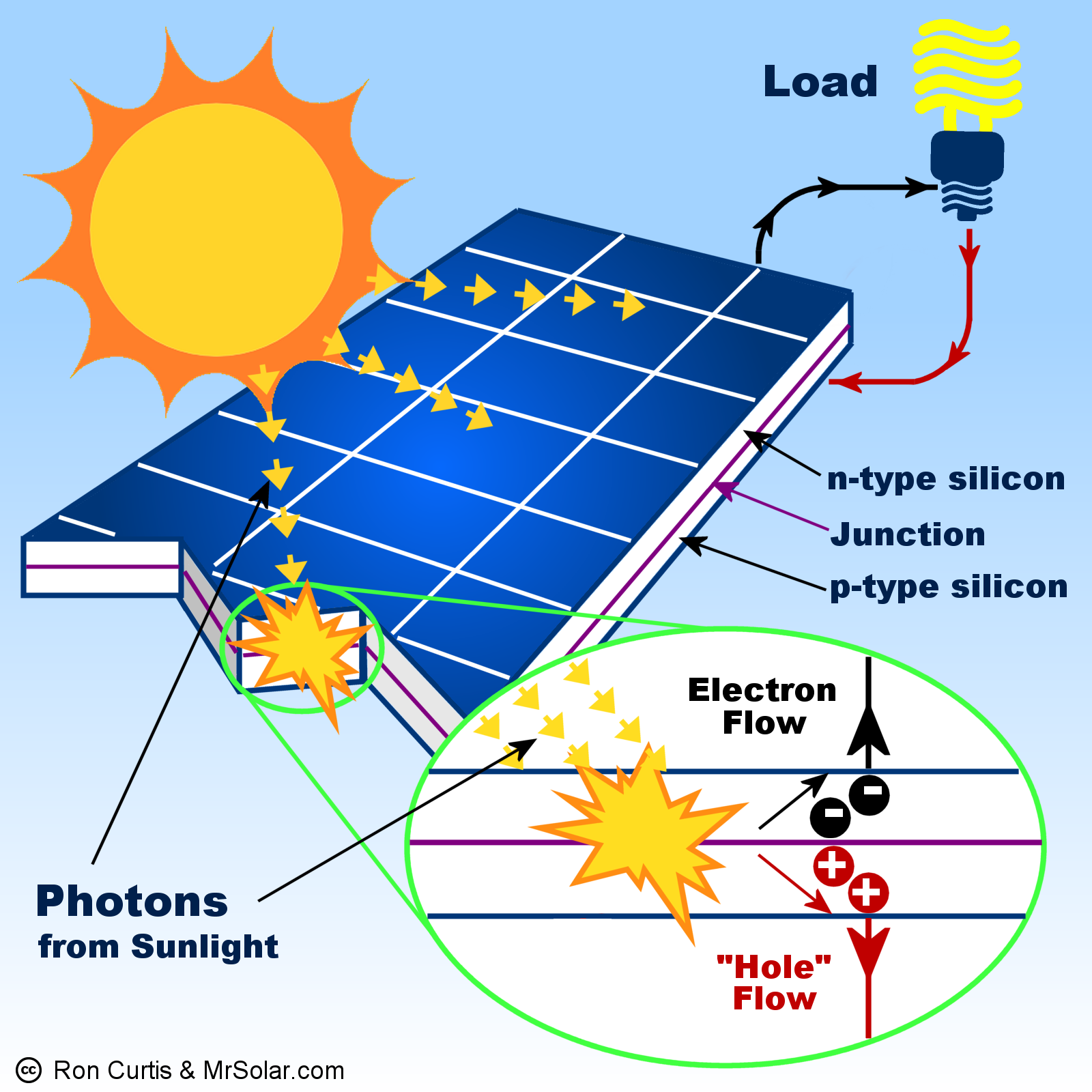
When a photon from the sun hits the photovoltaic cell, it's like that bouncy ball finally finding its trampoline. BAM! The photon's energy gets transferred to an electron, a tiny particle whizzing around inside the silicon. This energy boost is enough to knock the electron loose, setting it free from its atom. Think of it as getting a super-powered launch off that trampoline!
Now, here's where the real magic happens. Remember that special "spice" we added to the silicon? It creates an electric field within the cell. This field acts like a one-way street for electrons. Once an electron is knocked loose, the electric field forces it to move in a specific direction, creating an electrical current. It's like a tiny electric slide for electrons!
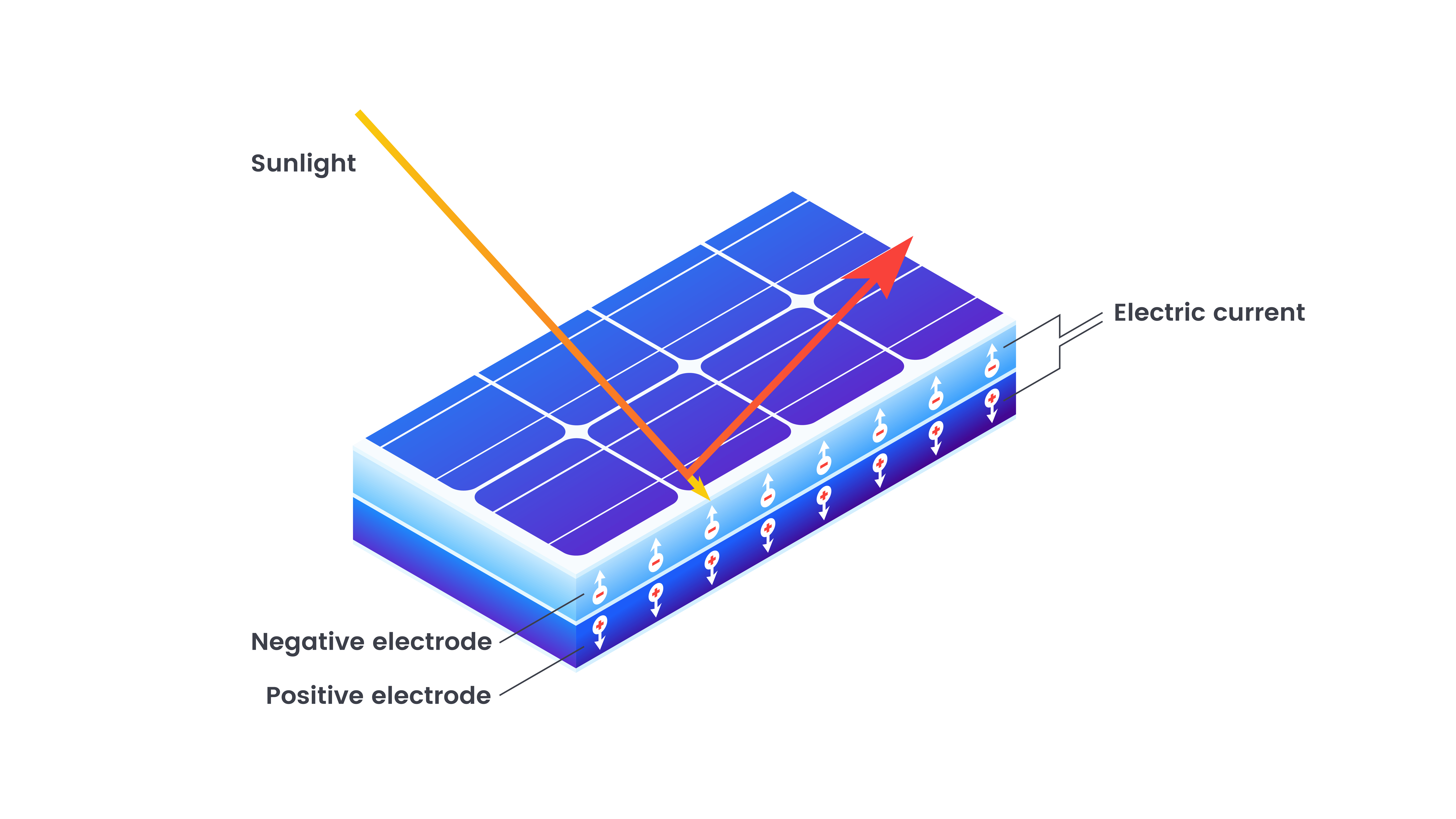
This flow of electrons is electricity! It's the same stuff that powers your lights, your phone, and your toaster. The more photons that hit the cell, the more electrons get launched, and the more electricity is produced. That's why solar panels work best on sunny days.
So, in a nutshell, photovoltaic cells convert sunlight into electricity by:
- Capturing photons from the sun.
- Using the photon's energy to knock electrons loose.
- Using an electric field to direct the flow of these electrons, creating an electrical current.
Why is This So Cool?
Well, for starters, it's harnessing the power of the sun! The sun is a giant ball of energy constantly showering us with free, clean power. Photovoltaic cells allow us to tap into this virtually limitless resource.

Secondly, it's pretty much silent. There are no moving parts in a photovoltaic cell. It just sits there quietly, converting sunlight into electricity. No noise pollution here!
And thirdly, it's getting cheaper and more efficient all the time. Scientists and engineers are constantly working to improve the design and materials of photovoltaic cells, making them more affordable and powerful. The future is looking bright (pun intended!).
Photovoltaic technology isn't just a cool science experiment. It's a crucial part of a sustainable future. By using solar power, we can reduce our reliance on fossil fuels and help protect our planet. Plus, who wouldn't want to power their home with sunshine? It's like having a superpower!
So, the next time you see a solar panel, take a moment to appreciate the tiny, yet mighty, photovoltaic cells inside. They're silently working to make the world a brighter, cleaner, and more sustainable place. Maybe you'll even be inspired to explore the possibilities of solar energy yourself!
The world of solar energy and photovoltaic cells is constantly evolving. Keep an eye out for new advancements and innovations. Who knows, maybe you'll be the one to invent the next generation of solar technology! So go ahead, let the sun shine in...and power your world!