How Do Oil And Natural Gas Form

Ever wonder where the fuel for your car or the warmth in your home actually comes from? It’s not just magic! The story of how oil and natural gas form is actually one of Earth's most incredible, longest-running natural "cooking" shows, happening right beneath our feet. It's a tale of tiny creatures, immense pressure, and a whole lot of time. Let's dive into this epic journey!
The Star Ingredients: Ancient Sea Critters
This amazing process starts with something super small: microscopic life that used to thrive in ancient oceans. We're talking about billions and billions of tiny marine organisms – things like plankton and algae. Imagine a vast, bustling ocean teeming with these little guys, floating around, living their best tiny lives millions upon millions of years ago. They were the original energy-packed snacks of the deep!
When these minuscule creatures died, they didn't just disappear. Instead, their remains gently settled down to the bottom of the sea. They piled up in thick layers, accumulating year after year, century after century. Think of it like a slow, steady snowstorm, but instead of snow, it's organic material gently settling on the ocean floor.
Must Read
The Great Burial: Getting Tucked In
Now, here’s where things start to get interesting. Over vast stretches of time, more and more sediment began to pile on top of these organic layers. We're talking about mud, sand, and other bits of rock washing in from land or settling out of the water. This is like Earth slowly burying its treasures. Layer after layer, these sediments pressed down, compacting everything below.
"Imagine a giant, super-slow-motion lasagna being built, with ancient organic matter as the delicious filling, and layers of rock as the pasta!"
As these layers grew thicker and deeper, the pressure increased dramatically. It was like putting an incredibly heavy blanket, hundreds or even thousands of feet thick, on top of those buried organic remains. This burial process moved them far away from oxygen, which is key. Without oxygen, they couldn't simply decompose and vanish. They were preserved, ready for their grand transformation.

The Earth's Pressure Cooker: Heat and Pressure
This is where the real magic happens! As the organic material got buried deeper and deeper, two powerful forces came into play: immense heat from Earth's interior and incredible pressure from all those layers of rock above. It's like putting those ancient marine organisms into Earth's very own, extremely slow-moving pressure cooker.
Under these intense conditions, over millions of years, the organic matter literally "cooked." It didn't burn, but it chemically changed. First, it transformed into a waxy substance called kerogen. This kerogen is essentially the raw material for both oil and natural gas. It’s a bit like the starter dough for a very long-rising bread.

Given even more time, and depending on just how hot and pressurized things got, that kerogen continued its transformation. If the temperature was just right, it broke down into liquid crude oil. If it got even hotter, it broke down further into lighter, gaseous molecules, forming natural gas. It's all about the perfect geological recipe and cooking time!
The Great Migration: Finding a Home
Once formed, oil and natural gas don't necessarily stay put. They are lighter than water, and they are always looking for a way to move upwards. They slowly migrate through tiny pores and cracks within the surrounding rocks, kind of like water seeping through a sponge. This journey can take them from their deep "source rock" to other areas.
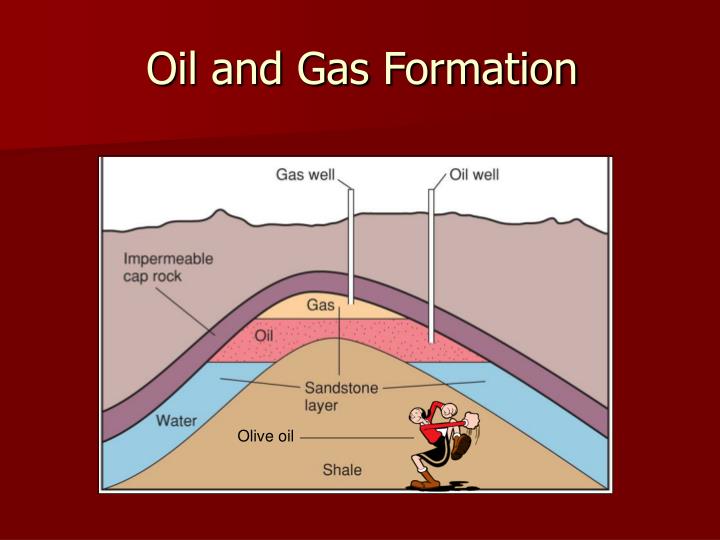
They keep moving until they hit a snag – a special kind of geological structure that acts like a natural trap. These traps are often layers of impermeable rock (rock that oil and gas can't easily pass through) that are shaped in domes or folds. These formations act like giant underground bottles, holding the oil and gas in place. Without these natural traps, the oil and gas would simply keep migrating upwards until they eventually seeped out at the surface.
An Everyday Marvel
So, the next time you fill up your car, turn on your stove, or even just consider the incredible energy sources around us, take a moment to appreciate this mind-boggling process. From microscopic life in ancient oceans to deep burial, intense heat and pressure, and a long journey through rock formations, it’s an epic saga.
"It's truly Earth's ultimate slow-cooker masterpiece, a testament to geological time and the persistent power of our planet!"
The formation of oil and natural gas is not just science; it’s an amazing, long-running natural phenomenon that continues to fascinate scientists and engineers alike. It’s a secret history buried deep within our planet, patiently waiting for us to uncover it. How cool is that?