
How Do Motion Sensors Lights Work

Ever walked up to your front door at night, arms full of groceries, and just as you’re fumbling for your keys, poof – the porch light clicks on? Or maybe you’ve wandered into a dark pantry, and before you can even think about finding the switch, a friendly glow illuminates your path. It feels a bit like magic, doesn’t it? Like the house itself knows you’re there and is giving you a little helpful wink.
Well, dear reader, that “magic” isn’t pixie dust or wizardry; it’s the clever work of motion sensor lights, and trust me, they're surprisingly simple and delightfully smart!
The Secret Sauce: How They "See" You (Without Eyes!)
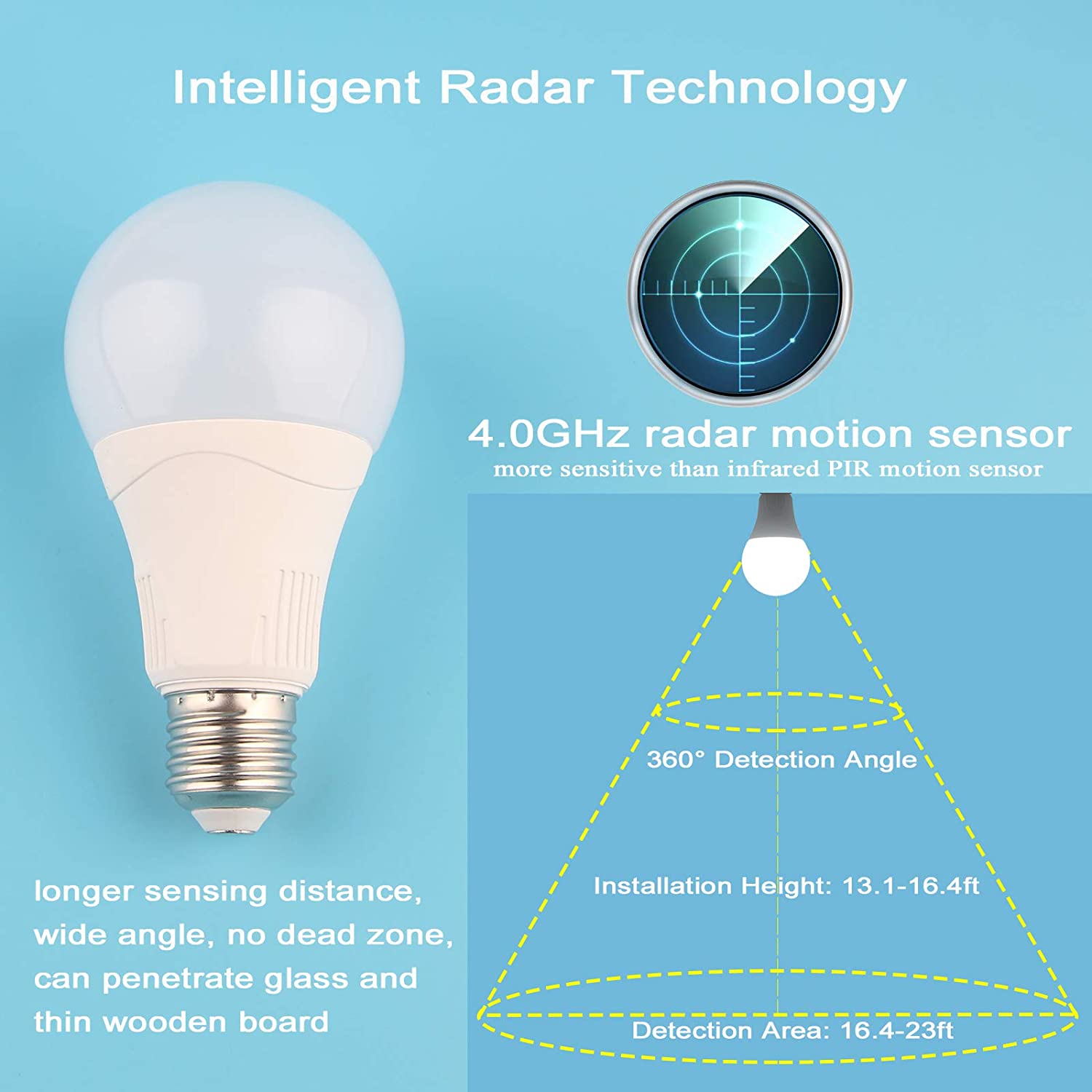
Most of the motion sensor lights you encounter every day, from your driveway to your kitchen, use something called a Passive Infrared (PIR) sensor. Sounds super techy, right? But think of it this way: everything that’s warm – including you, me, and even your beloved furry friends – gives off a tiny amount of invisible heat energy, which we call infrared radiation. It’s like our own personal, warm glow that only special sensors can detect.
Must Read
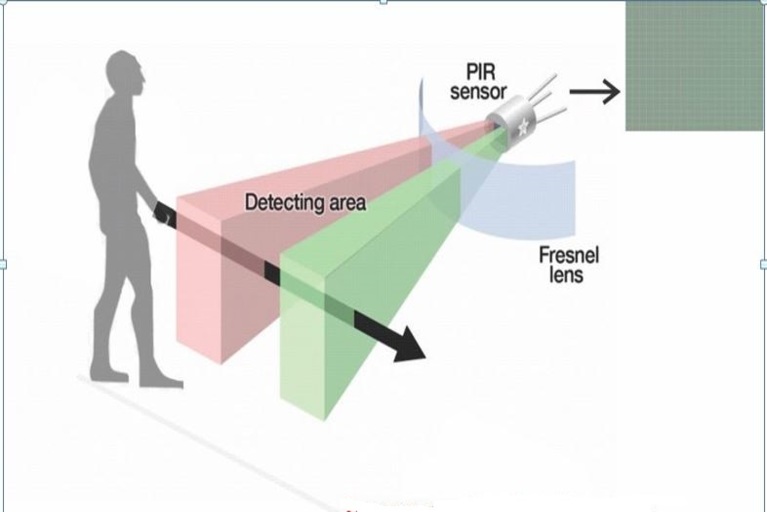
Imagine the sensor as having a bunch of tiny, watchful eyes, each looking at a different sliver of the world. It’s not seeing images like a camera; instead, it’s constantly measuring the infrared energy in its field of view. When a warm body (that’s you!) moves from one of these "slices" to another, it creates a sudden, noticeable change in the infrared pattern. It’s like a ripple on a pond, but instead of water, it’s a ripple of heat.
The sensor instantly picks up on this shift and says, "Aha! Something warm just moved!" Think of it like a very patient bouncer at a club, but instead of checking IDs, they're checking for moving heat. When your body heat crosses their invisible line of sight, they give the signal, and boom – the lights come on! They're passive because they don't send out any energy themselves; they just passively sit there, waiting to sense your natural warmth. Pretty neat, huh?
More Than Just On/Off: The Brainy Bits
But it's not just about sensing heat. These clever devices have a little "brain" that lets them do even more. This brain (a small control circuit) takes the signal from the PIR sensor and makes some smart decisions. For instance, have you ever noticed your motion light doesn't turn on during the day?
That's thanks to a little helper called a photocell (or light sensor). It acts like the sensor's eyes, telling it, "Hey, it's already bright out here, no need to waste energy!" So, your motion light is smart enough to only do its job when it's actually dark, saving you precious pennies and keeping the planet a little greener. It's like it wears tiny sunglasses during the day and only takes them off when the sun sets.
You can also usually tweak a few settings, making these lights even more personalized:
- Sensitivity: This decides how much movement, or how big a heat signature, is needed to trigger the light. If your light keeps popping on every time a squirrel has a midnight snack on your lawn, you might want to dial down the sensitivity a bit. It’s like setting the alarm on your car – do you want it to go off for a gentle breeze or only for a determined thief?
- Duration: This setting determines how long the light stays on once triggered. Just enough time to get to the fridge and back with a snack? Or long enough to unload all those groceries and find your keys? You get to decide. It’s like setting a timer for your cookies – just the right amount of time for a perfect bake!
Why Should We Even Care? The Perks of Being Noticed
Beyond the cool factor, motion sensor lights are actually super useful in our daily lives. Think about it:
Convenience is King (or Queen!): Imagine coming home on a dark, rainy night, juggling an umbrella, your purse, and a fussy toddler. The last thing you want to do is struggle with a light switch. With a motion sensor light, your path is magically lit, making your entry smooth and stress-free. It's like having a personal butler for your lighting!

Safety First, Always: Dark pathways and stairwells are an open invitation for accidental trips and falls. A motion sensor light eliminates those shadowy surprises, keeping you and your loved ones safe. Plus, they're a fantastic deterrent for any unwelcome visitors. A sudden flood of light can make someone think twice about lurking, sending them scurrying away like vampires from sunlight. It's like having a friendly, silent guardian watching over your home.
Saving Energy, Saving Money: This is a big one! How many times have you accidentally left a light on in an empty room? Guilty as charged! Motion sensor lights ensure that illumination is only provided when it's genuinely needed. No more lights burning away in a vacant garage or utility room. This translates directly into lower electricity bills and a happier wallet. Your bank account will be giving these lights a standing ovation!
Peace of Mind: Knowing that your exterior lights will automatically illuminate if someone approaches your property, or that an interior light will guide your way through a dark house, brings a wonderful sense of security and ease. It's a small detail that makes a big difference in making your home feel safer and more welcoming.

A Few Quirks (and Smiles)
Sometimes, your motion sensor might seem a bit overzealous, turning on for no apparent reason. Chances are, it spotted a neighborhood cat on its nightly patrol, a particularly enthusiastic gust of wind rustling a bush, or even the warm exhaust from a passing car. It’s just doing its job, bless its heart! If it's too frequent, remember that sensitivity dial? A little tweak might solve it.
Other times, you might walk right past it and nothing happens! This could be because the light level is still too high (remember the photocell's sunglasses?), or perhaps you walked too slowly or directly towards the sensor, not crossing enough "slices" of its detection zone to trigger it. A little sideways shuffle next time might do the trick!
The Everyday Marvel
So, there you have it! The "magic" behind your motion sensor lights isn't magic at all, but rather a brilliant application of basic physics and clever engineering. These silent sentinels are working hard every day to make our lives a little easier, safer, and more energy-efficient. The next time a light pops on just when you need it, take a moment to appreciate this unsung hero of convenience. It’s a small piece of tech, but it certainly makes a bright difference!