How Do I Stop Drafty Windows

Ever found yourself snuggled under a blanket indoors, yet still feeling that inexplicable chill crawling up your spine? Or maybe you’ve walked past a window and felt a subtle, unwelcome breeze, even when it’s firmly shut? Welcome to the world of drafty windows! It’s a common household mystery, and unravelling it isn't just about getting cozy; it's a fascinating dive into home efficiency that can save you money and make your living space truly comfortable. Thinking about those sneaky drafts as tiny portals to the outside world makes tackling them feel a bit like a fun, domestic detective mission!
The primary purpose of addressing drafty windows is wonderfully straightforward: to keep the air you're paying to heat or cool inside your home, and the unwanted outside air out. The benefits are immediate and long-lasting. First and foremost, you’ll notice a dramatic improvement in your home's overall comfort. No more cold spots near windows, no more feeling like you're heating the great outdoors. Secondly, and perhaps most compellingly, you'll see a noticeable dip in your energy bills. Heating and cooling account for a significant portion of household energy consumption, and stopping drafts is one of the most cost-effective ways to reduce that drain. Beyond comfort and savings, a well-sealed home can also offer better sound insulation, creating a quieter, more peaceful environment.
This isn't just obscure building science; it has real-world applications everywhere. In daily life, understanding and fixing drafts is a fundamental skill for any homeowner or renter looking to manage their budget and maintain a comfortable living space. It’s part of preparing for winter or summer, a simple DIY project that yields big returns. In an educational context, it's a fantastic hands-on lesson in basic physics – exploring concepts like convection and heat transfer. Kids can learn about energy conservation by helping to identify drafts, understanding why warm air rises and escapes, and how sealing gaps helps keep that precious heat in. It’s practical science that empowers individuals to be more environmentally conscious and self-sufficient in maintaining their homes.
Must Read
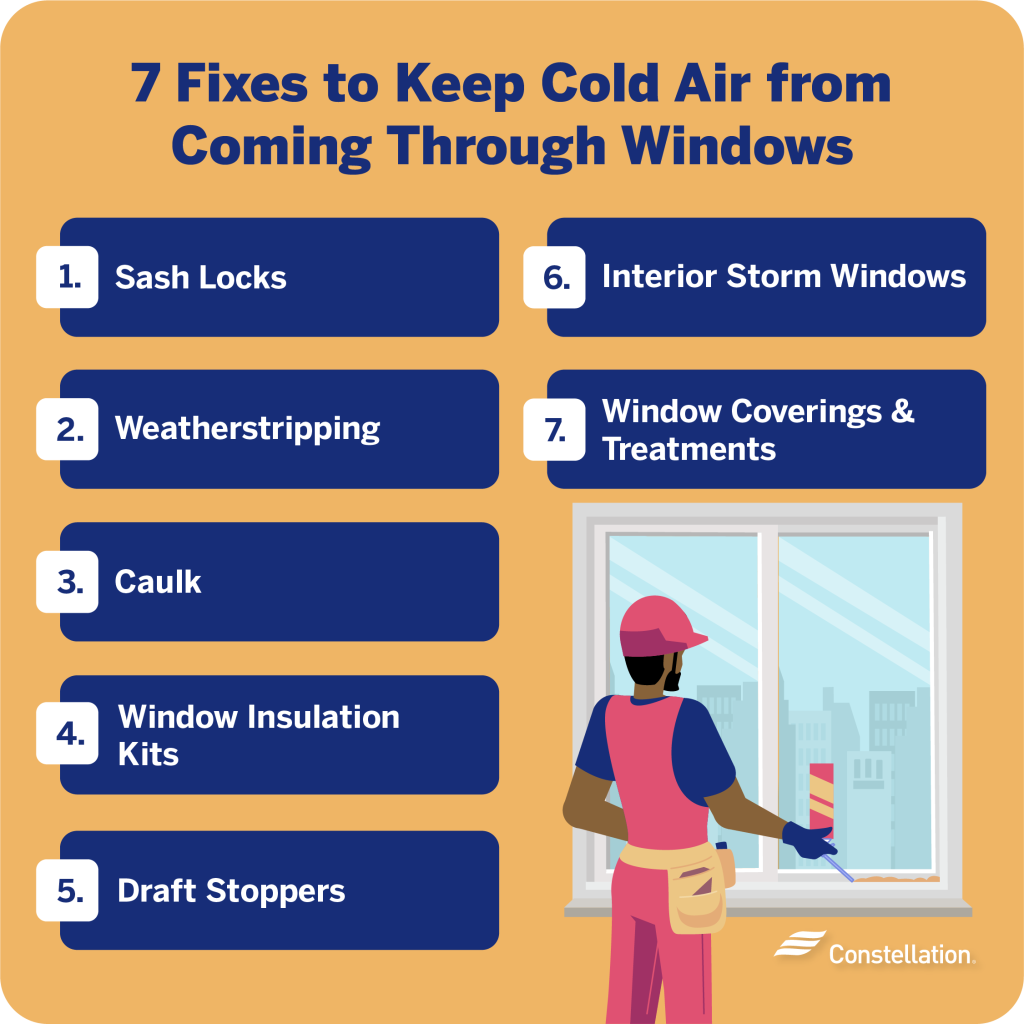
Ready to become a draft detective yourself? It's surprisingly easy to explore. The simplest method is the "hand test": on a cold day, slowly move your hand around the edges of a closed window, feeling for any cold air currents. For a more visual approach, try the incense stick test: light an incense stick and hold it near the window frame. If the smoke wavers or is drawn into or pushed away from a gap, you've found a draft! Once identified, solutions can be wonderfully simple. For temporary fixes, consider adhesive weatherstripping for movable sashes, or a roll of removable rope caulk for stationary gaps. For a more robust, long-term solution around the fixed frame, a good quality exterior caulk can work wonders. And don't forget the power of heavy curtains or thermal blinds, which act as an extra layer of insulation. These small efforts add up, transforming a chilly spot into a snug haven, one sealed gap at a time!
Hoping this meets your requirements! Let me know if you need any adjustments.