How Do I Start Buying A House
Ever found yourself scrolling through beautiful home listings online, dreaming of a space that's truly yours? Maybe you've mused about painting a wall a wild color without needing a landlord's permission, or planting a garden that grows with your family. Buying a house can feel like climbing Mount Everest – a monumental task shrouded in mystery and intimidating jargon. But what if we told you that starting the journey is less about grand leaps and more about taking curious, relaxed first steps? It’s not just about reaching the summit; it’s about enjoying the trek and learning along the way. This isn't just a financial transaction; it's often a significant life milestone.
The purpose of exploring "how to buy a house" isn't to sign on the dotted line tomorrow, but to demystify the process. It's about empowering yourself with knowledge so that when you are ready, the path feels less like a maze and more like a well-lit road. The benefits are profound: beyond having a stable roof over your head, owning a home means building equity – essentially, your financial stake in the property grows over time, potentially giving you a significant asset. It offers a sense of stability, belonging, and the freedom to truly make a space your own. Imagine hosting holidays in your own dining room, or watching your kids grow up in a backyard you've cultivated. These are tangible benefits that come with thoughtful preparation.
So, how do we begin to “learn” about buying a house in our daily lives or through educational avenues? Think of it like a fascinating adult scavenger hunt! In an educational context, many community colleges and financial institutions offer free or low-cost workshops on homeownership, budgeting, and understanding credit. Online, resources like the Consumer Financial Protection Bureau (CFPB) or trusted financial blogs provide invaluable, easy-to-understand guides. In daily life, it's about subtle observations and conversations: listening to friends who've recently bought a home, noticing interest rates mentioned in the news, or simply keeping an eye on property values in neighborhoods you like. It's about developing a financial literacy muscle, understanding how saving, spending, and credit scores play a role.
Must Read
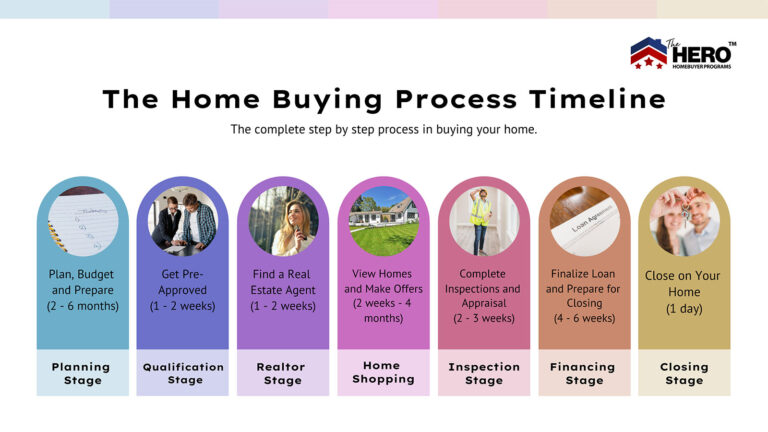
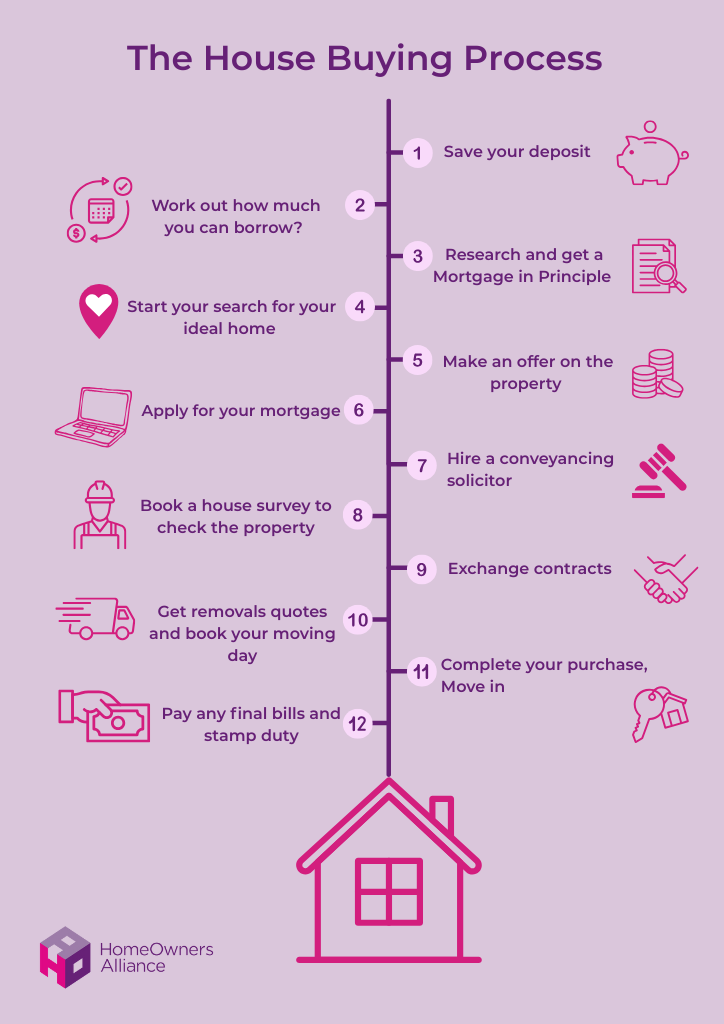
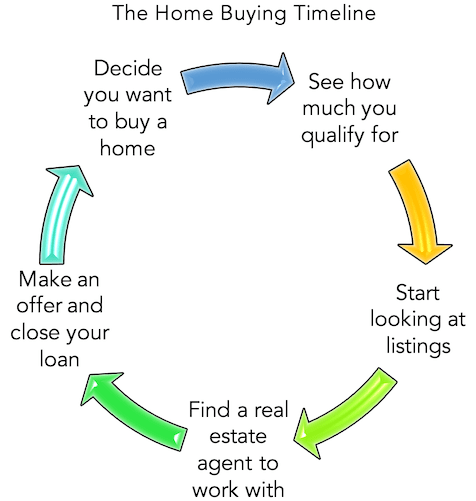
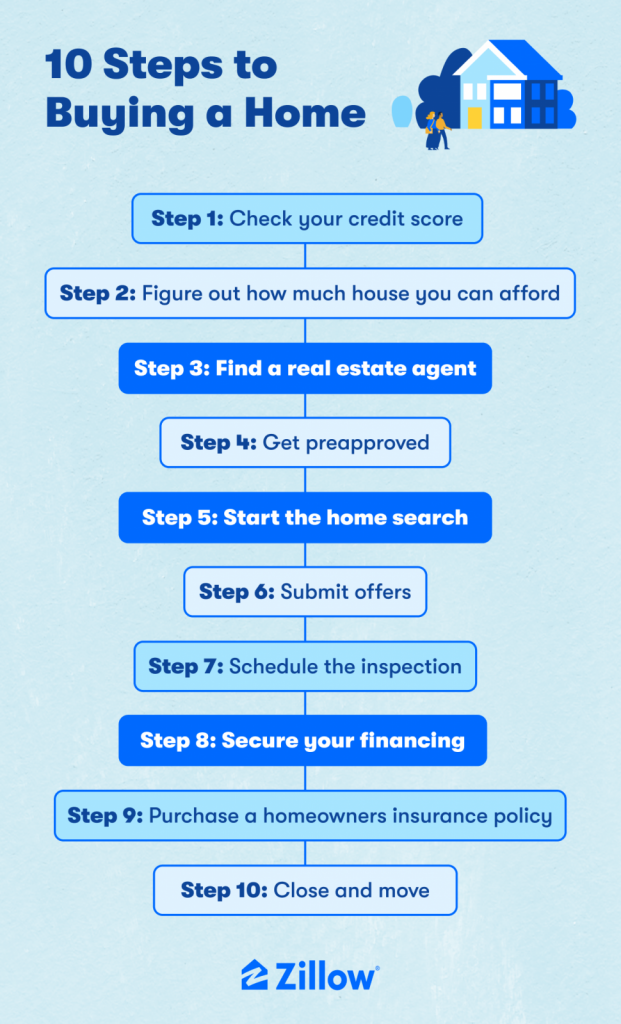
Ready to dip your toes in without feeling overwhelmed? Here are some simple, practical tips to start your home-buying exploration. First, don't just dream; research! Spend a few hours a month reading beginner's guides on mortgage types, down payments, and closing costs. You'll quickly see patterns and common terms emerge. Second, start paying attention to your credit score. This magical number heavily influences what kind of loan you can get. Websites often offer free credit reports and tips for improvement. Third, consider opening a dedicated "house fund" savings account, even if you only put in a small amount each month. It's a symbolic step that makes the goal feel more real. Finally, and perhaps most enjoyably, visit a few open houses. You don't need to be ready to buy; just wander through, get a feel for different layouts, notice what you love and what you don't. It's a fantastic way to refine your taste and understand the market without any pressure. Remember, buying a house is a journey, not a race. Start curious, stay informed, and enjoy the adventure of preparing for your future home!