How Do I Know If My Windows Are Hurricane Proof

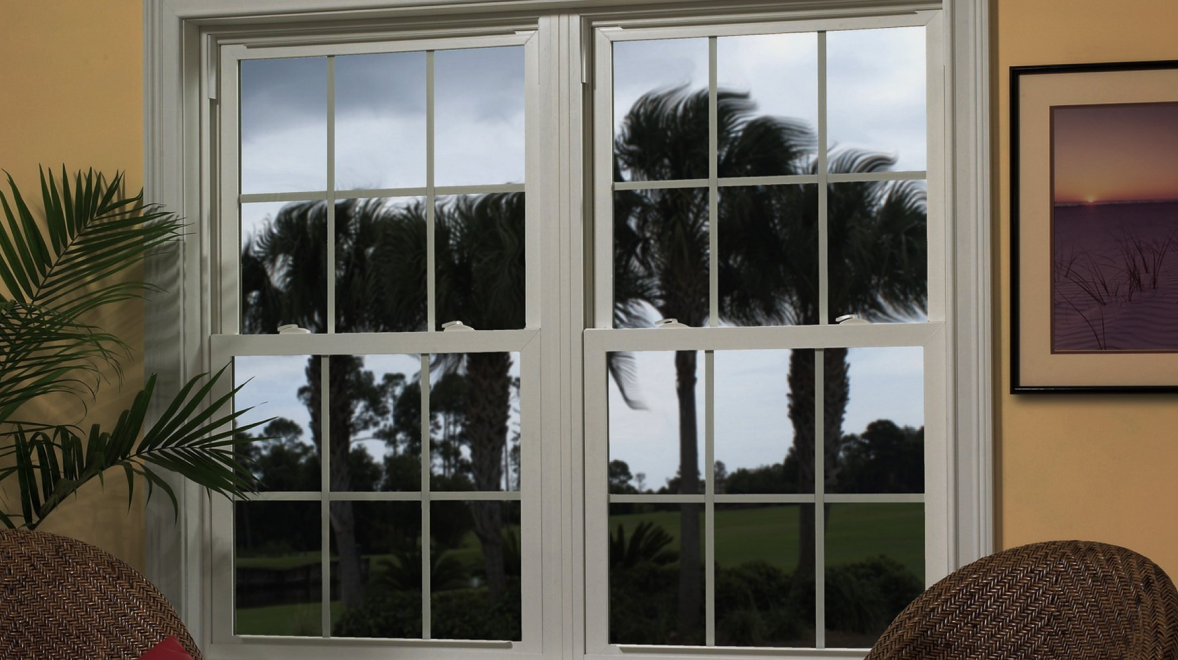
Ever wondered if your windows are tough enough to stand up to a serious storm? It's not just a question for those living in hurricane-prone areas. Understanding window resilience is about peace of mind and potentially saving a lot of money in the long run. Think about it – a shattered window isn’t just a pane of glass; it’s an invitation for wind, rain, and all sorts of mayhem to enter your home. Knowing your windows’ capabilities is like having a secret superpower against the elements.
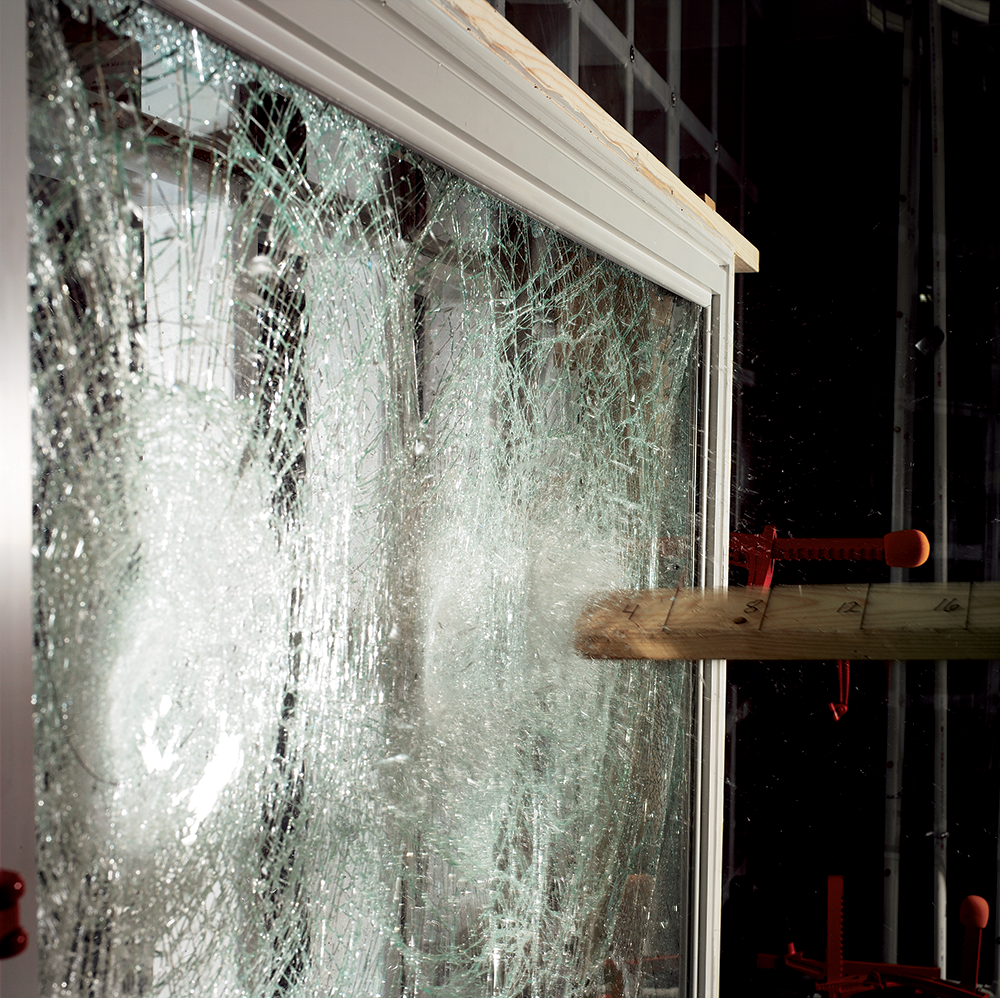
The purpose of knowing if your windows are hurricane-proof, or more accurately, impact-resistant, is about protection. It's about safeguarding your family, your possessions, and your home's structural integrity. Standard windows can shatter easily under the force of flying debris, creating a dangerous breach in your home's defenses. Impact-resistant windows are designed to withstand these impacts, often featuring laminated glass or a special film that holds the glass together even if it cracks. The benefits are clear: reduced damage from storms, potential savings on insurance premiums (check with your insurer!), and increased security against intruders.
Consider how this knowledge can be used in education. Imagine a science class discussing the properties of materials and the importance of structural engineering. Demonstrating the difference between standard and impact-resistant glass would be a compelling visual lesson. In daily life, knowing your windows’ capabilities can inform your decisions about home improvements and emergency preparedness. Are you considering replacing your windows? Learning about impact resistance should be a key factor in your choice. Preparing for an approaching storm? Knowing your windows are strong can allow you to focus on other essential tasks instead of scrambling to board them up.
Must Read
So, how do you actually tell if your windows are up to the challenge? Unfortunately, it’s not always obvious just by looking at them. Here are a few practical tips to explore:
- Look for a Label: The easiest way is to check for a permanent label or etching on the window itself. This label might indicate that the window meets specific standards for impact resistance, such as those set by the American Society for Testing and Materials (ASTM) or the Miami-Dade County protocols. Look for codes like "ASTM E1996" or "ASTM E1886."
- Check Your Paperwork: Dig through your home's construction documents or any receipts you might have from when the windows were installed. These documents should specify the type of windows and their impact resistance ratings.
- Consult a Professional: If you're unsure, the best approach is to contact a qualified window contractor or inspector. They can assess your windows and provide expert advice. A professional can properly identify the type of glass and framing used, and confirm if it meets hurricane-resistant standards.
- The Tap Test (Use with Caution!): While not definitive, gently tapping on the glass can sometimes give you a clue. Impact-resistant glass often has a slightly different sound and feels thicker than standard glass. However, be very careful not to apply too much pressure, as you could crack the glass! This method is really only useful if you have something to compare it to.
Understanding window resilience is an empowering piece of knowledge. By taking the time to investigate your windows, you're taking a proactive step towards protecting your home and loved ones. So, start exploring! Your future self might thank you for it.