How Do I Know If It's My Battery Or Alternator
Let's face it, few things are quite as disheartening as turning the key in your ignition and hearing... nothing. Just a sad little click, or worse, a drawn-out, weak attempt at starting. It’s like your car is sighing at you, silently judging your life choices. While you might be tempted to curse the automotive gods, the culprit is usually one of two suspects: your battery or your alternator. Knowing the difference between the two can save you time, money, and a whole lot of frustration.
Why is this knowledge important? Well, understanding the roles of your battery and alternator allows you to diagnose car troubles more accurately, preventing unnecessary repairs. It allows you to potentially fix the issue yourself, saving on labor costs at a mechanic. More importantly, it helps you avoid being stranded on the side of the road at the worst possible moment. Think about it: knowing the signs could mean the difference between making that important meeting, or calling a tow truck in the pouring rain.
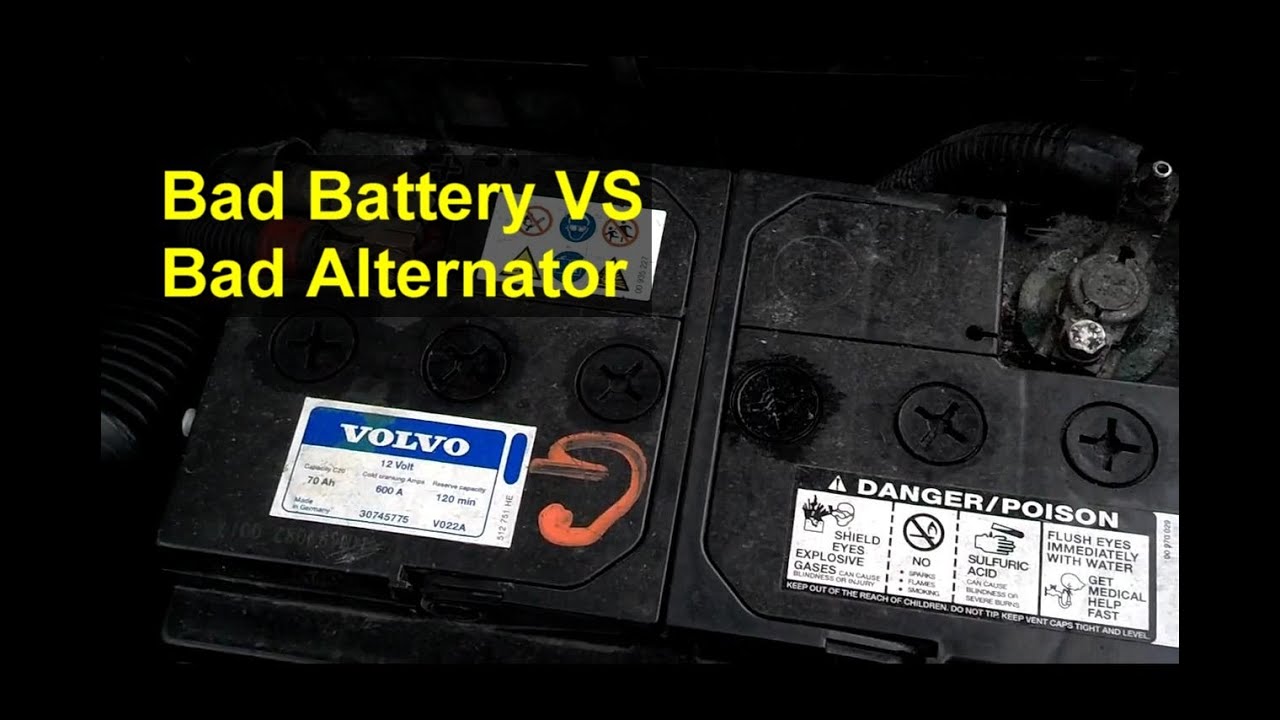
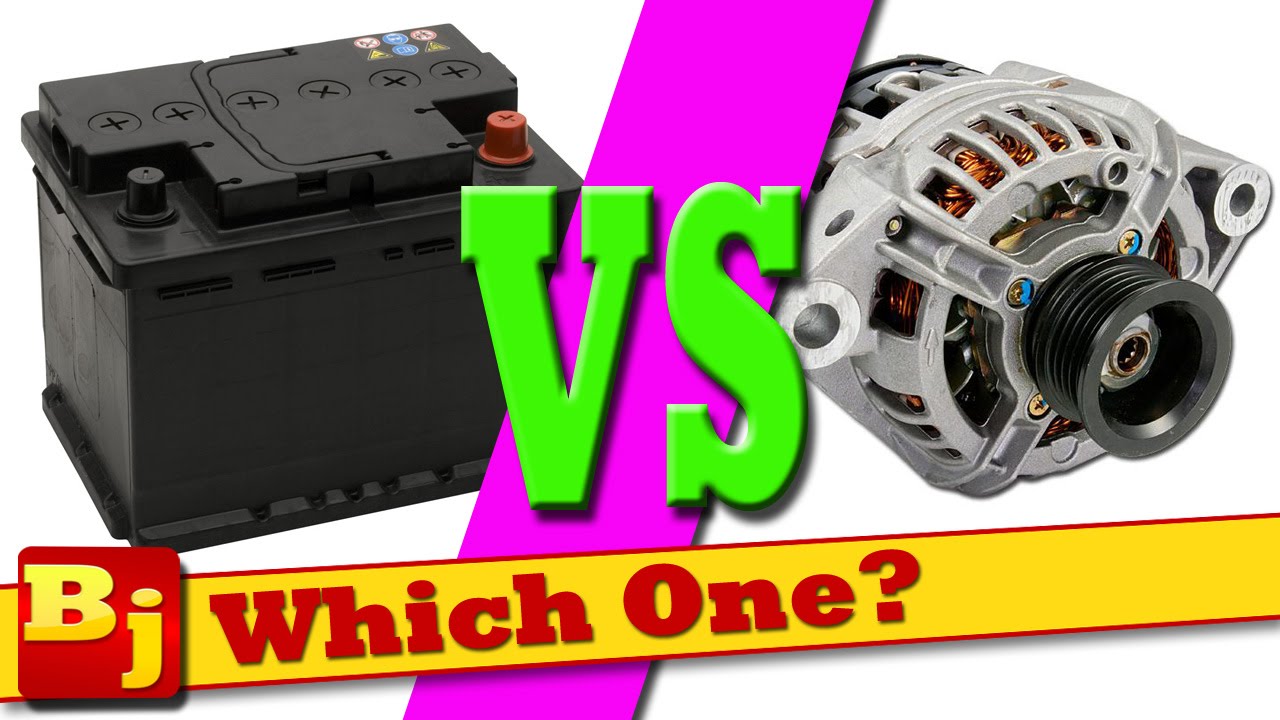
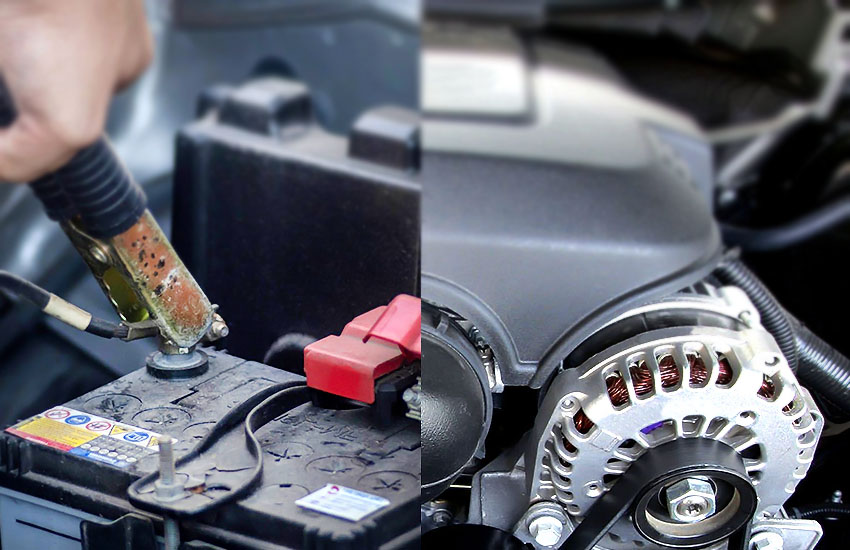
The battery is your car's starting champion. It provides the initial jolt of electricity needed to crank the engine. Think of it as a powerful energy reservoir, ready to unleash its stored power on demand. Common examples of when the battery struggles include after the car's been sitting unused for a long period, or when you've accidentally left your headlights on all night. You'll often experience a slow crank, or no crank at all.
Must Read
The alternator, on the other hand, is the tireless workhorse. Once the engine is running, the alternator takes over, recharging the battery and providing power to all the electrical components, like your lights, radio, and air conditioning. It's essentially a mini power plant under your hood. A failing alternator might manifest as dimming headlights, flickering interior lights, or your car suddenly dying while you're driving. This is because the battery, no longer being recharged by the alternator, eventually runs out of juice.
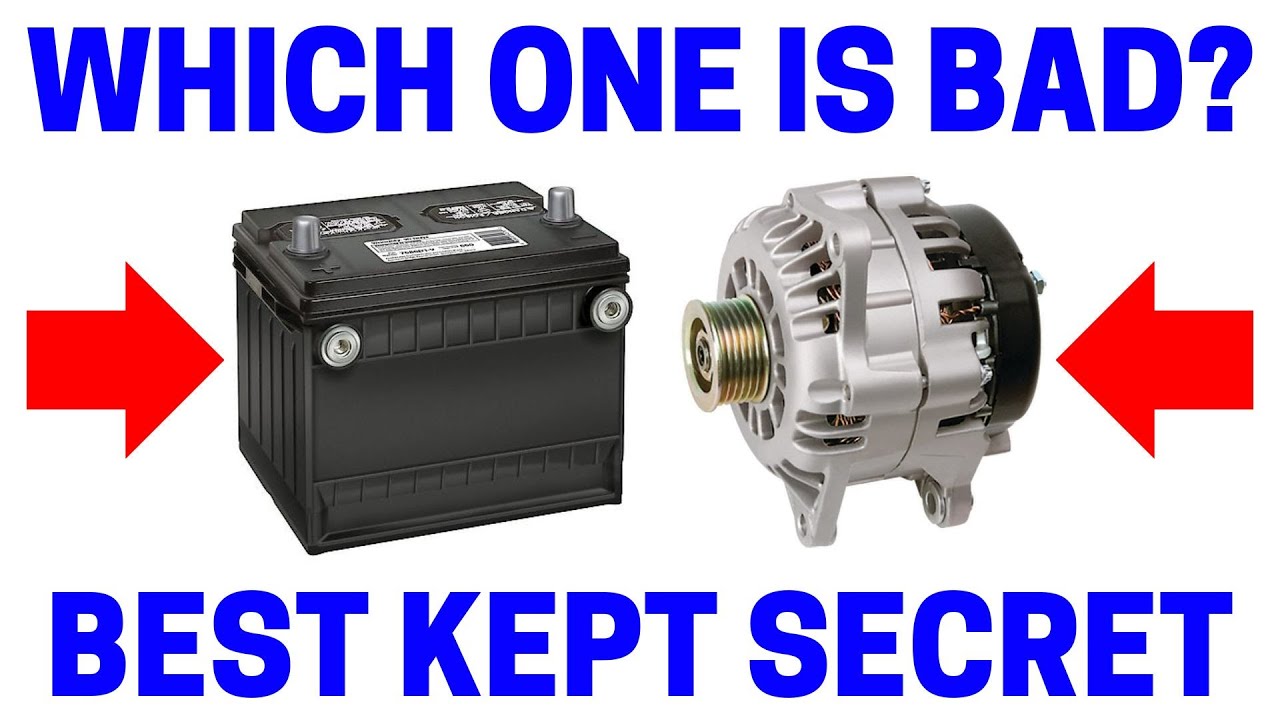
So, how do you tell which is failing? Here are some practical tips:
- The Jump Start Test: If your car starts with a jump start, but dies shortly after disconnecting the jumper cables, it's likely your alternator isn't charging the battery. If it starts and runs fine after the jump, the problem was probably just a dead battery.
- The Voltmeter Test: A simple voltmeter can be your best friend. With the engine off, a fully charged battery should read around 12.6 volts. With the engine running, the alternator should be charging the battery, and the reading should be between 13.5 and 14.5 volts. A reading outside of these ranges suggests a problem.
- Listen for Noises: A failing alternator often makes whining or grinding noises. These sounds are usually a sign that the internal components are wearing out.
- Check the Warning Lights: Your car's dashboard often provides clues. A battery-shaped warning light, or a generic "check engine" light, could indicate a problem with either the battery or the alternator. It's always a good idea to get the code read to pinpoint the exact issue.
To enjoy a longer, more reliable driving experience, consider investing in a battery tender if you frequently leave your car unused for extended periods. Regularly check your battery terminals for corrosion and clean them as needed. And don't overload your electrical system with excessive aftermarket accessories. By paying attention to these details, you can help ensure that your battery and alternator work in harmony, keeping you on the road and out of the mechanic's shop.