
How Do I Get Melted Plastic Off My Stove Burner
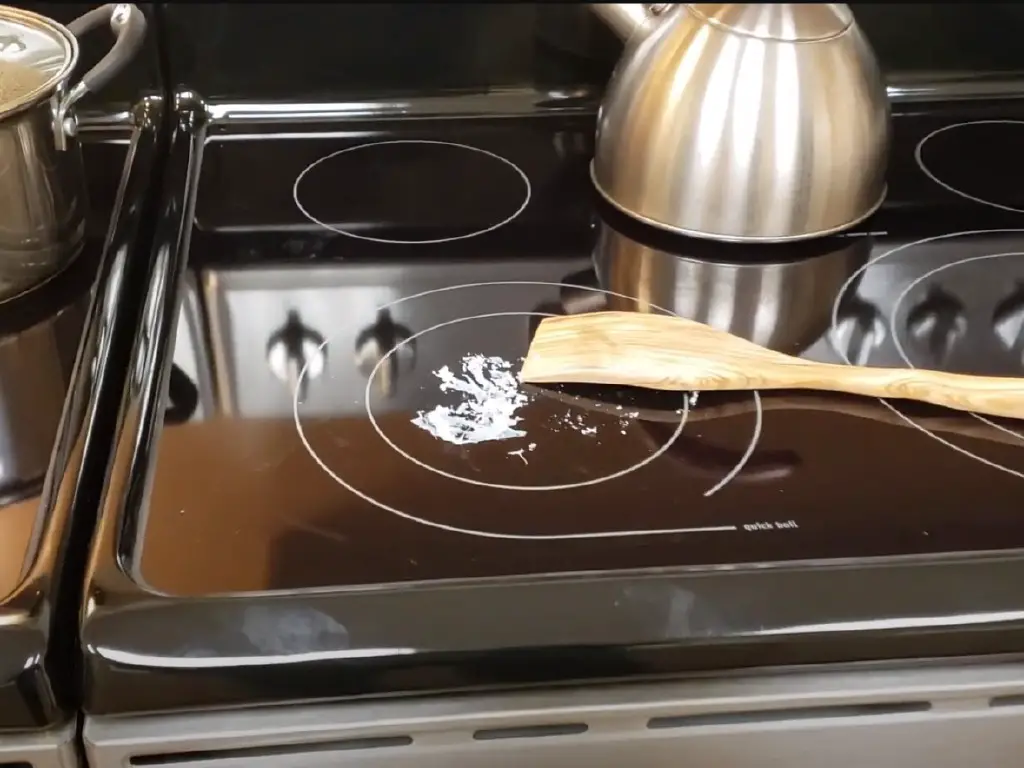
Okay, let's be honest. We've all been there. Staring down at the stove, a monument to our culinary… enthusiasm. Except instead of a perfectly seared steak, there's… plastic. Melted. Stuck. Like a bad ex you can't get rid of.
It's a kitchen catastrophe, a plastic purgatory. And it always happens at the worst possible time, right? Like right before you're supposed to impress your in-laws with your famous soufflé. (Which, let's face it, probably involves more boxed cake mix than anyone needs to know.)
The Ice Age (Not the Movie)
First things first: Ice. Yes, like the stuff you put in your lukewarm summer drink that's supposed to be refreshing but is really just slightly less warm now. Pile it on. Drown that plastic in icy goodness. The idea is to make the plastic brittle. Think of it as plastic's worst nightmare: rapid temperature change.
Must Read
Wait. Let it sit. Go grab a snack. Maybe watch a cat video. Because, honestly, you deserve it. You're dealing with melted plastic on a stove. That's a hero-level task.
The Scrape-tastic Adventure
Now, grab a scraper. A plastic one, ideally. Metal is just asking for trouble. Think of your stovetop as a delicate flower. (Okay, maybe more like a grumpy cactus, but work with me here.) Gently – and I mean gently – scrape at the now-brittle plastic.
:max_bytes(150000):strip_icc()/how-to-remove-melted-plastic-5080445_09-0b7bbdc3bffd45ad8e279809151977d7.jpg)
This is where patience comes in. I know, I know. Patience is overrated. I personally think speed and a "get it done now" attitude are superior, but for this? Patience. Small, controlled movements. Channel your inner zen master. Or just imagine the soufflé. Whatever works.
If it's not budging, don't force it. Back to the ice! We're playing the long game here.
The Baking Soda Solution (Maybe)
Some people swear by baking soda. You know, that magical white powder that's supposed to clean everything from your teeth to your toilet. Mix it with a little water to form a paste. Slather it on the plastic. Let it sit. (Are you sensing a theme here?)
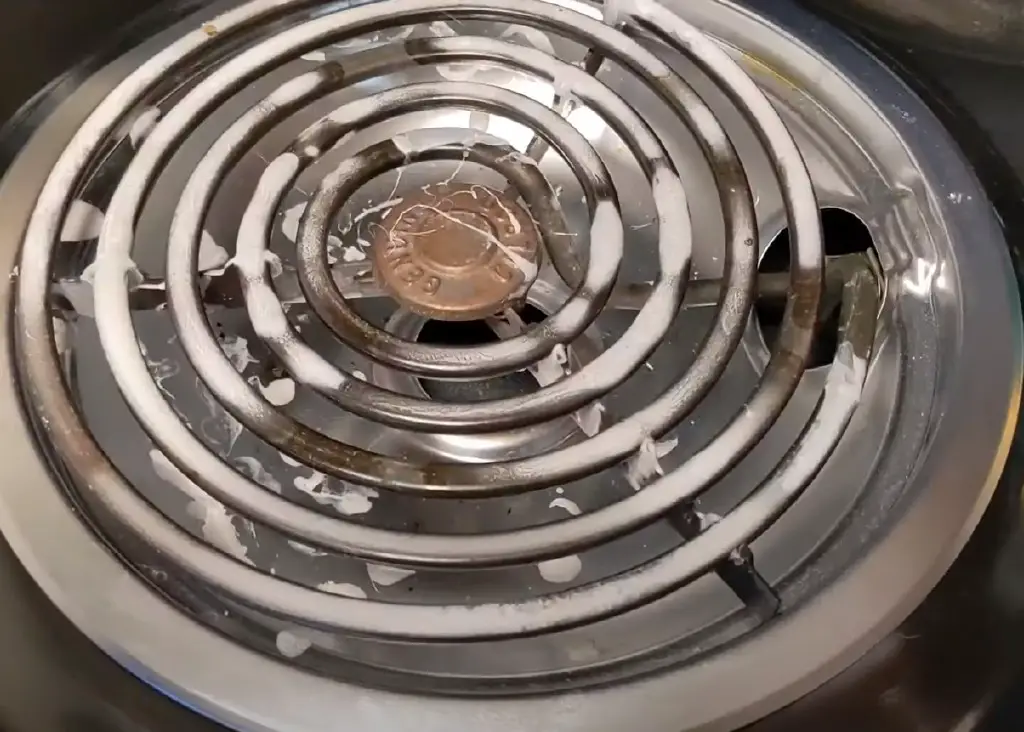
Then, armed with your trusty scraper, give it another go. The baking soda might help loosen things up. Or it might not. Honestly, sometimes I think baking soda is just a placebo for cleaning. But hey, it smells nice!
The Heat Wave (Use with Caution!)
Okay, unpopular opinion time. Sometimes – and I stress, sometimes – a little heat can help. Turn the burner on low for a very, very short time. Just enough to soften the plastic slightly. Then, immediately turn it off and attack with the scraper.

WARNING: This is a risky move. You could melt the plastic even more, making the situation worse. You could also burn yourself. (Don't burn yourself!) So, proceed with extreme caution. Maybe wear oven mitts. And a face shield. Just kidding… mostly.
Honestly, sometimes I think setting the whole stove on fire is a valid option at this point. But then you have a whole other set of problems. So, let's stick with the ice and scraping for now.
The Acceptance Phase
Eventually, after much scraping, cursing, and possibly a minor existential crisis, you’ll either succeed in removing the plastic, or you’ll reach the acceptance phase. This is where you decide that the melted plastic is now a permanent part of your stove's unique character.
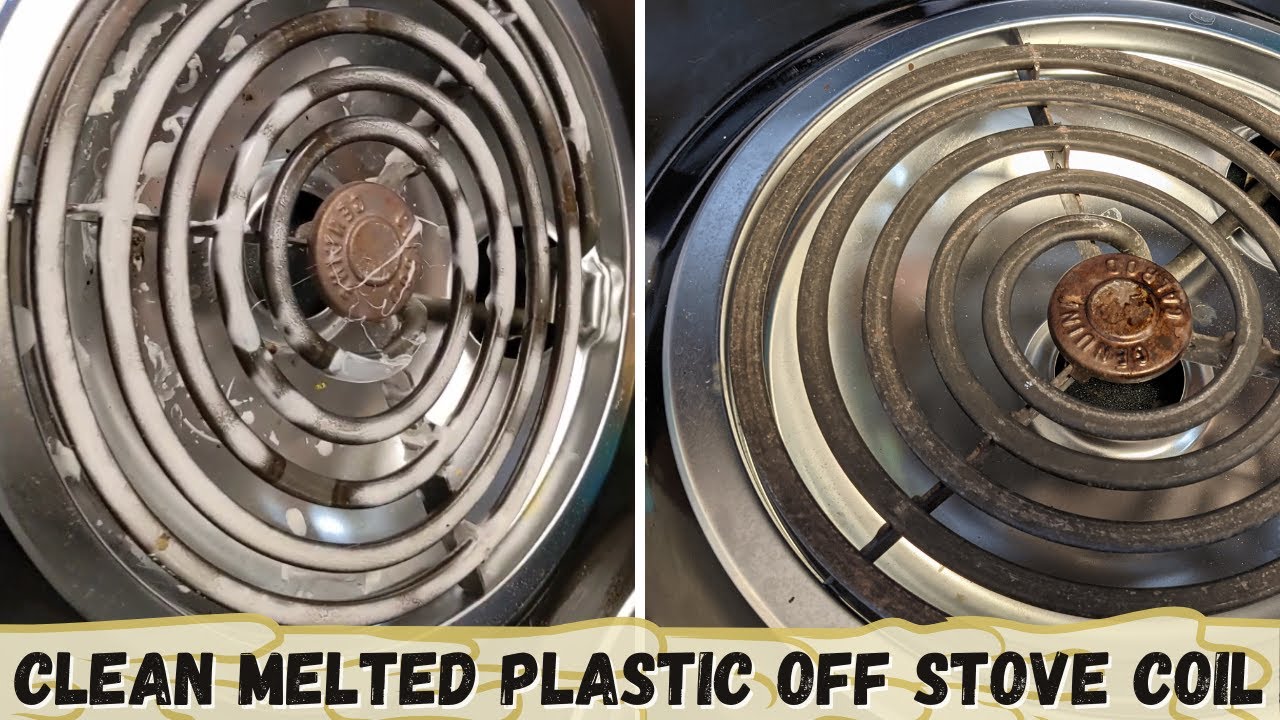
It’s a conversation starter! “Oh, that? That’s from the Great Plastic Meltdown of ‘23. A truly harrowing experience.”
Besides, who needs a pristine stovetop anyway? Imperfection is beautiful! It shows you actually use your kitchen. (Even if that use primarily involves microwaving leftovers.)
So, there you have it. My (highly unscientific) guide to removing melted plastic from your stove burner. Good luck. And may your soufflé be plastic-free.