
How Do Hydroelectric Plants Produce Electricity
Ever wondered how those massive dams turn gushing water into the electricity that powers your phone, your TV, and your questionable late-night online shopping sprees?
Well, buckle up, buttercup! We're diving into the surprisingly simple (yet undeniably impressive) world of hydroelectric power.
H2Oh Yeah! (The Basic Idea)
Hydroelectric plants, in their simplest form, are all about harnessing the awesome power of falling water. Think of it like this: water stored up high has potential energy.
Must Read
It’s just sitting there, ready to unleash its inner fury. Then, gravity kicks in, and BAM! That potential energy transforms into kinetic energy – the energy of motion.
It’s like when you’re at the top of a roller coaster, about to plummet downwards. That feeling? That's potential energy turning into pure, unadulterated "I hope I don't throw up" kinetic energy!
From Waterfall to Wattage: The Step-by-Step
Step 1: Dam, That's a Lot of Water!
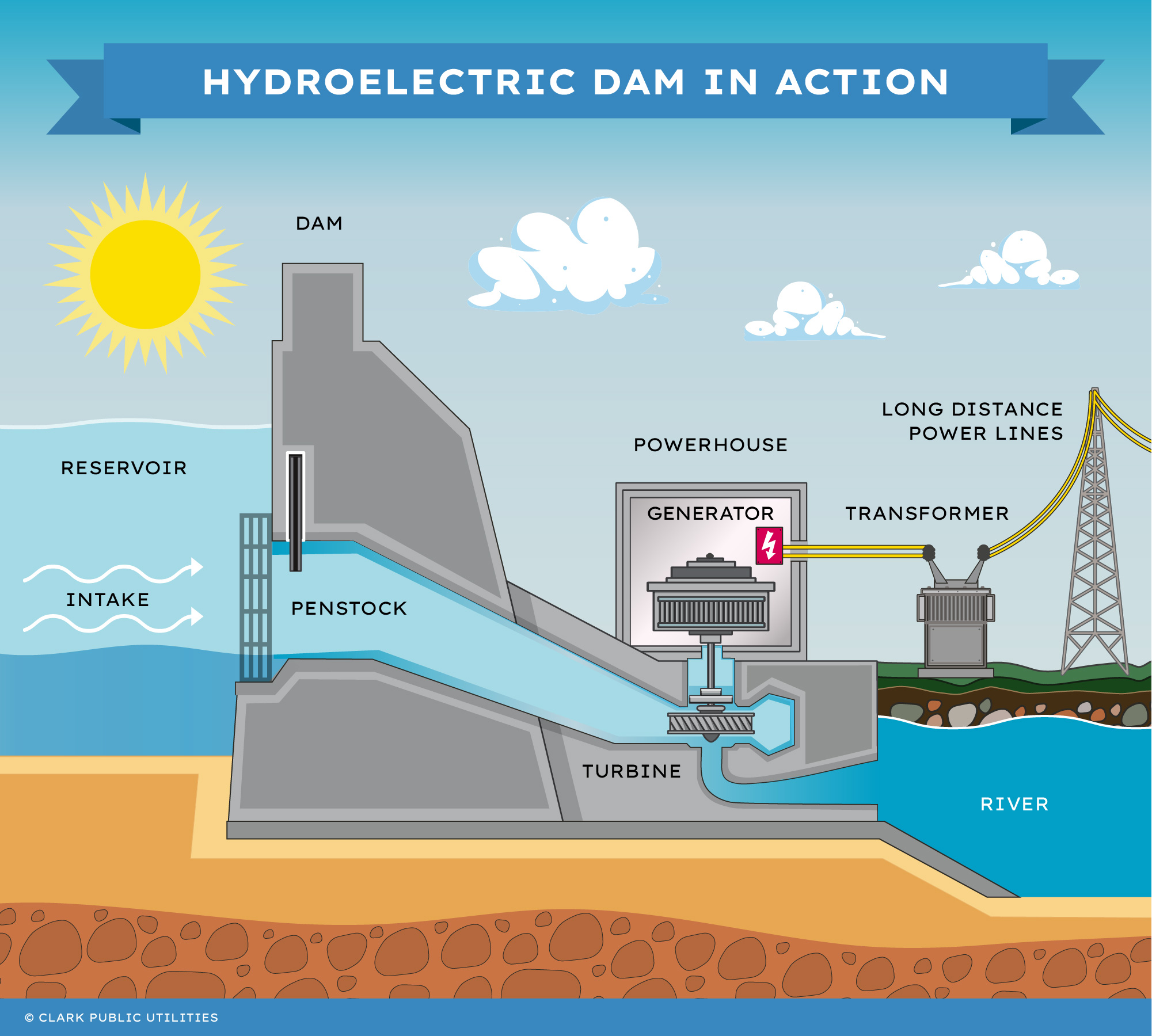
First things first, you need a big body of water. Hence, the dam.
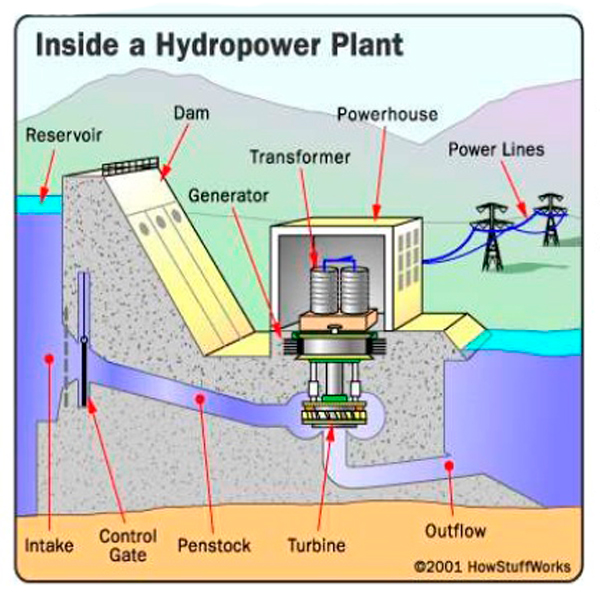
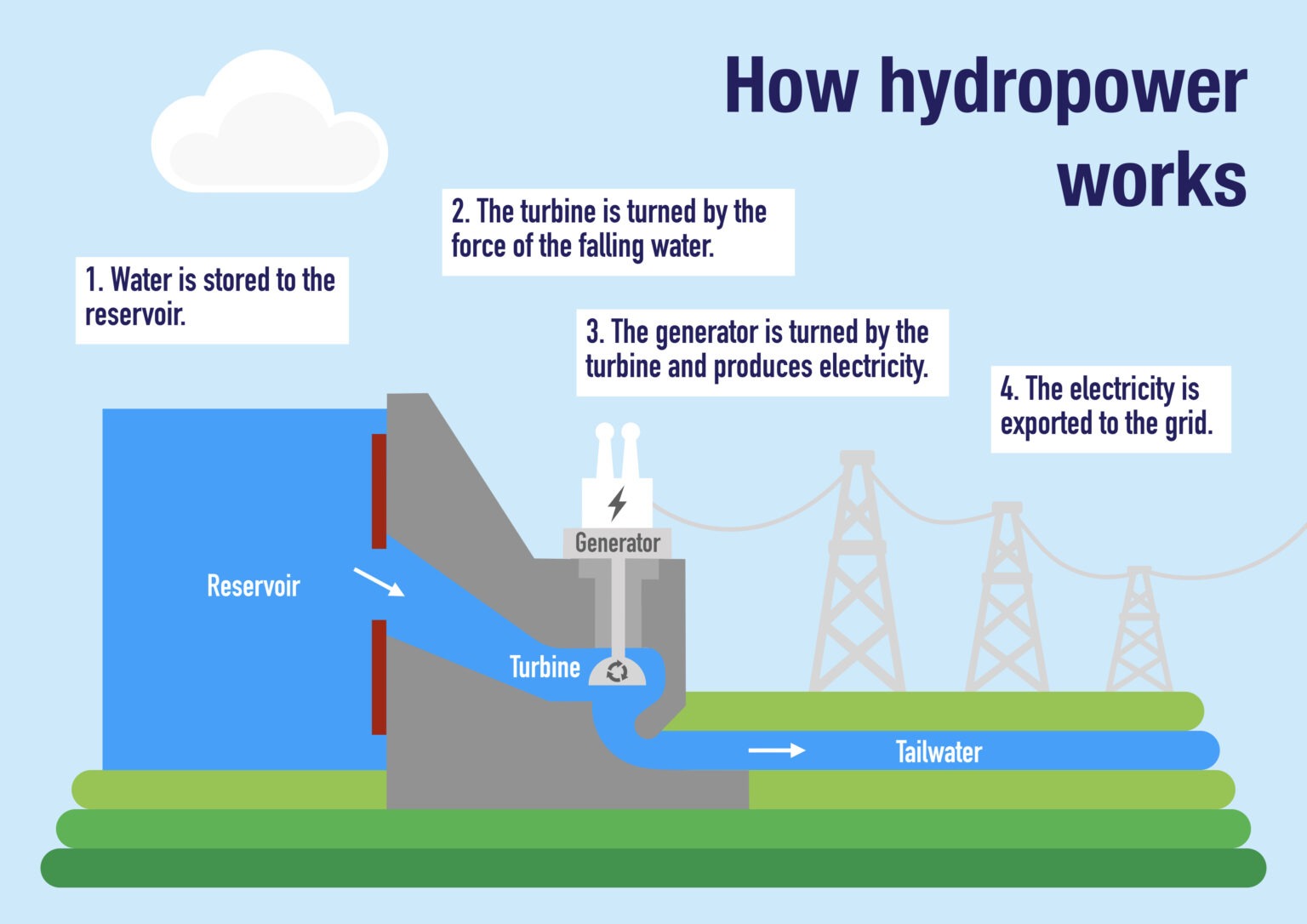
Dams create a reservoir, basically a giant water storage tank. They hold back the water, creating that crucial height difference we need for our energy transformation.
Unpopular opinion: Dams are actually pretty cool looking. Especially when you’re not thinking about the environmental impact. Just saying.
Step 2: The Penstock Plunge
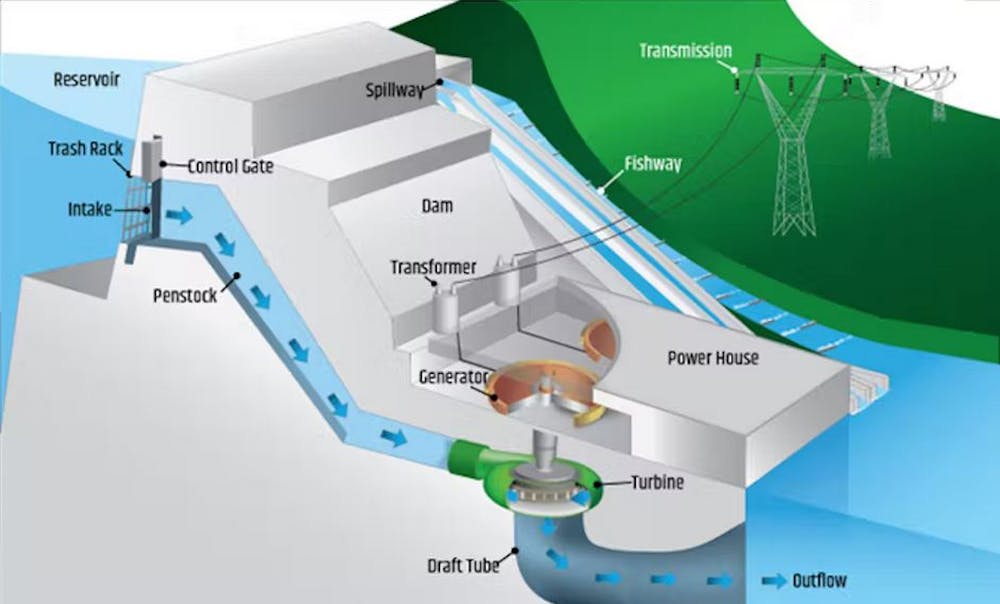
Next, we've got the penstock. This is basically a giant pipe that channels the water from the reservoir down to the turbine.
The water picks up speed as it hurtles down, like a kid on a super-fast water slide. The steeper the slide (or the bigger the height difference), the faster the ride (or the water!).

Imagine the world's most epic water park. Except instead of screaming kids, you have clean, renewable energy. Okay, maybe the kids are still screaming. But for different reasons!
Step 3: Turbine Time! (Spin Cycle Edition)
This is where the magic really happens. The rushing water slams into the turbine blades, causing them to spin. Think of it like a water wheel, but on steroids.
The turbine is connected to a generator (we’ll get to that in a sec), so when the turbine spins, the generator spins too.
This is basically the heart of the whole operation. Without the turbine, we'd just have a fancy waterfall. Which, admittedly, is still pretty cool.
Step 4: Generator Genius (Electricity is Born!)
The generator is where the kinetic energy from the spinning turbine gets converted into electrical energy.
Inside the generator, you've got coils of wire and powerful magnets. When the turbine spins the generator, it creates a magnetic field that induces an electric current in the wires.
It's a bit like rubbing a balloon on your head to make your hair stand up, but on a much, much grander scale. And with less static cling.
Step 5: Transmission Triumph (Power to the People!)
Finally, the electricity needs to get from the power plant to your home, your office, or your favorite coffee shop. That’s where the transmission lines come in.
These are those big, imposing towers you see marching across the landscape. They carry the electricity over long distances, delivering it to substations that then distribute it to homes and businesses.
So, next time you flip a light switch, remember the long and winding journey that electricity took, from a mountain reservoir to your fingertips!
Pros and (a Few) Cons
Hydroelectric power has some serious advantages. It's a renewable energy source, meaning we’re not burning fossil fuels and pumping pollutants into the atmosphere.
It's also relatively reliable, as long as there's water flowing. Plus, dams can help control flooding and provide water for irrigation.
However, there are downsides. Dam construction can have significant environmental impacts, disrupting ecosystems and displacing communities.
And, of course, droughts can reduce the amount of power a hydroelectric plant can generate.
Hydroelectric: A Powerful Force (Literally!)
So, there you have it: a whirlwind tour of hydroelectric power! From the humble beginnings of a reservoir to the electrifying finale in your living room, it's a fascinating process.
Next time you see a dam, take a moment to appreciate the ingenuity and power of this technology. It's a reminder that sometimes, the simplest solutions are the most effective.
And remember, water is not just for drinking and swimming. It's also for powering our world!
Fun Facts to Impress Your Friends (and Annoy Your Enemies)
Did you know that the world's largest hydroelectric power plant is the Three Gorges Dam in China?
It's absolutely massive and can generate enough electricity to power a small country! Or a really, really big city.
Also, hydroelectric power is one of the oldest forms of electricity generation, dating back to the late 19th century.
Those old-timey engineers were pretty smart cookies!
Unpopular Opinion Time!
Okay, here's my controversial take: I think we should start decorating dams. Like, cover them in murals or turn them into giant waterfalls of light at night.
If we're going to have these massive structures in our landscapes, we might as well make them look awesome! Imagine a dam painted like a giant koi fish! Or a waterfall lit up with rainbow-colored LEDs!
Come on, people! Let's embrace the power of art and technology!
Think of the selfies!
In Conclusion (and a Plea for More Koi Fish Dams)
Hydroelectric power is a complex and fascinating topic with a rich history and a promising future.
While it's not a perfect solution to all our energy needs, it's an important part of the mix.
And, who knows, maybe one day we'll all be living in a world powered by giant, beautifully decorated dams. A world where water doesn't just quench our thirst, but also illuminates our lives.
A world with Koi fish dams, it sounds amazing!