How Do Hydroelectric Dams Produce Electricity
Ever flick a light switch and just expect, well, light? Or charge your phone without a second thought? We take electricity for granted, but behind the scenes, there's a fascinating array of technologies powering our lives. One of the oldest and most reliable is hydroelectric power, harnessing the awesome force of water to bring us the energy we need.
Hydroelectric dams offer a lot more than just electricity. They provide flood control, preventing devastating damage to communities downstream. They create reservoirs, which can be used for recreation like boating, fishing, and swimming, boosting local economies. And in some cases, they also provide a stable source of water for irrigation, helping to ensure food security.
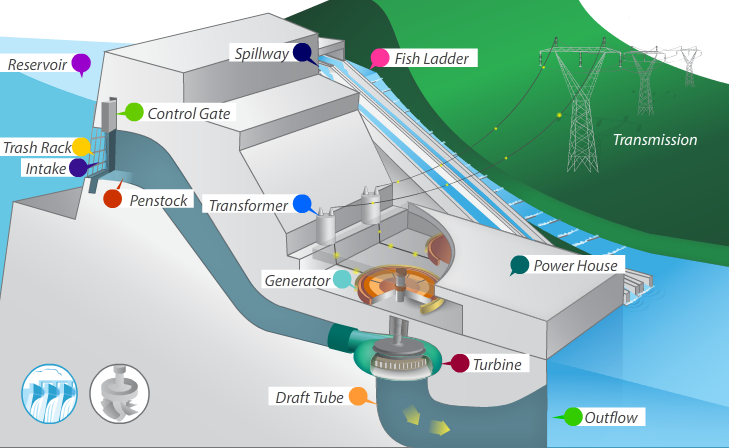
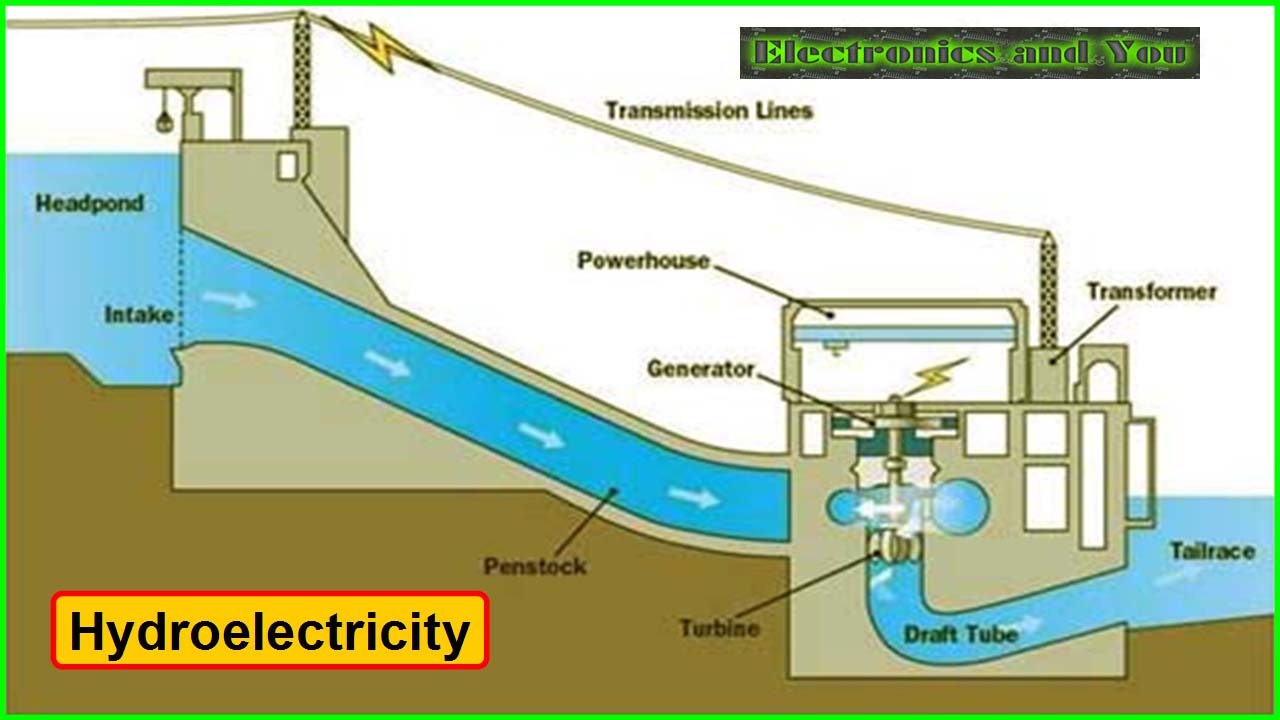
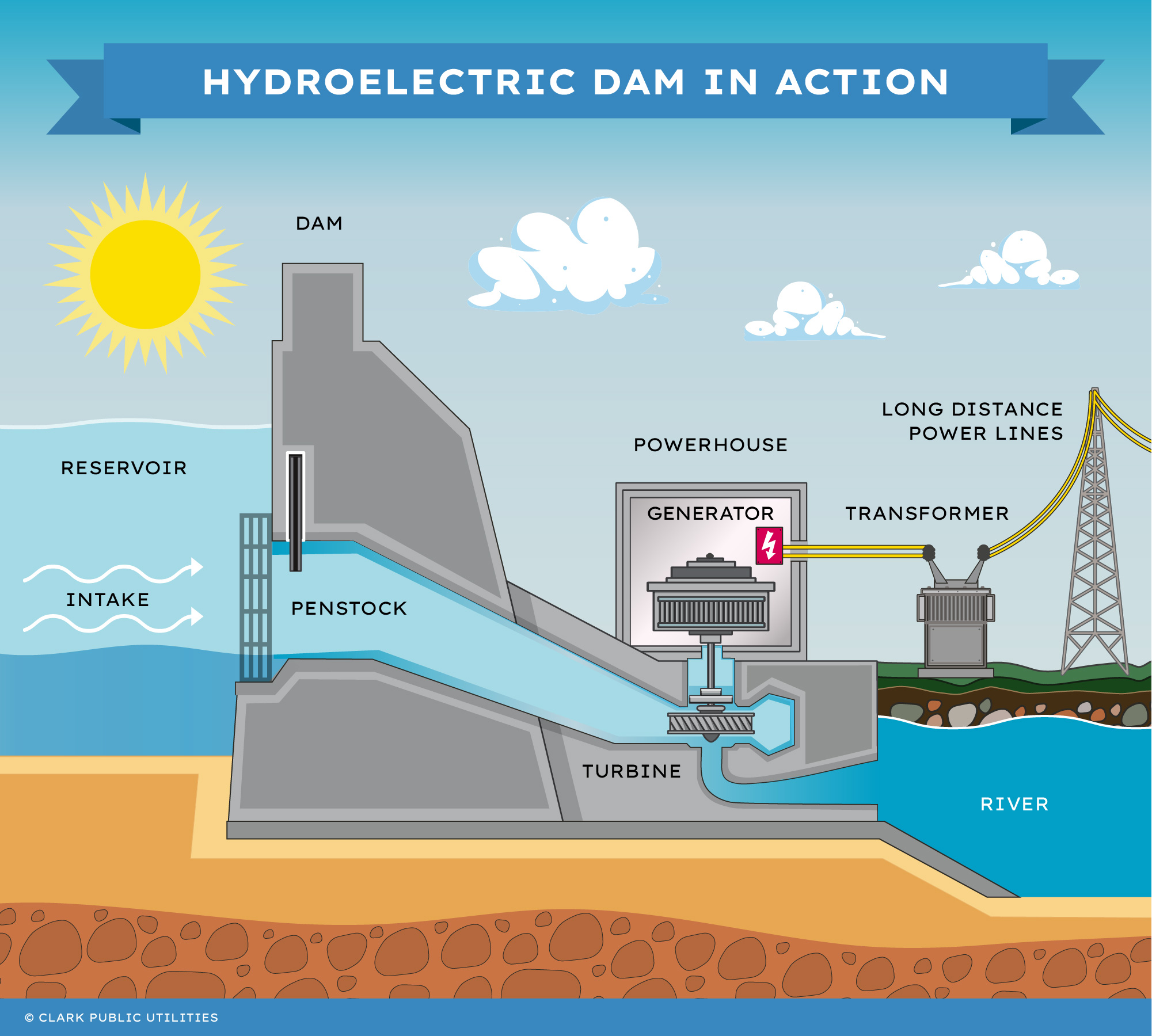
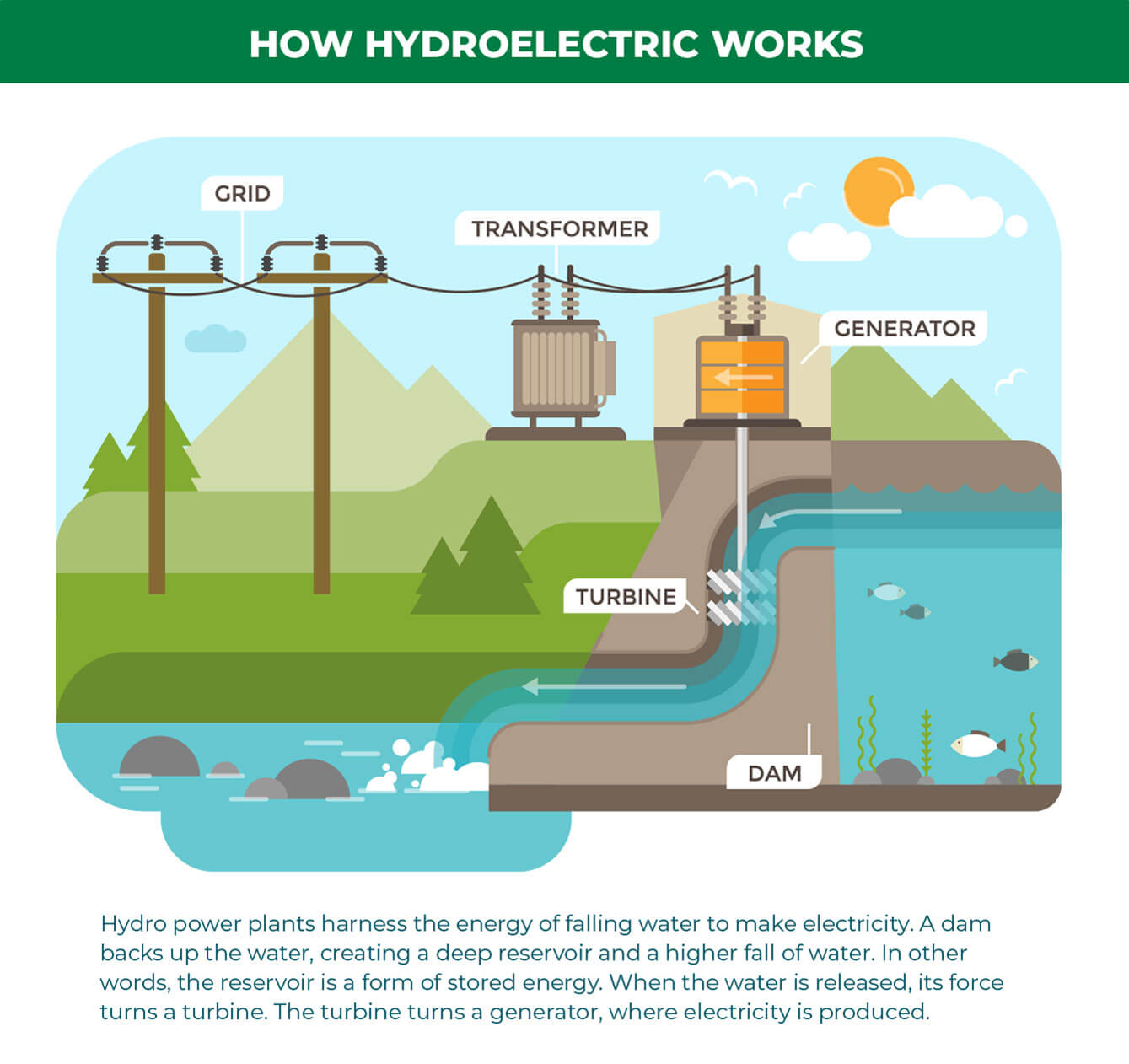
So, how exactly do these massive structures turn flowing water into the electricity that runs our world? It all comes down to a clever combination of gravity and turbines. Imagine a giant water slide. The dam creates a reservoir, essentially a huge pool of water held at a higher elevation. This creates potential energy, just waiting to be unleashed.
Must Read
When the gates of the dam are opened, the water rushes down through a large pipe called a penstock. This rushing water is directed onto a turbine, which is essentially a giant water wheel with carefully designed blades. The force of the water spins the turbine, converting the potential energy into kinetic energy – the energy of motion.
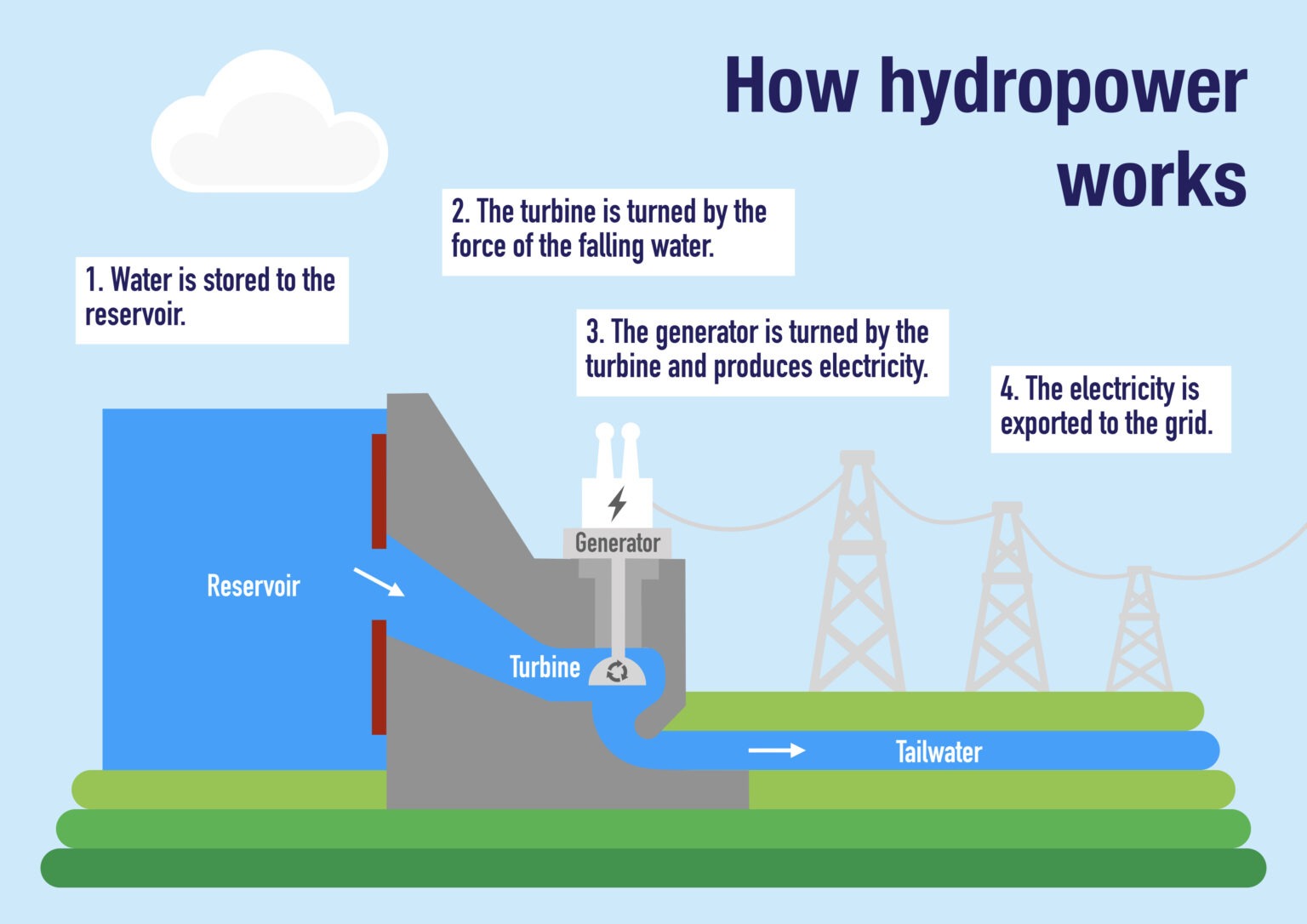
Now, here's where the magic happens. The turbine is connected to a generator. As the turbine spins, it rotates a series of magnets inside the generator. This rotation creates an electric current, thanks to the principles of electromagnetism discovered by scientists like Michael Faraday. This electric current is then sent through power lines to our homes, businesses, and everything in between.
You've likely seen examples of hydroelectric power in action. The Hoover Dam on the Colorado River is perhaps the most iconic example, but there are hydroelectric dams all over the world, ranging in size from massive projects to smaller, run-of-the-river systems that have less environmental impact.
While we can't exactly "enjoy" hydroelectric power directly, understanding how it works can make us more conscious consumers. One practical tip is to be mindful of your energy consumption. Turn off lights when you leave a room, unplug electronics when not in use, and consider investing in energy-efficient appliances. By reducing our demand for electricity, we can help lessen the strain on all power sources, including hydroelectric dams, and contribute to a more sustainable future. Another tip is to learn more about your local energy sources. Where does your electricity come from? Understanding your energy mix can help you make informed choices about your energy consumption and support initiatives that promote cleaner, more sustainable energy solutions.
So, next time you flip that switch, take a moment to appreciate the ingenuity and engineering that goes into bringing you the power you need. From the simple act of harnessing gravity to the complex workings of turbines and generators, hydroelectric power is a testament to human innovation and our ability to work with nature to power our world.