How Do Greenhouse Gases Affect Our Atmosphere
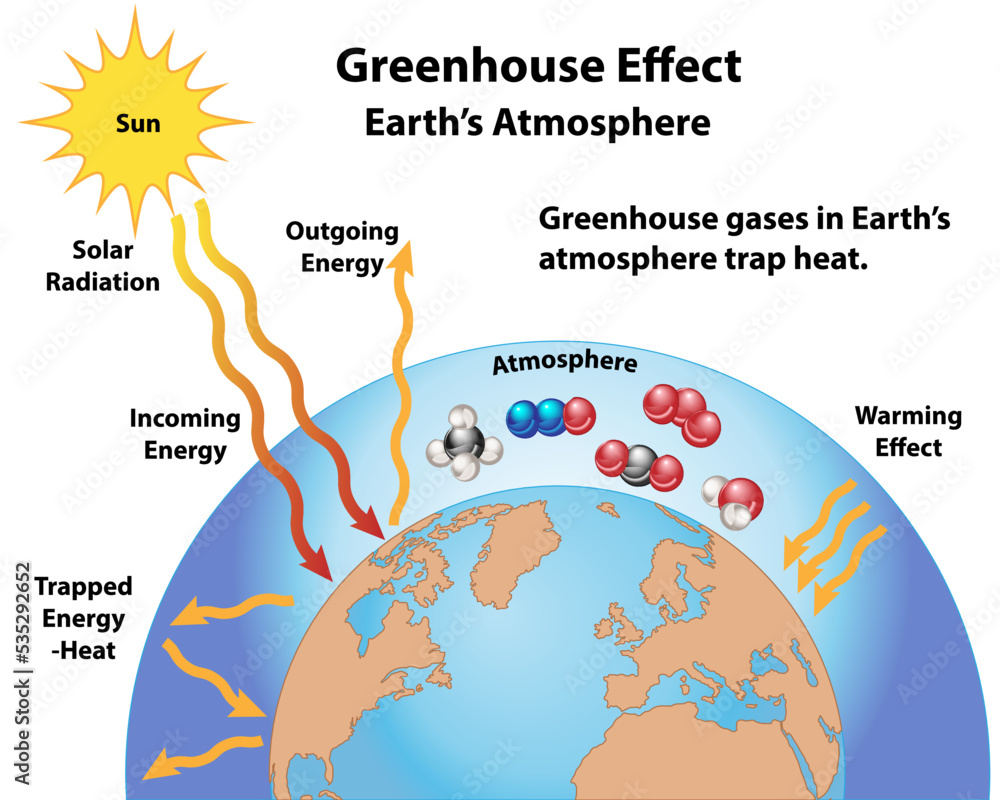
Ever wondered why our planet isn't a frozen ice ball or a scorching desert? The answer lies in something called the greenhouse effect! It's a naturally occurring process that keeps Earth warm enough for us to thrive. Understanding how greenhouse gases affect our atmosphere is like unlocking a secret to understanding our world, and trust me, it's way more interesting than it sounds. We're talking about the very air we breathe and the future of our planet, so buckle up!
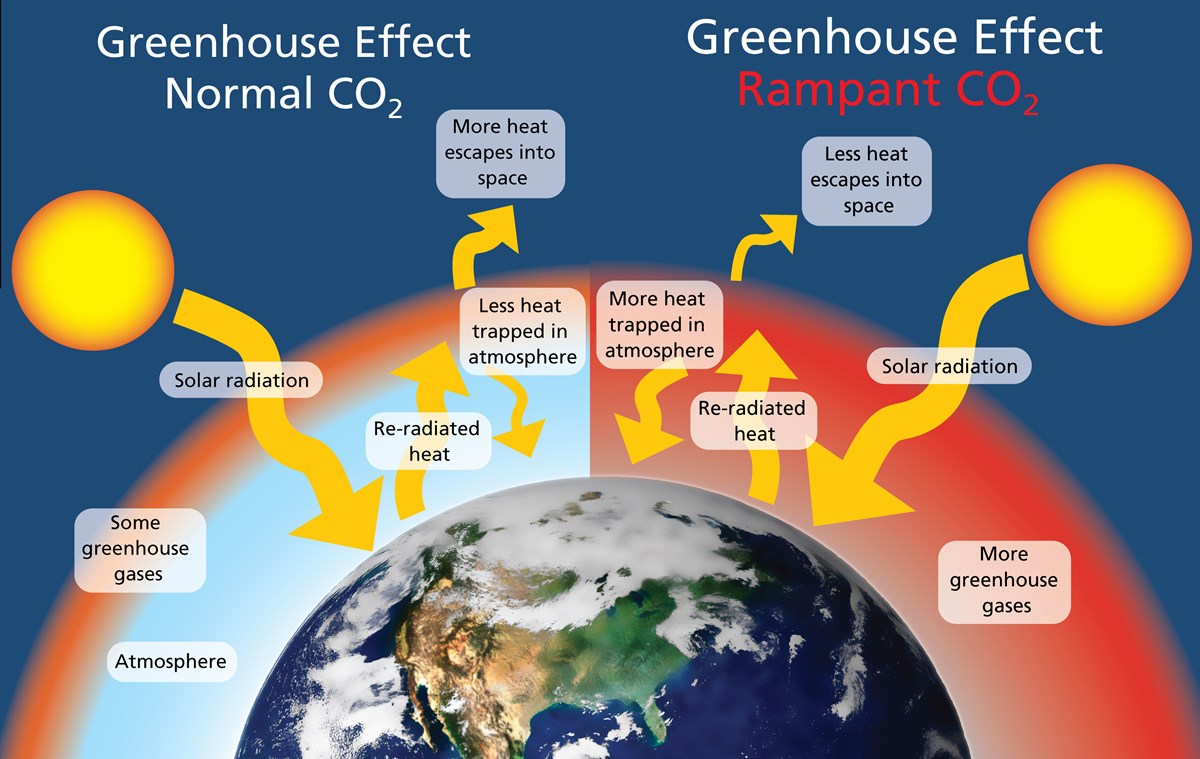
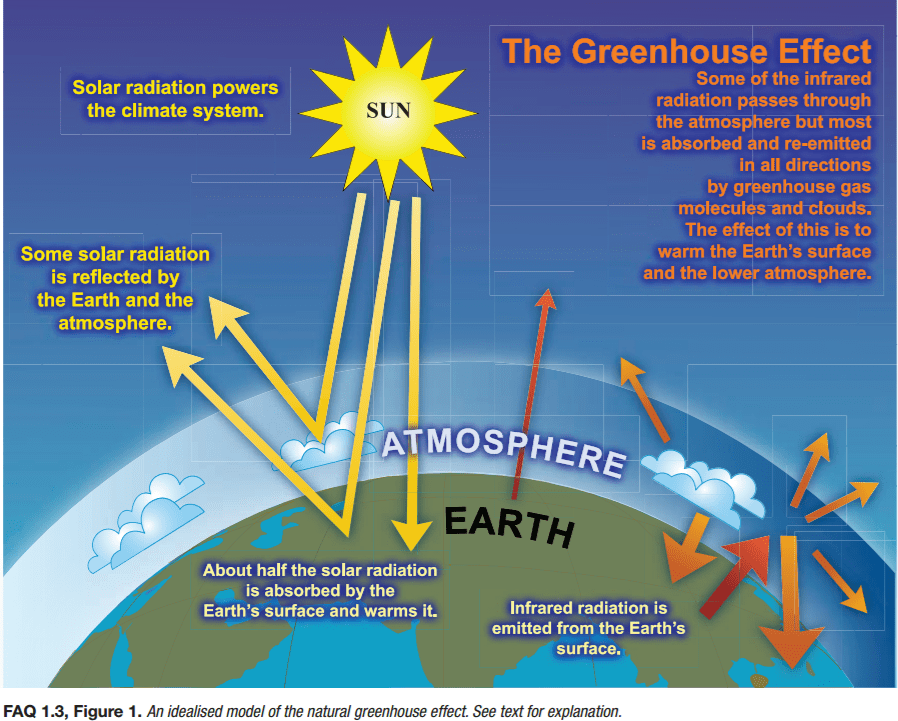
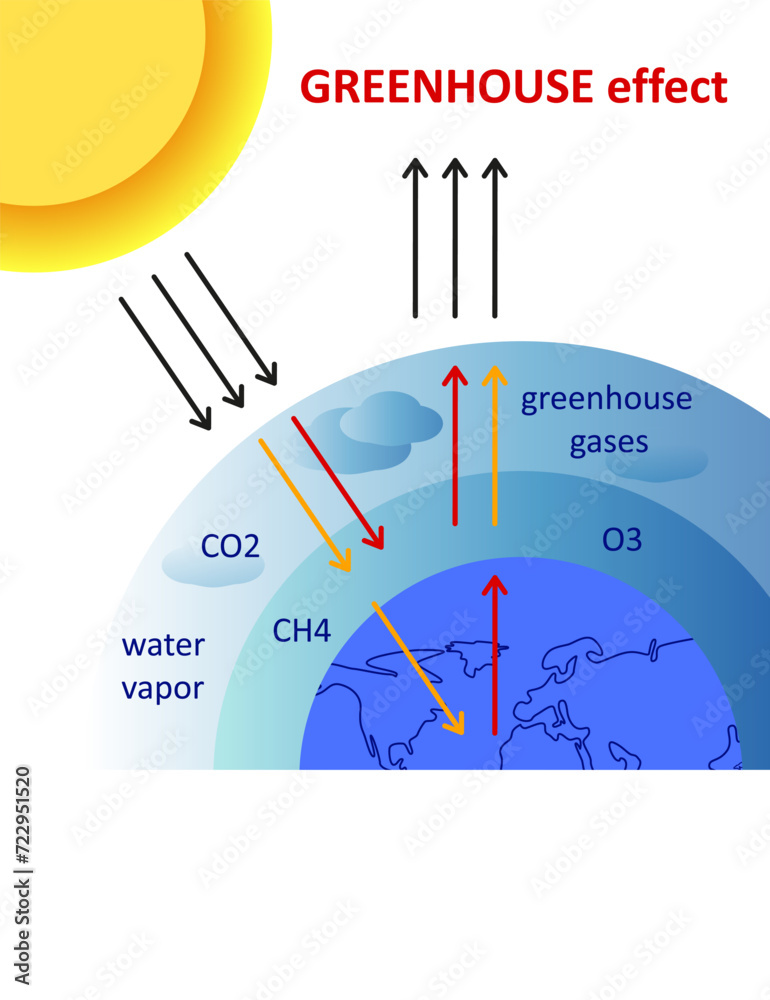
So, what's the big deal? Well, for beginners, grasping the basics is crucial. Think of the atmosphere as a blanket around the Earth. Sunlight streams in, warms the surface, and then that heat tries to escape back into space. Greenhouse gases, like carbon dioxide (CO2) and methane (CH4), act like the threads in that blanket, trapping some of the heat and keeping things cozy. For families, imagine a car parked in the sun with the windows rolled up. The sunlight gets in, but the heat can't easily escape, making the car super hot. That's a simple way to visualize the greenhouse effect! And for the hobbyists among us – perhaps you're into gardening or renewable energy – understanding these gases can help you make informed choices about reducing your own carbon footprint and contributing to a healthier environment.
Now, let's dive a little deeper. Different gases have different abilities to trap heat. CO2 is the most abundant greenhouse gas produced by human activities, primarily from burning fossil fuels (coal, oil, and gas) for energy. Methane, on the other hand, is a much more potent greenhouse gas, meaning it traps way more heat per molecule than CO2. It comes from sources like agriculture (especially livestock), natural gas leaks, and decaying organic matter in landfills. Another important one is nitrous oxide (N2O), which comes from agricultural activities, industrial processes, and the burning of fossil fuels and solid waste. Even water vapor acts as a greenhouse gas, but its concentration in the atmosphere is largely determined by temperature, creating a feedback loop.
Must Read
Too much of a good thing is, well, not good. While the greenhouse effect is essential for life, human activities have significantly increased the concentration of these gases in the atmosphere, leading to enhanced heat trapping and climate change. This leads to rising global temperatures, melting glaciers and ice sheets, rising sea levels, and more frequent and intense extreme weather events.
Feeling empowered to make a difference? Great! Here are some simple things you can do:
- Reduce your carbon footprint: Walk, bike, or use public transportation whenever possible.
- Conserve energy: Turn off lights when you leave a room, unplug electronics when not in use, and use energy-efficient appliances.
- Eat sustainably: Reduce your meat consumption, buy local and seasonal produce, and reduce food waste.
- Advocate for change: Support policies and initiatives that promote clean energy and reduce greenhouse gas emissions.
Understanding how greenhouse gases affect our atmosphere isn't just about science; it's about our responsibility to protect our planet for future generations. It's about making informed choices, taking action, and appreciating the intricate balance of our environment. It's an ongoing learning journey, and the more we understand, the better equipped we are to create a sustainable and thriving future. Plus, knowing this stuff makes you a total rockstar at dinner parties!