
How Do Gas Pumps Know When Your Tank Is Full
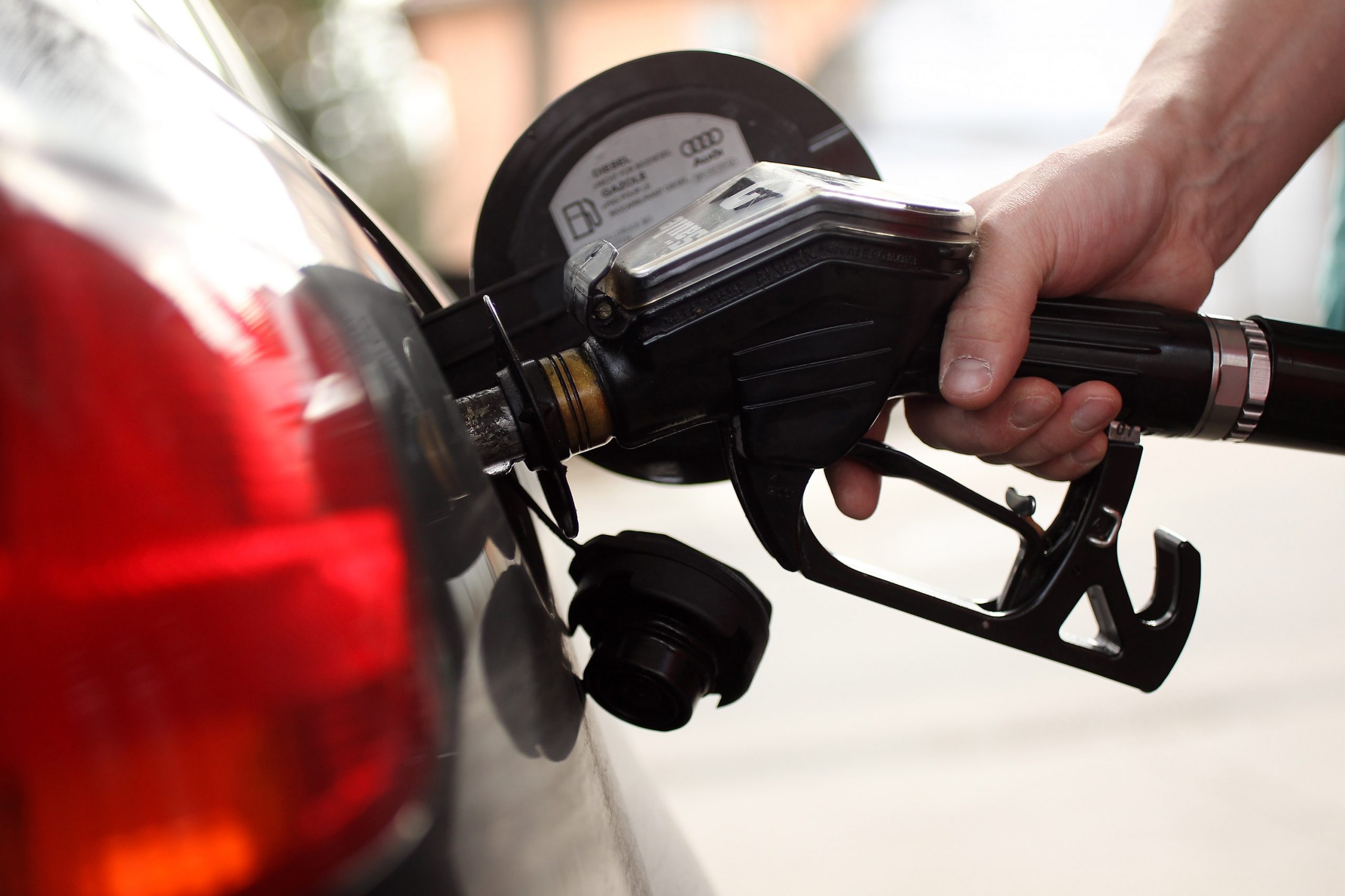
Ever filled up your car and wondered, "How does that gas pump know?" It’s like a magic trick, right? You're just standing there, nozzle in hand, then click! It stops.
The Amazing Automatic Shut-Off
The secret isn’t magic, but it’s still pretty cool. It’s all thanks to some clever engineering and a little bit of physics.
Diving Deep: The Venturi Effect
Okay, brace yourself for a tiny bit of science. It involves something called the Venturi effect. Don’t worry, it's simpler than it sounds.
Must Read
Imagine air flowing through a pipe. Now, squeeze the pipe in the middle. The air speeds up, and the pressure drops. That’s the Venturi effect in action!
This drop in pressure is key to our gas pump mystery. It's what helps the pump "feel" when your tank is full.
The Suction System Inside the Nozzle
Inside the nozzle, there's a small hole near the tip. This hole is connected to a small tube, which leads to a diaphragm in the handle.
Air is constantly being sucked through this tube, thanks to the Venturi effect we just talked about. As long as air flows freely, everything is normal.
This suction keeps the fuel flowing. But what happens when gasoline blocks that hole?
The "Click!" Moment
When the gasoline in your tank rises high enough, it covers the small hole in the nozzle. This is the critical moment!
Suddenly, air can't flow through the tube anymore. The suction stops. This change in pressure triggers the diaphragm in the handle.

The diaphragm is connected to a mechanical switch. When the suction stops, the diaphragm moves, flipping the switch. That's it!
The Pump Knows!
Flipping the switch cuts off the fuel flow. The pump stops pumping, and you hear that satisfying click.
The whole process happens in a fraction of a second. Pretty amazing, huh?
Why It's So Cool
Think about it: no electronics, no sensors in your gas tank. It's all done mechanically, using basic physics principles.
It's a testament to clever design. It's reliable, simple, and has been working for decades. Pure genius!
More Than Just Filling Up
The automatic shut-off isn't just convenient. It also prevents spills. No more overflowing gas tanks!
It’s also safer for the environment. Less gas spilled means less pollution. A win-win for everyone!

The Next Time You Fill Up...
Take a moment to appreciate the magic. That little click is the sound of ingenuity at work.
Pay attention to the nozzle next time. See if you can spot the small hole. Now you know its secret!
Beyond the Basics: Vapor Recovery Systems
But wait, there's more! Modern gas pumps often have another trick up their sleeve: vapor recovery systems.
These systems are designed to capture gasoline vapors that escape during fueling. These vapors contribute to air pollution.
Vapor recovery systems help to reduce emissions and protect the environment. They make filling up even more efficient and eco-friendly.
How Vapor Recovery Works
The vapor recovery system uses a special boot around the nozzle. This boot creates a sealed connection with your car's fuel tank.
As gasoline flows into your tank, the vapors that are displaced are sucked back into the pump through a separate hose.
These vapors are then stored in underground tanks or processed to recover the gasoline. It's like recycling gasoline in real-time!

Two Types of Vapor Recovery
There are two main types of vapor recovery systems: Stage I and Stage II. Stage I controls vapors at the gas station itself.
Stage II, which involves the boot around the nozzle, controls vapors that escape during fueling.
Both types of systems play a crucial role in reducing air pollution and improving air quality.
The Gas Pump: A Marvel of Engineering
So, the next time you're standing at the gas pump, remember all the clever engineering that's going on behind the scenes.
From the Venturi effect to vapor recovery systems, it’s a marvel of ingenuity. It’s more than just a machine that dispenses fuel.
It’s a testament to human innovation and our ability to solve problems in simple, elegant ways. Consider it a reminder of everyday brilliance.
A Little Appreciation Goes a Long Way
We often take these everyday technologies for granted. But sometimes, it's fun to stop and appreciate the cleverness behind them.

The gas pump is a perfect example of this. It’s a simple machine that performs a complex task reliably and efficiently.
So, the next time you fill up your car, give a little nod to the gas pump. It deserves some appreciation!
The Future of Fueling
What does the future hold for gas pumps? With the rise of electric vehicles, the landscape is changing.
We may see more charging stations and fewer gas stations in the years to come. But the principles of engineering will still apply.
Whether it's pumping gas or charging batteries, the quest for efficiency and convenience will continue to drive innovation.
Go Explore!
Now that you know the secret behind the gas pump's automatic shut-off, why not do some more exploring?
Look around you and see if you can spot other examples of clever engineering in everyday objects. You might be surprised at what you discover. The more you know...
The world is full of amazing innovations just waiting to be appreciated. Start with the humble gas pump and see where your curiosity takes you. Happy fueling!