How Do Fossil Fuels Work To Produce Electricity
Hey there, curious minds! Ever flipped a light switch and wondered, "How does this actually work?" Like, where does all that electricity come from? A big chunk of it comes from fossil fuels, and the process is surprisingly... well, kinda cool! Let's dive in, shall we?
The Ancient Sunshine Connection
First things first: what are fossil fuels anyway? We're talking about stuff like coal, oil, and natural gas. Think of them as super-old, super-compressed sunshine. Seriously! Millions of years ago, plants and tiny sea creatures soaked up sunlight through photosynthesis. When they died, they got buried under layers and layers of sediment. Over eons, intense pressure and heat transformed them into the carbon-rich substances we now call fossil fuels. Pretty wild, right?
So, in essence, we're burning sunlight that's been chilling underground for millions of years. Mind. Blown.
Must Read
Boiling Water on a Gigantic Scale
Okay, so we've got our fuel. Now what? How do we turn this ancient energy into the electricity that powers our homes and TikTok feeds? The basic principle is actually pretty simple: we boil water. Yeah, you read that right. It's like making a giant, industrial-sized cup of tea!
Here's the breakdown:
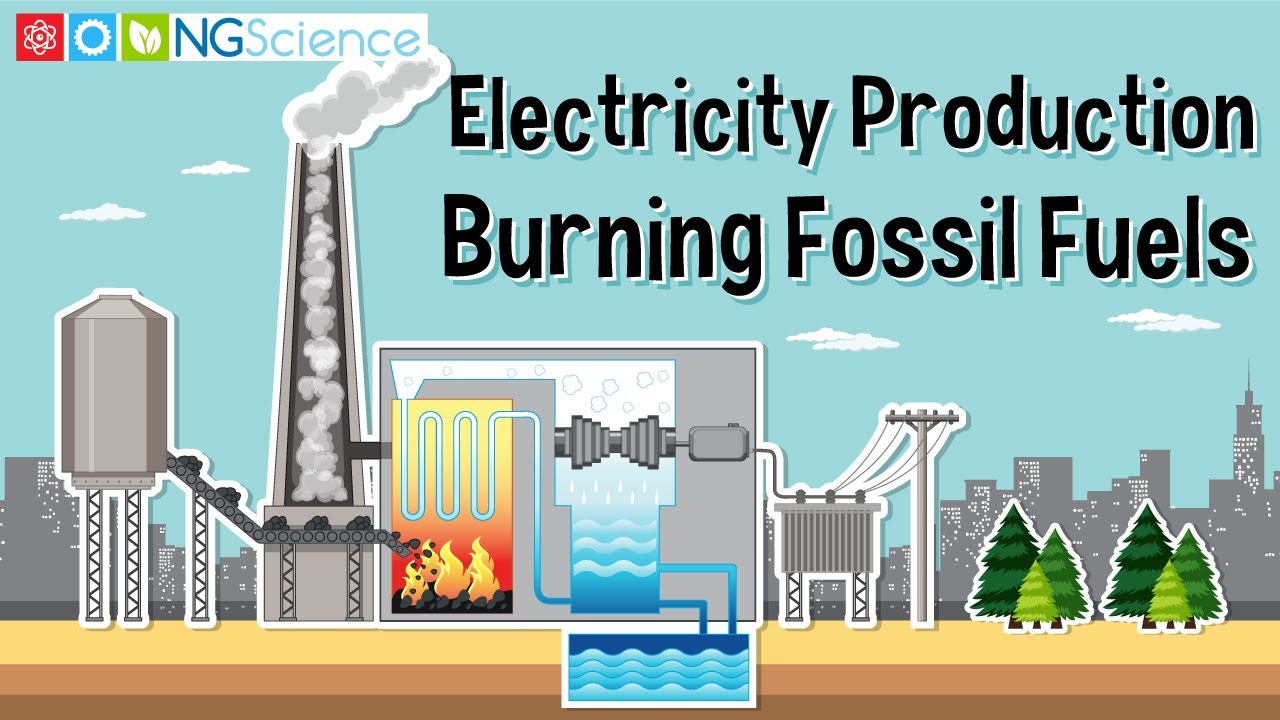
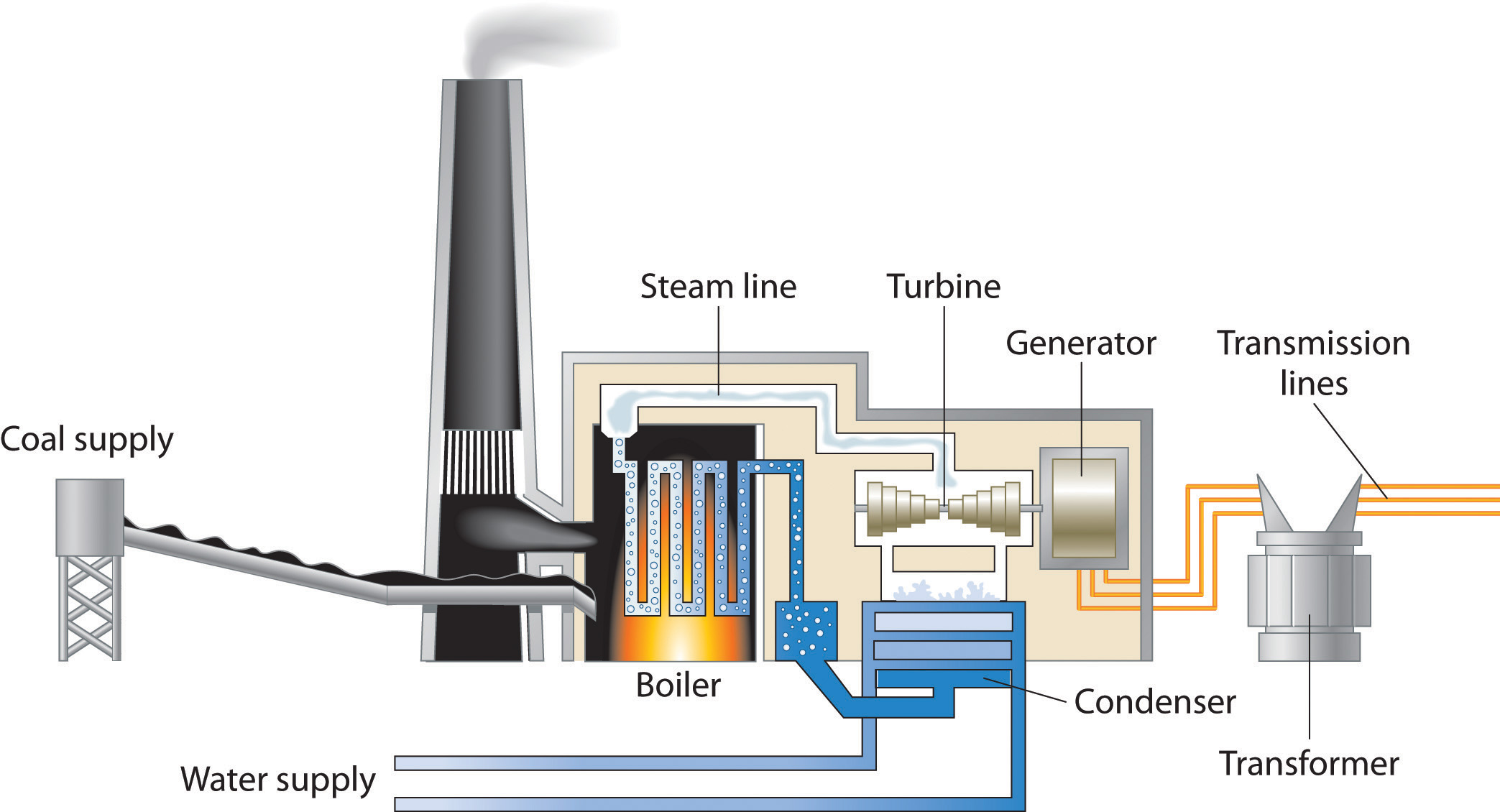
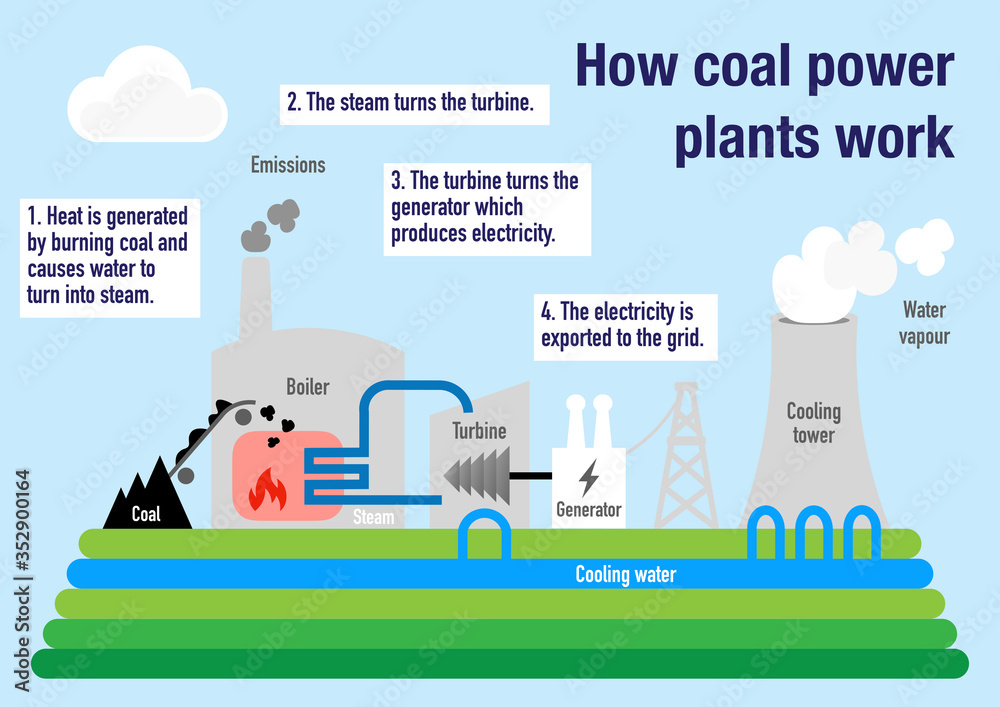
- Burning the Fuel: The fossil fuel (let's say coal for example) is burned in a huge furnace. Imagine a bonfire, but like, a really big bonfire. All that burning releases a ton of heat.
- Heating the Water: That heat is used to boil water, turning it into high-pressure steam. Think of your kettle whistling on the stove, but cranked up to eleven.
- Spinning a Turbine: This high-pressure steam is then directed at a turbine. A turbine is basically a giant fan with blades. The force of the steam pushes the blades, causing the turbine to spin super fast. It's like using the wind to spin a windmill, but instead of wind, we're using super-heated steam.
- Generating Electricity: The turbine is connected to a generator. And this is where the magic really happens. The generator uses magnets and coils of wire to convert the mechanical energy of the spinning turbine into electrical energy. It's like a super-powered dynamo!
- Sending it to Your Home: Finally, the electricity is sent through a network of power lines to your homes, businesses, and everywhere else that needs it.
Think of it like this: It's like a Rube Goldberg machine, but instead of making toast, it's making electricity! Burn fuel -> boil water -> spin turbine -> generate electricity -> power your devices.
The Good, The Bad, and The Future
Fossil fuels have been a crucial part of our energy system for over a century. They're relatively cheap (for now) and can produce a lot of energy. But (and it's a big but), burning fossil fuels releases greenhouse gases into the atmosphere, which contribute to climate change. This is the "bad" part. Climate change is a serious issue, and we need to find cleaner, more sustainable ways to power our world.

The "future" is all about finding those alternatives! Think solar power, wind power, geothermal energy, and even nuclear energy. These sources have their own challenges, but they offer the potential for a cleaner and more sustainable energy future. Plus, the technology behind them is just as interesting, if not more so, than fossil fuels!
So, next time you flip that light switch, remember the journey that electricity took to get there. From ancient sunshine to boiling water to spinning turbines, it's a pretty amazing process. And hopefully, in the future, it will be a process that's powered by cleaner and more sustainable sources of energy. Keep exploring, keep questioning, and keep learning! Who knows what amazing energy solutions we'll discover next!