How Do Electric Generators Produce Electricity

Ever wondered how those magical boxes called electric generators conjure up electricity? It's not pixie dust, though I wish it were! It's actually a surprisingly straightforward process based on some clever physics. Think of it like this: you're about to become a master electricity maker!
The Secret Ingredient: Magnetism!
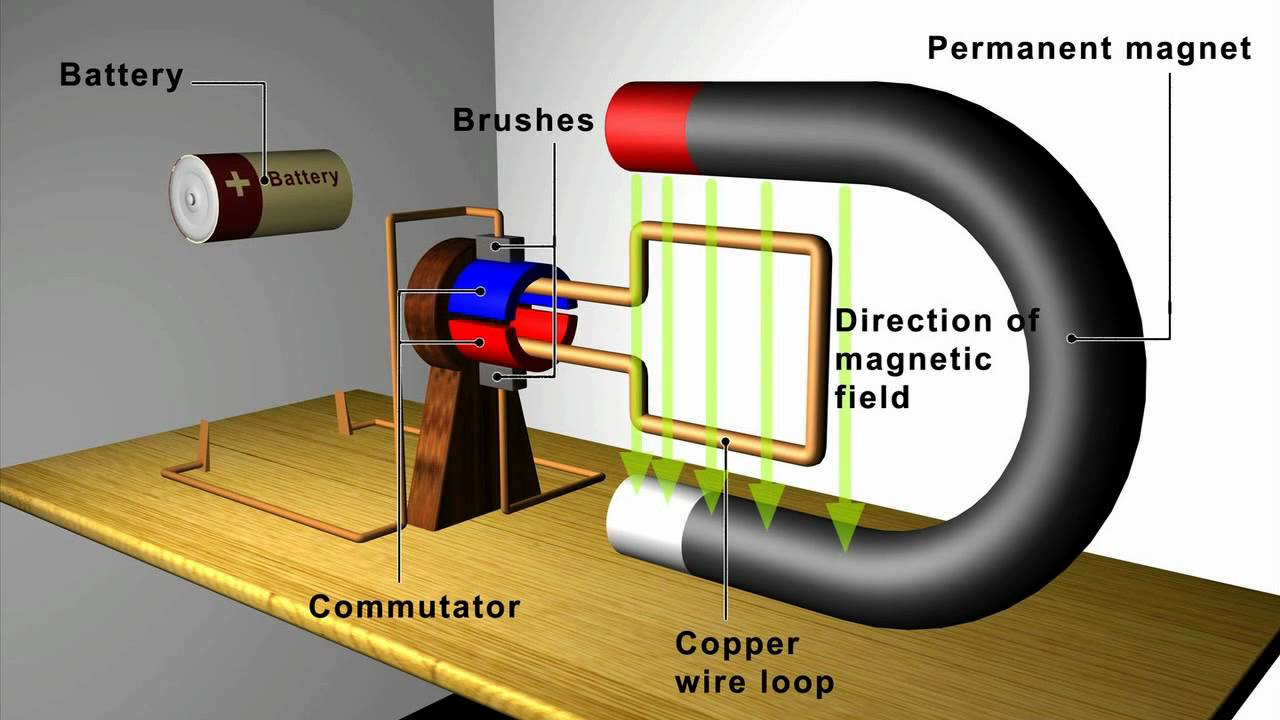
The core concept behind electricity generation is something called electromagnetic induction. Sounds complicated, right? Don't worry, we'll break it down. Imagine you have a superhero duo: a magnet and a coil of wire. These two are best friends and love interacting. Now, if you move either the magnet near the coil, or move the coil near the magnet, something amazing happens: electricity starts flowing in the wire!
Think of it like this: the magnet has a superpower – a magnetic field – surrounding it. When that field interacts with the wire, it's like the magnet is gently nudging the electrons inside the wire, telling them to start moving. And moving electrons? That's electricity, baby!
Must Read
How Moving Creates the Magic
Why the movement, though? Why can't the magnet just sit there all day? Well, the change in the magnetic field is what does the trick. It's the dynamic interaction that really gets the electrons pumped up and ready to boogie down the wire. If the magnet is stationary, the electrons get bored and electricity production grinds to a halt. We need action!
Imagine you're trying to start a dance party. You can't just stand in the corner silently and expect everyone to start grooving. You need to pump up the music, show off some killer moves, get the energy flowing! The changing magnetic field is like the DJ and the dance moves all rolled into one for the electrons.

Building Your Own (Miniature) Generator!
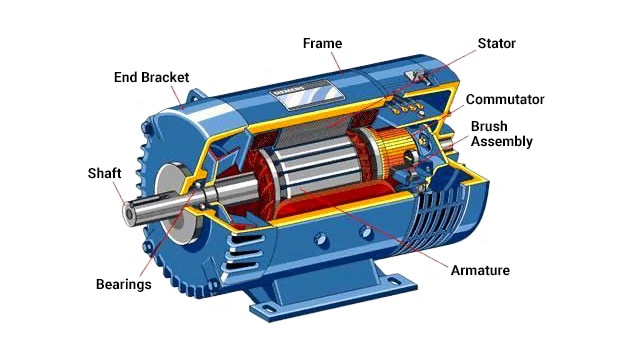
Okay, so how does this translate into a real generator? Essentially, a generator has these key components:
- Magnets: Big, strong ones! They're like the star quarterbacks of the electricity-making team.
- Coils of Wire: Usually lots and lots of coils wrapped around something. They're the receiving ends, ready to catch the "magnetic energy" and turn it into electricity.
- A Way to Make Things Move: This is where the fun begins! We need something to spin either the magnets or the coils.
The spinning is usually accomplished by something powerful, like a turbine. Turbines are essentially giant windmills (or watermills, or steam-powered mills) that are spun by a force. Think of the wind blowing on the blades of a wind turbine, turning a shaft connected to the generator. The generator then uses this rotational energy to spin the magnets (or coils) and voilà! Electricity!
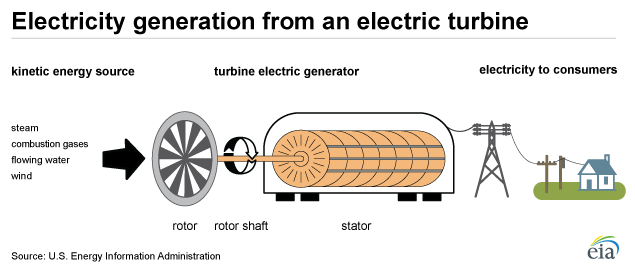
In a hydroelectric dam, the force of rushing water spins the turbine. In a coal-fired power plant, the heat from burning coal boils water into steam, which then spins the turbine. It's all about converting different forms of energy into motion, and then using that motion to create the magnetic dance that generates electricity.
From Giant Power Plants to Tiny Gadgets
The same principle applies whether you're talking about a massive power plant or a small hand-cranked flashlight. In the flashlight, you're providing the spinning motion yourself by cranking the handle, which rotates a small generator inside. The faster you crank, the faster the magnets spin, and the brighter the light shines! You're essentially your own personal power plant, albeit a very small one!
So, What Did We Learn?
Generating electricity is all about harnessing the power of magnetism and motion. By moving magnets and coils of wire relative to each other, we can force electrons to move, creating an electric current. From massive power plants to tiny hand-cranked devices, the underlying principle is the same: convert motion into electricity. Now go forth and impress your friends with your newfound knowledge of electric generators! You're practically Nikola Tesla!