Ah, snow. The fluffy, magical stuff that transforms our world into a winter wonderland. We dream of it, we wait for it, we sometimes even complain about shoveling it. But deep down, most of us secretly love a good snowfall. We often think, "The colder, the better!" for snow, right? Well, let me share a little secret, an unpopular opinion if you will: I think it can be too cold for snow.
Yes, you read that correctly. I’m not talking about a little chill. I’m talking about the kind of cold that bites your nose, freezes your eyelashes, and makes your car sound like it’s protesting its very existence. The kind where the air feels thin and brittle. On those days, despite the mercury plummeting way below freezing, the skies often remain stubbornly clear. Where is our glorious snow then?
The Great Snow Myth
We've all been taught that snow needs cold. And it does, of course. For those tiny water molecules to freeze into beautiful crystals, the temperature needs to be at or below zero degrees Celsius (or 32 degrees Fahrenheit). That's a fundamental truth. But there’s a nuance we often miss. We picture those dramatic blizzards happening in Arctic conditions. Yet, if you’ve ever lived through a truly, bone-chillingly cold winter, you might notice something peculiar.
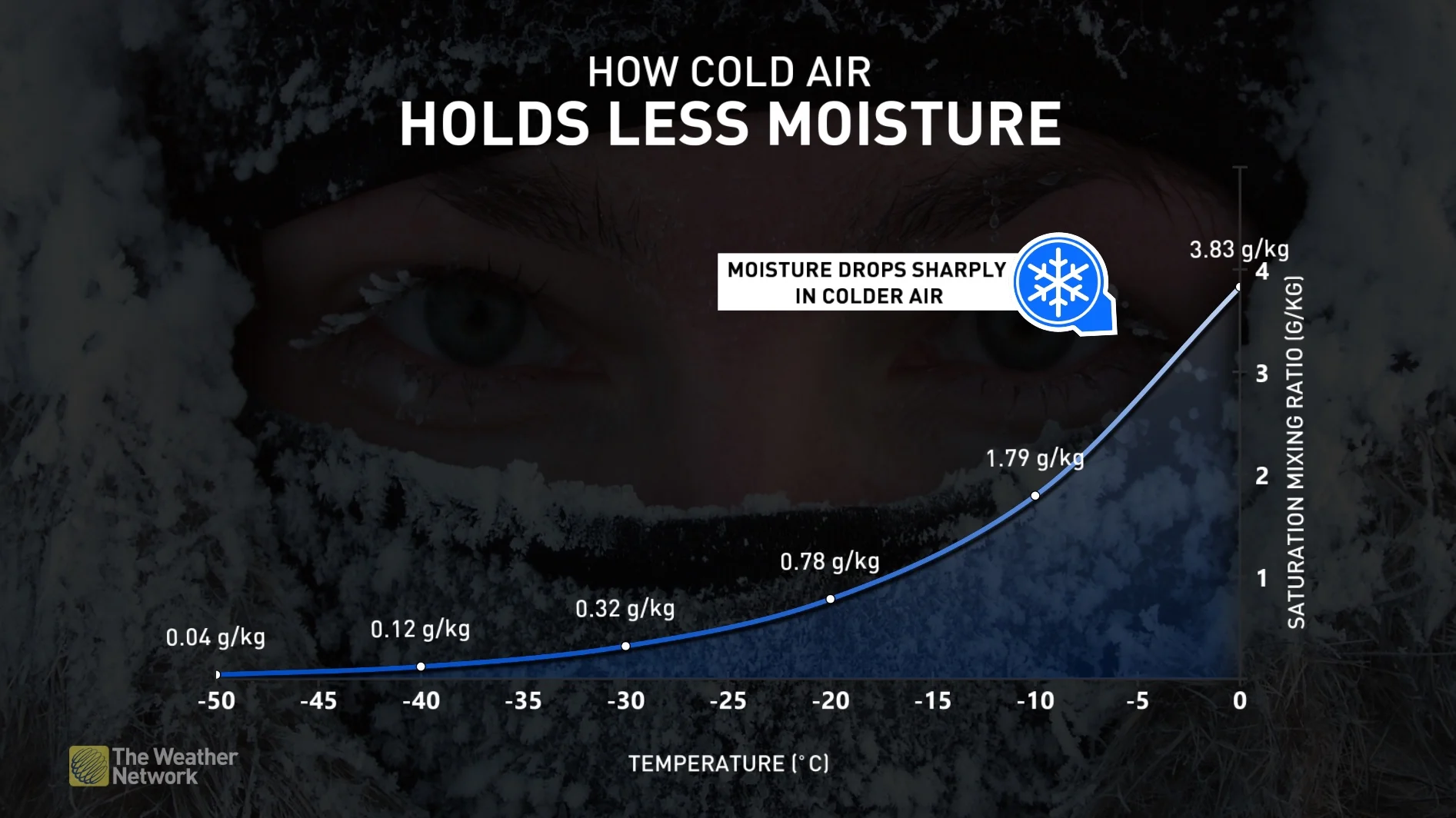
On the days when it's, say, minus twenty degrees Celsius (that's minus four Fahrenheit for our imperial friends), the air is often incredibly dry. It’s crisp. It’s sharp. It feels like all the moisture has been sucked right out of it. And guess what snow needs? Moisture! Lots of it. Those gorgeous flakes don’t just appear from nowhere; they need water vapor to coalesce around dust particles high in the atmosphere.
When Cold Gets Too Bossy
Imagine the cold as a bit of a bully. When it’s moderately cold, say around minus two to minus ten degrees Celsius, the cold is just right. It’s firm but fair. It allows the moisture to gather and freeze, creating those big, fat, fluffy flakes that are perfect for building snowmen and having snowball fights. The air feels humid enough, a little damp even. This is the sweet spot for snow production.
But when the cold gets really bossy, when it drops to truly arctic levels, it seems to just freeze everything solid, including the potential for heavy snow. The atmosphere becomes incredibly stable, and there's just not enough "oomph" to lift moisture high enough, or perhaps the existing moisture is locked up so tightly it can't quite form those majestic flakes. Instead, you get a kind of dusty, sparkly air – beautiful in its own way, but not the stuff of snow day dreams.
How Cold is Too Cold to be Outside? | OSI Physical Therapy
It’s like the air gets so cold, it becomes too polite to snow. It just keeps all its potential snowflakes neatly tucked away, frozen in place, utterly still.
The Best Snow Days Are Just Right
Think about your most memorable snow days. Were they during a deep freeze so intense you couldn't feel your toes? Probably not. They were likely on days when it was cold, yes, but not brutally so. The kind of cold that makes you pull on a hat and gloves, but doesn't make your face ache just from breathing. The temperature was probably hovering just below freezing, maybe down to minus five or ten degrees Celsius. That’s when the world turns into a marshmallow, and everything is coated in a thick, glorious blanket of white.
Those are the days when the snow is wet enough to pack, but dry enough to be light and airy. It sticks to the trees, piles up on the car, and makes that satisfying crunch under your boots. This is the Goldilocks zone for snow. Not too warm, not too cold. Just right.
My Unpopular Truth
So, the next time you wake up to a forecast of extreme, record-breaking cold, and you’re hoping for a massive snowfall, you might be setting yourself up for disappointment. You’ll probably get a lot of frozen pipes and maybe some lovely sparkly frost, but chances are, the heavy, playful snow will be a no-show. The cold will have become too proud, too mighty, too all-encompassing to share its fluffy goodness.
How Cold is Too Cold to Ski? It Depends On Your Preparation
My humble, slightly cheeky argument stands: there absolutely is such a thing as too cold for snow. Or, at least, too cold for the kind of plentiful, delightful snow we all secretly crave. Give me a slightly milder chill, a whisper of humidity, and I'll show you a proper winter wonderland any day!
The colder, the better for snow, right? Well, let me share a little secret, an unpopular opinion if you will: I think it can be too cold for snow.
Yes, you read that correctly. I’m not talking about a little chill. I’m talking about the kind of cold that bites your nose, freezes your eyelashes, and makes your car sound like it’s protesting its very existence. The kind where the air feels thin and brittle. On those days, despite the mercury plummeting way below freezing, the skies often remain stubbornly clear. Where is our glorious snow then?
The Great Snow Myth
We've all been taught that snow needs cold. And it does, of course. For those tiny water molecules to freeze into beautiful crystals, the temperature needs to be at or below zero degrees Celsius (or 32 degrees Fahrenheit). That's a fundamental truth. But there’s a nuance we often miss. We picture those dramatic blizzards happening in Arctic conditions. Yet, if you’ve ever lived through a truly, bone-chillingly cold winter, you might notice something peculiar.
Can It Be Too Cold to Snow?
On the days when it's, say, minus twenty degrees Celsius (that's minus four Fahrenheit for our imperial friends), the air is often incredibly dry. It’s crisp. It’s sharp. It feels like all the moisture has been sucked right out of it. And guess what snow needs? Moisture! Lots of it. Those gorgeous flakes don’t just appear from nowhere; they need water vapor to coalesce around dust particles high in the atmosphere.
When Cold Gets Too Bossy
Imagine the cold as a bit of a bully. When it’s moderately cold, say around minus two to minus ten degrees Celsius, the cold is just right. It’s firm but fair. It allows the moisture to gather and freeze, creating those big, fat, fluffy flakes that are perfect for building snowmen and having snowball fights. The air feels humid enough, a little damp even. This is the sweet spot for snow production.
But when the cold gets really bossy, when it drops to truly arctic levels, it seems to just freeze everything solid, including the potential for heavy snow. The atmosphere becomes incredibly stable, and there's just not enough "oomph" to lift moisture high enough, or perhaps the existing moisture is locked up so tightly it can't quite form those majestic flakes. Instead, you get a kind of dusty, sparkly air – beautiful in its own way, but not the stuff of snow day dreams.
It’s like the air gets so cold, it becomes too polite to snow. It just keeps all its potential snowflakes neatly tucked away, frozen in place, utterly still.
Understanding the science: How snow forms and why it can't be too cold
The Best Snow Days Are Just Right
Think about your most memorable snow days. Were they during a deep freeze so intense you couldn't feel your toes? Probably not. They were likely on days when it was cold, yes, but not brutally so. The kind of cold that makes you pull on a hat and gloves, but doesn't make your face ache just from breathing. The temperature was probably hovering just below freezing, maybe down to minus five or ten degrees Celsius. That’s when the world turns into a marshmallow, and everything is coated in a thick, glorious blanket of white.
Those are the days when the snow is wet enough to pack, but dry enough to be light and airy. It sticks to the trees, piles up on the car, and makes that satisfying crunch under your boots. This is the Goldilocks zone for snow. Not too warm, not too cold. Just right.
My Unpopular Truth
So, the next time you wake up to a forecast of extreme, record-breaking cold, and you’re hoping for a massive snowfall, you might be setting yourself up for disappointment. You’ll probably get a lot of frozen pipes and maybe some lovely sparkly frost, but chances are, the heavy, playful snow will be a no-show. The cold will have become too proud, too mighty, too all-encompassing to share its fluffy goodness.
My humble, slightly cheeky argument stands: there absolutely is such a thing as too cold for snow. Or, at least, too cold for the kind of plentiful, delightful snow we all secretly crave. Give me a slightly milder chill, a whisper of humidity, and I'll show you a proper winter wonderland any day!