
How Carbon Footprint Affects The Environment
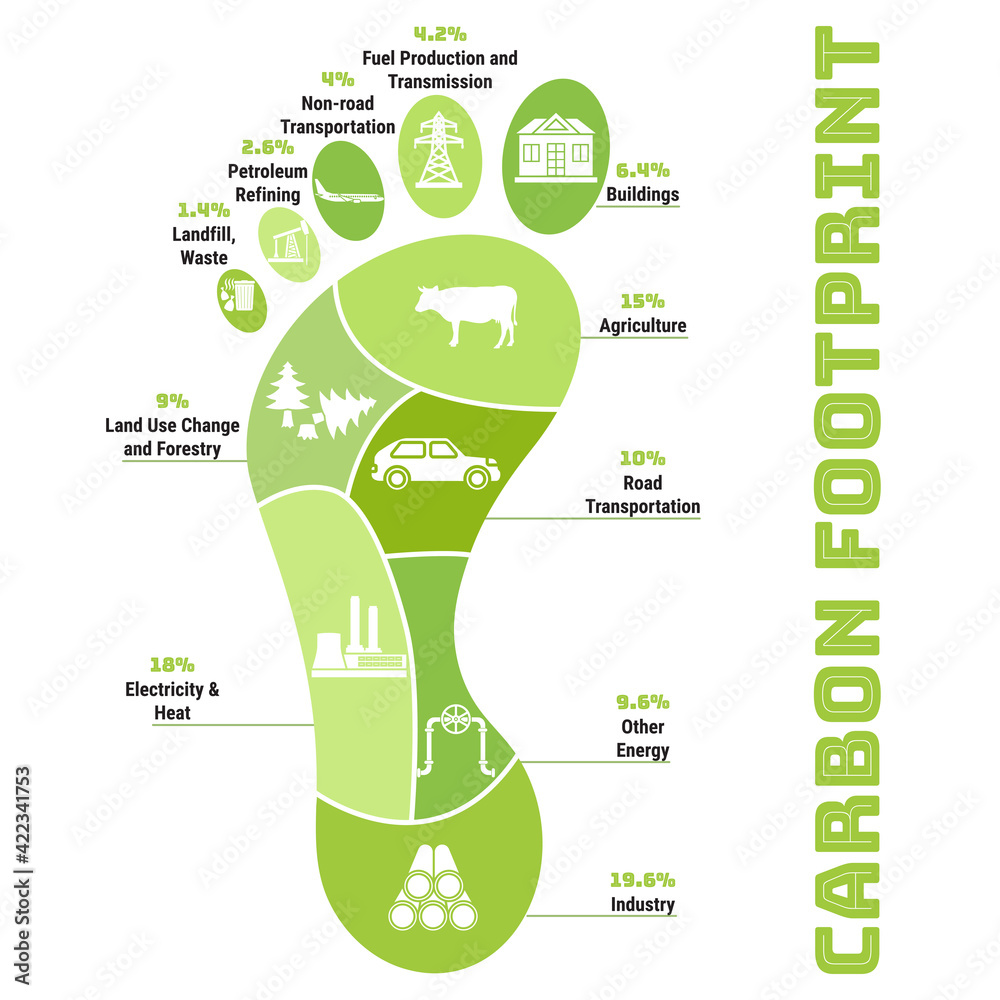
Alright, settle in, friends! Grab your lattes (soy, maybe? We'll get to that later...). We're about to dive into the wild world of carbon footprints. Now, I know what you're thinking: "Carbon footprint? Sounds boring, like a lecture from my eco-conscious Aunt Mildred." But trust me, this is surprisingly fascinating, and maybe even a little terrifying. But mostly fascinating! Think of it as detective work, but instead of solving a murder, we're solving... well, the potential murder of our planet. A bit dramatic? Maybe. But only a little!
What in the World is a Carbon Footprint Anyway?
Okay, so imagine you're a superhero. Your superpower? Every time you do something – drive your car, order that online gadget, even eat a burger – you leave behind tiny, invisible footprints made of carbon dioxide (CO2) and other greenhouse gases. These "footprints" float up into the atmosphere and trap heat, like a global warming blanket. A very, very itchy blanket, I might add.
Basically, your carbon footprint is the total amount of greenhouse gases your actions release into the atmosphere. It's like your ecological shadow, only way less cool than an actual shadow. Unless you're Batman. Then it's probably pretty cool.
Must Read
Surprising fact: Did you know that the average American has a carbon footprint that's almost four times the global average? Ouch. Time to ditch the monster truck and embrace the bicycle, maybe?
So, How Does This Footprint Mess Things Up?
Alright, here's where things get a little less funny and a little more "oh dear." All those greenhouse gases we're pumping into the atmosphere are causing some serious environmental mayhem. Think of it like this: the Earth is a giant pizza oven, and we keep cranking up the temperature. Who ordered extra crispy Earth?
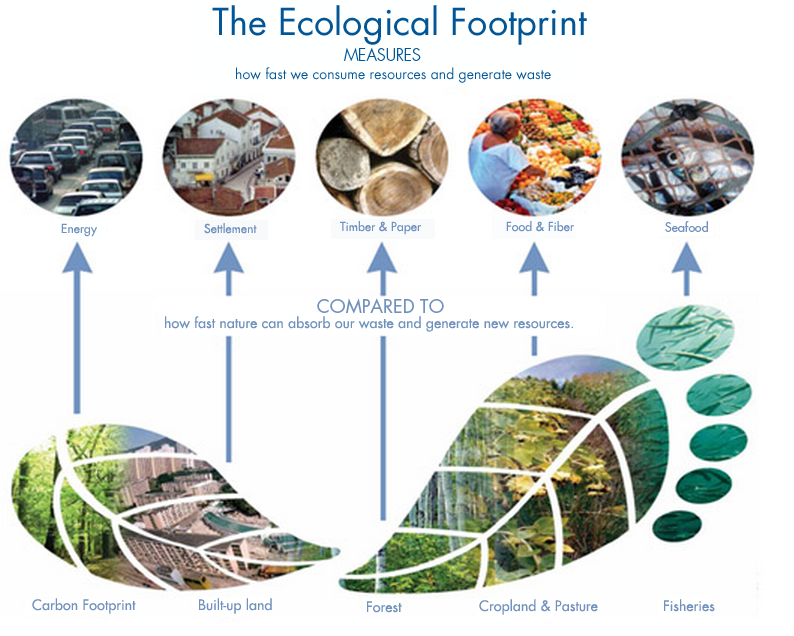
One of the biggest consequences is climate change. We're talking rising sea levels (bye-bye coastal cities!), more extreme weather events (hurricanes that are, like, extra hurricaney), and melting polar ice caps (poor polar bears!). It's basically a disaster movie, only we're all starring in it. And no, there's no guarantee Bruce Willis will save us.
Visual spacing:
Another issue is ocean acidification. The oceans absorb a lot of the CO2 we release, which turns the water more acidic. This is bad news for marine life, especially shellfish and coral reefs. Imagine trying to build a house out of chalk, and then someone pours lemon juice all over it. Not ideal, right?
Then there's air pollution. Burning fossil fuels releases all sorts of nasty stuff into the air, like particulate matter and smog. This can cause respiratory problems, heart disease, and even cancer. So, basically, your carbon footprint isn't just bad for the planet, it's bad for your health too. Talk about a double whammy!
The Culprits: Who's Stepping All Over the Environment?
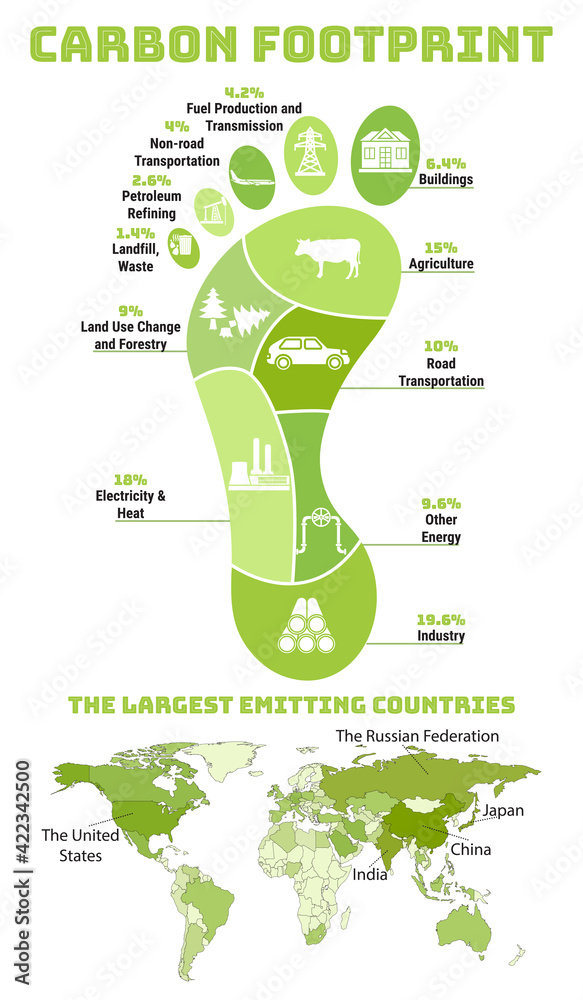
Now, let's point some fingers (gently, of course). Some activities are bigger carbon footprint offenders than others. Here are a few of the usual suspects:
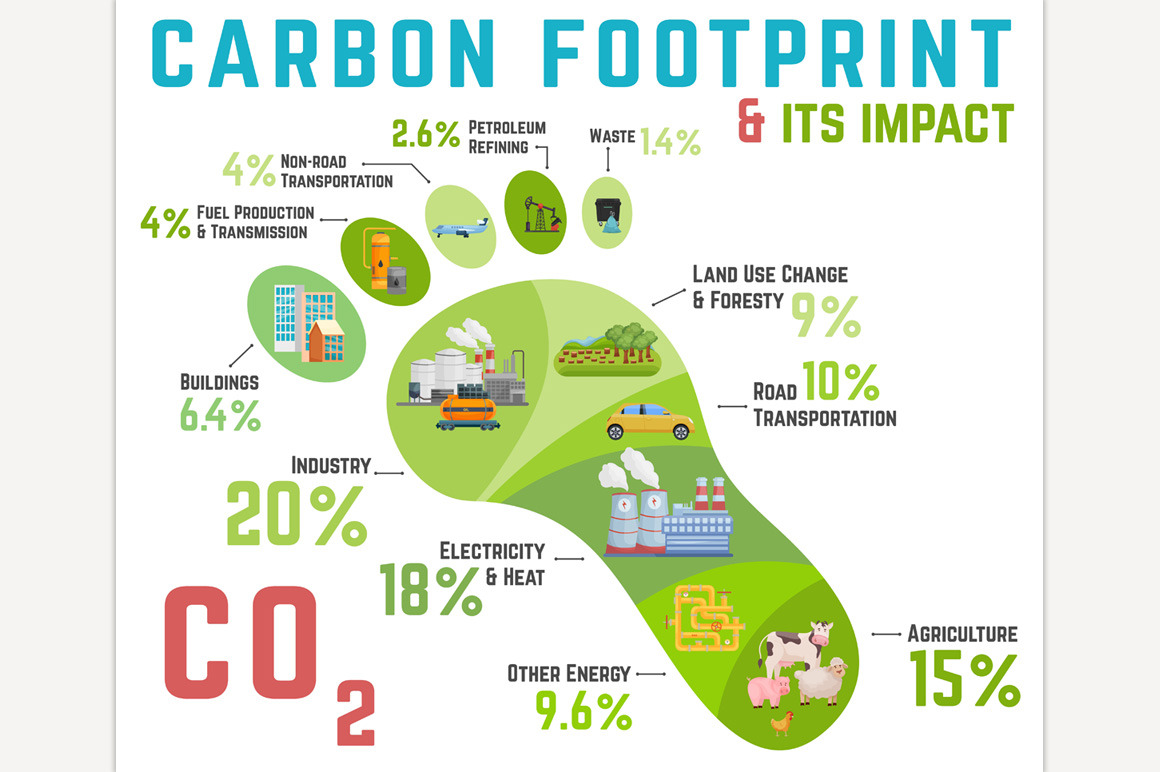
- Transportation: Cars, planes, trains – anything that burns fossil fuels. Flying is especially bad. That cheap flight to Cancun? Turns out, it cost the planet a little extra.
- Energy consumption: Powering our homes with electricity generated from coal or natural gas. Leaving the lights on when you're not in the room? Guilty!
- Food production: Especially meat. Raising livestock requires a lot of land, water, and feed, and it also releases a lot of methane (a potent greenhouse gas). So maybe skip that triple cheeseburger and try a veggie burger instead? Just sayin'.
- Manufacturing: Making all the stuff we buy – clothes, electronics, furniture – requires a lot of energy and resources. That new phone? It came with a side of carbon emissions.
Surprising fact #2: Beef production is one of the most carbon-intensive activities on the planet. One kilogram of beef generates around 27 kilograms of CO2 equivalent. That's like driving your car for 60 miles! So, next time you're craving a steak, maybe consider a nice portobello mushroom instead.
Okay, I'm Depressed. What Can I Do About It?
Don't despair! The good news is that we can all take steps to reduce our carbon footprints. It's not about becoming a hermit and living in a cave (unless you're into that sort of thing). It's about making small, sustainable changes in our daily lives.
Here are a few ideas:
- Reduce, reuse, recycle: Obvious, but important. Buy less stuff, reuse what you have, and recycle everything you can. Bonus points for composting!
- Eat less meat: Even cutting back on meat one day a week can make a big difference. Meatless Mondays, anyone?
- Use public transportation, bike, or walk: Get some exercise and reduce your emissions at the same time. It's a win-win!
- Conserve energy: Turn off lights when you leave a room, unplug electronics when you're not using them, and switch to energy-efficient light bulbs.
- Fly less: Consider taking a train or bus instead of flying, or choose destinations closer to home. Staycations are underrated!
- Support sustainable businesses: Buy products from companies that are committed to reducing their environmental impact.
Ultimately, reducing our carbon footprints is a team effort. We all need to do our part to protect the planet for future generations. So, let's start stepping a little lighter. And maybe skip the plastic straw while we're at it. The Earth will thank you for it!
Now, who's up for a soy latte...?