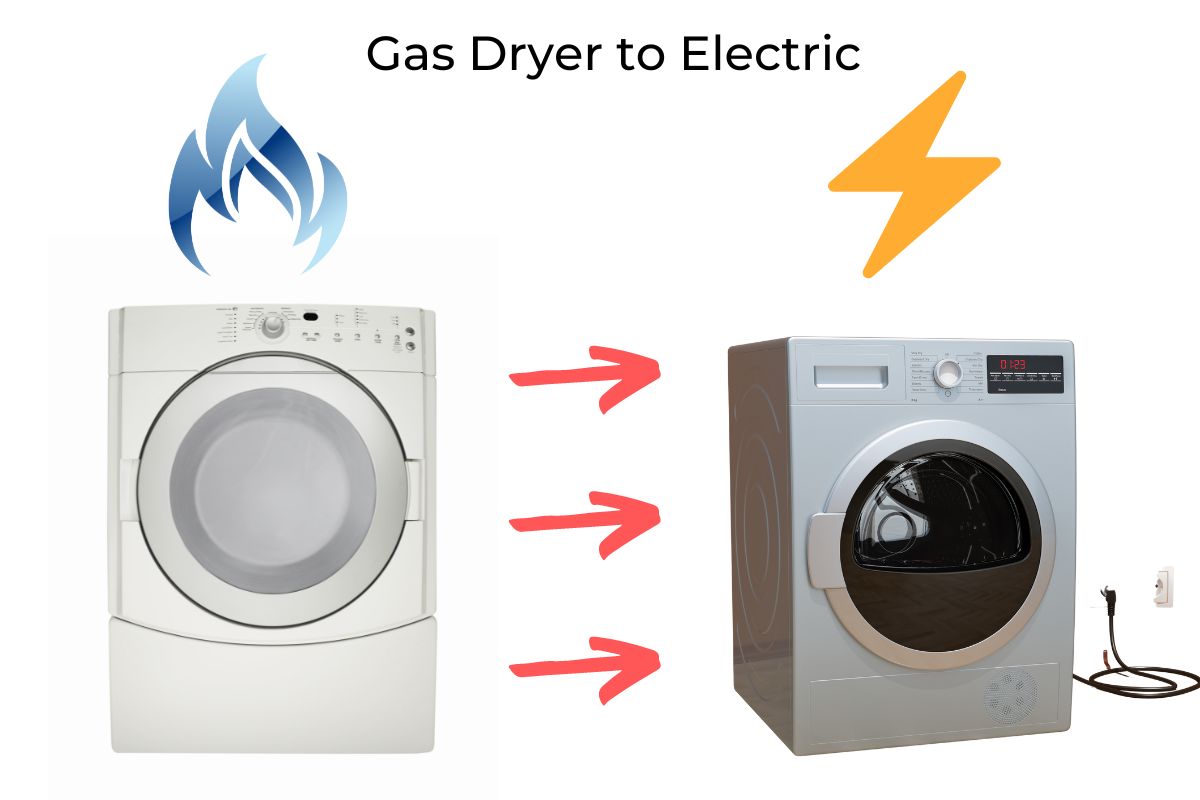
How Can You Tell If Dryer Is Gas Or Electric

Ever stood in front of a dryer, laundry basket overflowing, ready to conquer Mount Washmore, only to be struck by a moment of… confusion? "Wait," you think, "is this thing gas or electric?" It's a surprisingly common head-scratcher, especially if you've just moved, are renting, or inherited a laundry room of mysteries. Don't worry, you're not alone. This isn't some cryptic riddle worthy of the Sphinx; it's a simple question with a few easy answers.
The Great Plug Debate: Voltage is Key
The first, and often most obvious, clue lies in the power cord. Think of it like this: a gas dryer is like a hybrid car – it needs a little electricity to run the controls and the drum, but the real heat comes from another source. An electric dryer, on the other hand, is like a full-on electric vehicle – it needs a substantial electrical connection to generate all that heat.
Check the Plug:
Must Read
- Electric Dryers: These bad boys sport a hefty, 240-volt plug. It’s usually a large, three- or four-prong plug. This is your dead giveaway! Think of it as the electrical equivalent of a double espresso – powerful and necessary.
- Gas Dryers: These have a standard, 120-volt plug, the kind you see on lamps, toasters, and your trusty phone charger. It’s only powering the motor and controls, not the heating element.
No plug at all? Maybe you are looking at the wrong thing or it has been unplugged. Still, if the receptacle where you are plugging the dryer into looks like a regular wall outlet, there is a high probability that it is for a gas dryer. Otherwise, if the outlet where you are plugging the dryer into has those roundish holes, then it is definitely for an electric dryer.
The Flexible Friend: Examining the Hookup
Beyond the plug, take a peek behind the dryer. This is where things get interesting – and potentially smelly, so maybe grab a dryer sheet as a preemptive strike. Here, you're looking for a flexible metal pipe. This is almost exclusively a marker of a gas dryer.

Look for a Gas Line:
- Gas Dryers: You’ll likely see a flexible, corrugated metal pipe (the gas line) connected to the back of the dryer. This supplies the natural gas or propane needed for heating. Think of it as the dryer’s lifeline to warmth.
- Electric Dryers: No metal pipe here! Just the electrical cord. It’s clean, simple, and electrically charged.
The Label Knows: Reading the Fine Print
Still unsure? Time to play detective. Look for a label, usually on the back of the dryer or inside the door. This label contains vital information, including the model number and the type of fuel the dryer uses.
:max_bytes(150000):strip_icc()/gas-dryer-vs-electric-dryer-2146251_FINAL-5bbe54b846e0fb00511f28f4.png)
Decoding the Label:
- Look for the words "Gas" or "Electric" clearly indicated on the label. Sometimes, it's even abbreviated (e.g., "GAS" or "ELEC").
- The model number might also give you a clue. A quick Google search of the model number should confirm whether it's gas or electric.
The Vent Verdict: Where Does the Air Go?
Both gas and electric dryers need to vent hot, moist air outside. But the venting itself doesn't necessarily tell you whether it's gas or electric. Both types will have a vent that you should clean regularly to prevent fires! This isn't just a chore; it's a safety precaution. Think of it as flossing for your dryer – important for its (and your) well-being.
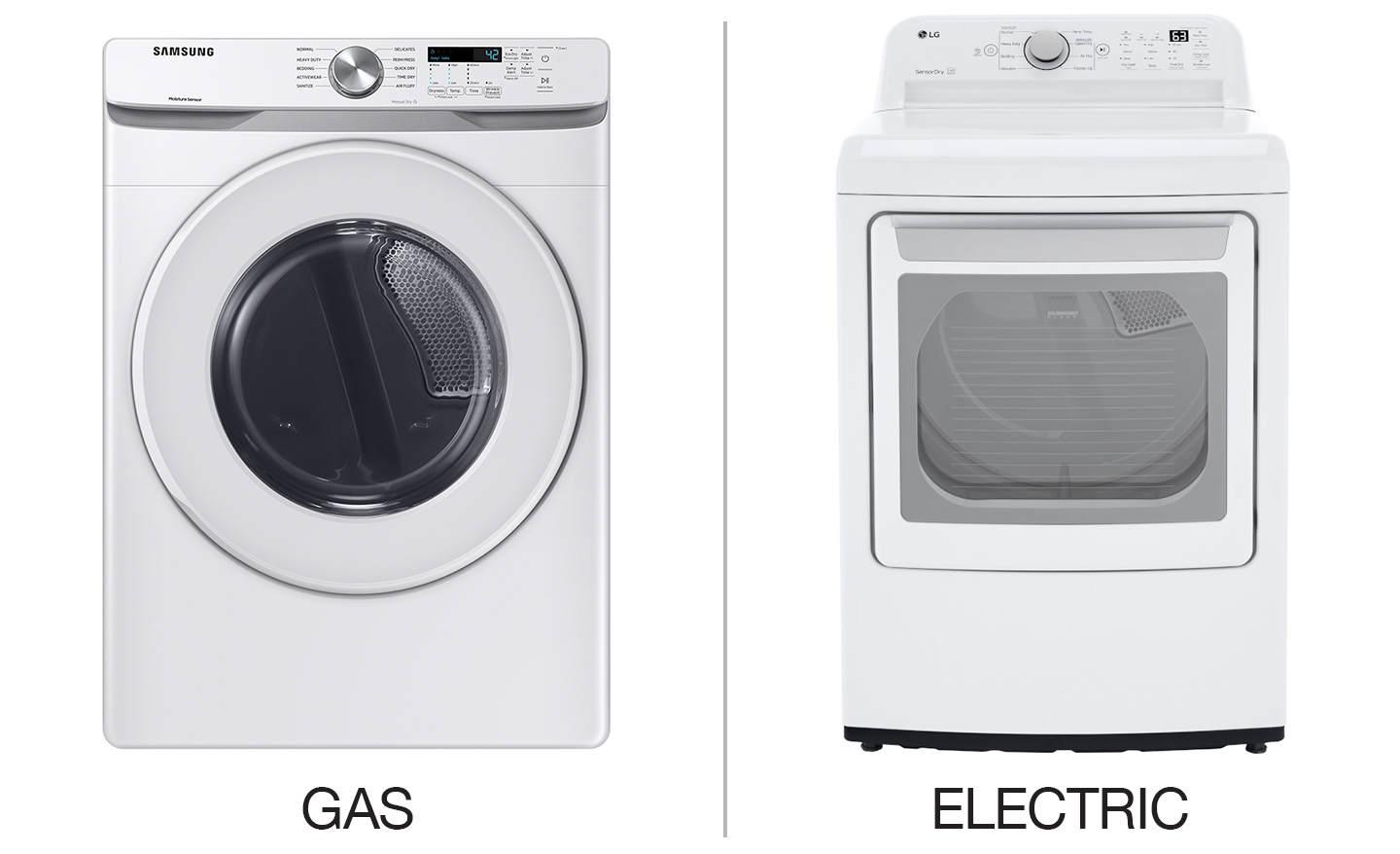
Don't rely on the vent as a primary indicator, but keep it clean regardless!
Why Does It Matter?
Knowing whether your dryer is gas or electric is important for a few reasons:
- Safety: Understanding how your appliances work is crucial for safety. If you suspect a gas leak, for example, you need to know how to shut off the gas supply.
- Installation: When installing a new dryer, you need to ensure you have the correct electrical outlet or gas connection.
- Energy Costs: Gas dryers are generally cheaper to operate than electric dryers, but this can vary depending on gas and electricity prices in your area.
In conclusion, figuring out if your dryer is gas or electric doesn't require a degree in engineering. A quick check of the plug, a glance at the back, and a peek at the label will usually reveal the answer. So, the next time you face the laundry room conundrum, you'll be armed with the knowledge to confidently conquer that pile of clothes. And remember, a little knowledge goes a long way – both in the laundry room and in life.