
How Can You Tell If Christmas Lights Are Led
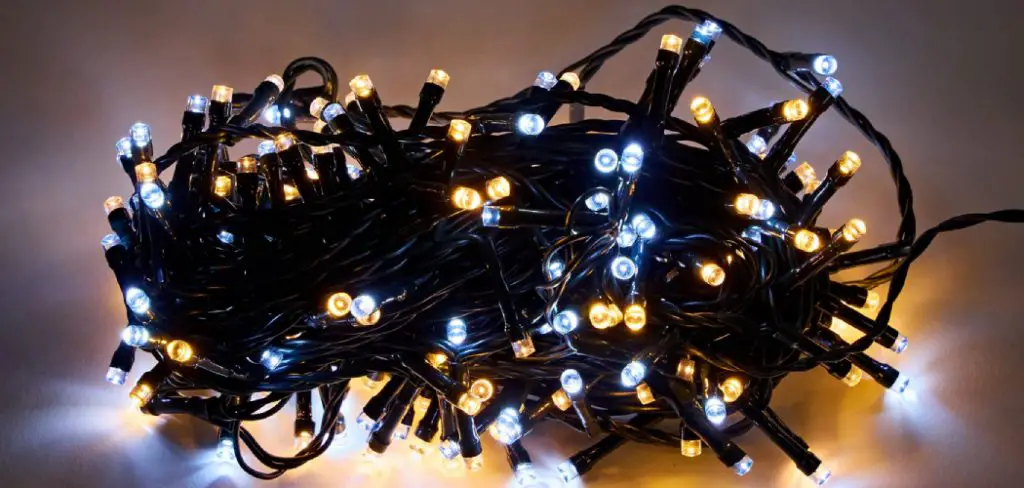
The festive season is upon us, and that means one thing: it’s time to deck the halls! But before you unleash your inner Clark Griswold, let’s talk Christmas lights. Specifically, how to tell if those twinkling beauties are LED. Because let’s be honest, in this day and age, burning through electricity like it’s going out of style is so last century.
The Obvious Clues: Packaging and Price
Let’s start with the low-hanging fruit. The easiest way to tell if your Christmas lights are LED is to check the packaging. Look for keywords like "LED," "light-emitting diode," or even just symbols resembling the LED logo. Manufacturers are usually pretty upfront about this selling point. After all, energy efficiency is a big deal!
Consider the price, too. LED lights tend to be a bit more expensive upfront than their incandescent counterparts. Think of it as an investment. You’ll save money in the long run on your electricity bill, and you won’t have to replace them as often. Remember that old adage, "You get what you pay for"? It applies here. Plus, they last significantly longer, which is a win for your wallet and the environment!
Must Read
Visual Inspection: The Bulb Itself
If you’ve misplaced the packaging (we’ve all been there), don’t fret. A closer look at the bulb itself can reveal its secrets.
LED bulbs are usually made of plastic or epoxy resin. Incandescent bulbs, on the other hand, are made of glass. The plastic or epoxy resin often has a slightly frosted or opaque appearance, while incandescent bulbs are crystal clear. Think of it like comparing a smooth river stone (LED) to a clear glass marble (incandescent).
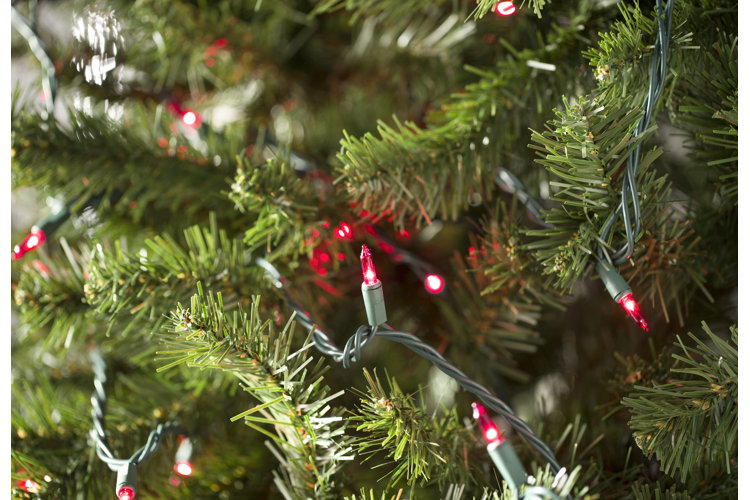
Another clue lies in the shape of the bulb. While both LED and incandescent lights come in a variety of shapes, LED bulbs often have a more pointed or conical shape, especially the older designs. Incandescent bulbs tend to be rounder, like little glass orbs. However, advances in LED technology mean that LED bulbs can now mimic the shapes of traditional incandescent bulbs, so use this clue with caution.
Feeling the Heat (or Lack Thereof)
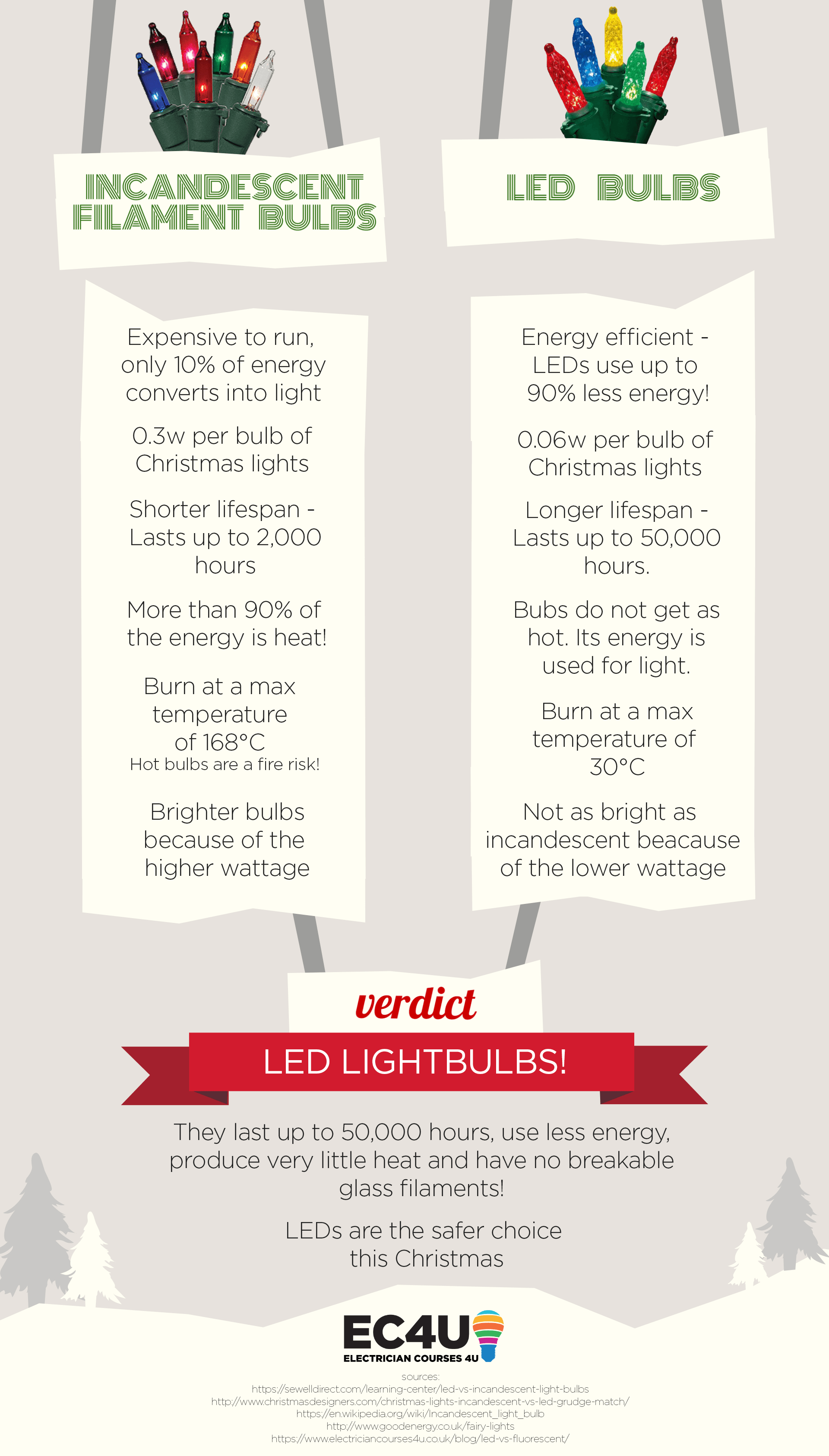
This is a pretty reliable test. Turn on the lights and let them run for a few minutes. Then, carefully touch the bulbs (be cautious and don't burn yourself!). LED lights produce very little heat, while incandescent bulbs get noticeably warm to the touch, if not outright hot. This is because incandescent bulbs waste a lot of energy by converting it into heat. LED lights are far more efficient at converting energy into light.
Think of it like comparing a modern solar panel to a traditional fireplace. One is cool and efficient, the other radiates heat.

The Color Test
LED lights often have a purer, more vibrant color than incandescent lights. While incandescent lights emit a warm, yellowish glow, LEDs can produce a wider range of colors, including a brighter, more intense white.
However, this isn’t a foolproof method. Manufacturers can now manipulate the color temperature of LED lights to mimic the warmer tones of incandescent bulbs. So, while color can be a clue, don’t rely on it solely.
The Flickering Phenomenon
Incandescent lights can sometimes flicker noticeably, especially as they near the end of their lifespan. LED lights, on the other hand, tend to have a more stable and consistent light output. If your lights are flickering like a scene from a horror movie, chances are they're not LED.
The Verdict: Why It Matters
Knowing whether your Christmas lights are LED is more than just trivia. It's about being conscious of your energy consumption, reducing your carbon footprint, and saving money. It's a small change that can make a big difference. Think of it as a tiny act of eco-heroism, all while making your home look festive.
So, this holiday season, take a moment to examine your lights. Are they shining bright while sipping energy like a hummingbird? Or are they guzzling electricity like a Hummer at a gas station? Knowing the difference can help you make more informed choices, not just during the holidays, but in all aspects of your life. Being mindful of our consumption is a gift we can give ourselves and the planet, all year round.
![Incandescent Vs LED Christmas Lights [Infographic] - Visualistan](https://3.bp.blogspot.com/-AGtiNhtw-HM/UmywtOEHnkI/AAAAAAAADt0/9n0Lwi8r6i0/s640/Incandescent-Vs-LED-Christmas-Lights-Infographic.png)