How Can You Protect Yourself From A Tsunami
Hey there, friend! Ever think about tsunamis? Probably not while you’re sipping your latte, right? But hey, a little knowledge can go a long way, especially when Mother Nature decides to throw a watery tantrum. So, let's chat about how to stay safe when a tsunami decides to crash the party. Think of this as your "Tsunami Survival 101" – no pop quizzes, promise!
Know Your Zone (And Get Outta There!)
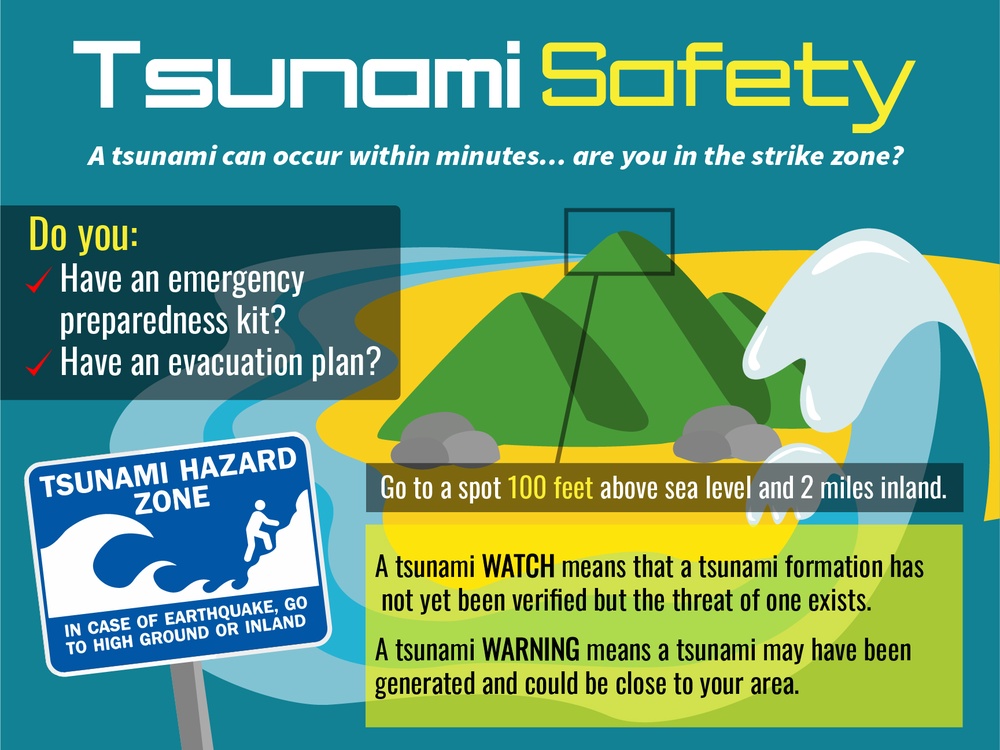
First things first: are you in a tsunami zone? Find out! Seriously, Google it. Your local government or emergency management agency has maps and information. Knowing if you're in a high-risk area is step one in the "not-getting-swept-away" process. And, if you are, that doesn’t mean you have to sell your beachfront property (unless you really want to!). It just means you need to be prepared.
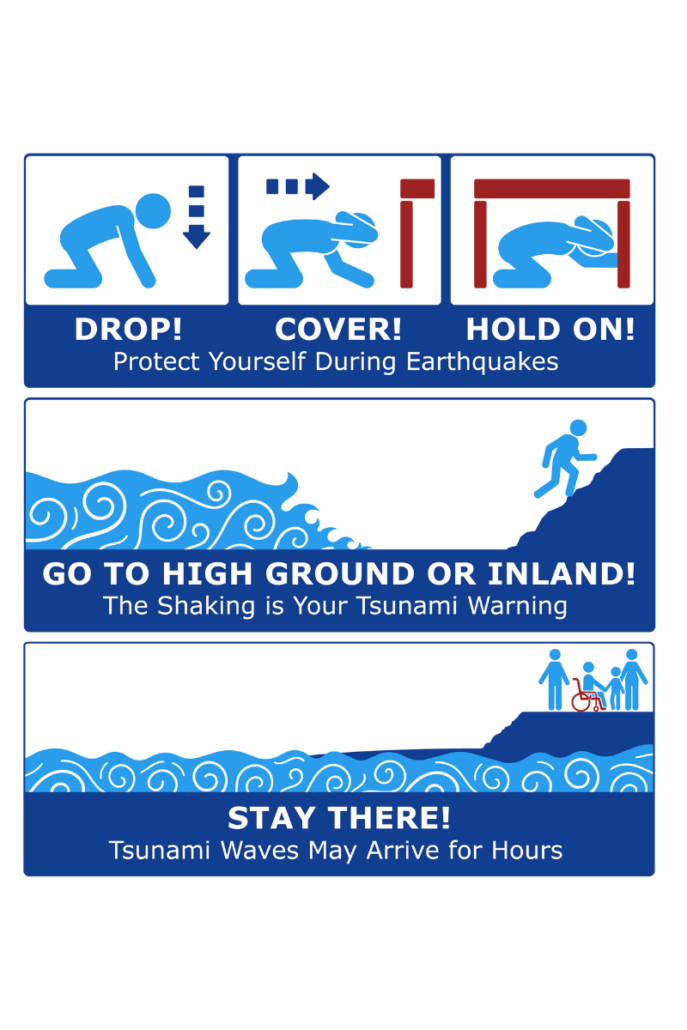
Now, the golden rule: if you get a tsunami warning, don’t wait for the water to come to you! Head for higher ground. Immediately. Think of it like a surprise gym class… but way more important. The higher, the better. Forget your beach towel, your seashell collection, and Aunt Mildred's prized ceramic flamingo. Just. Go.
Must Read
Listen Up: Nature's Trying to Tell You Something!
Sometimes, you won't get an official warning. Mother Nature has her own ways of communicating, and it's up to us to listen. Did you feel a strong earthquake that lasted a while? Especially if you're near the coast? Consider that your personal tsunami alarm! Earthquakes are often the culprits behind these big waves. Don't stick around to see if you were right. Just. Go. Now.
Also, pay attention to the sea itself. If the water suddenly recedes way further than usual, exposing the seabed, that's a huge red flag! It's like the ocean is taking a giant breath before unleashing a massive wave. That water’s about to come rushing back, and it's not bringing souvenirs. (Unless you count seaweed a souvenir... then, yeah, it is.)
Have a Plan (And Maybe Some Snacks)
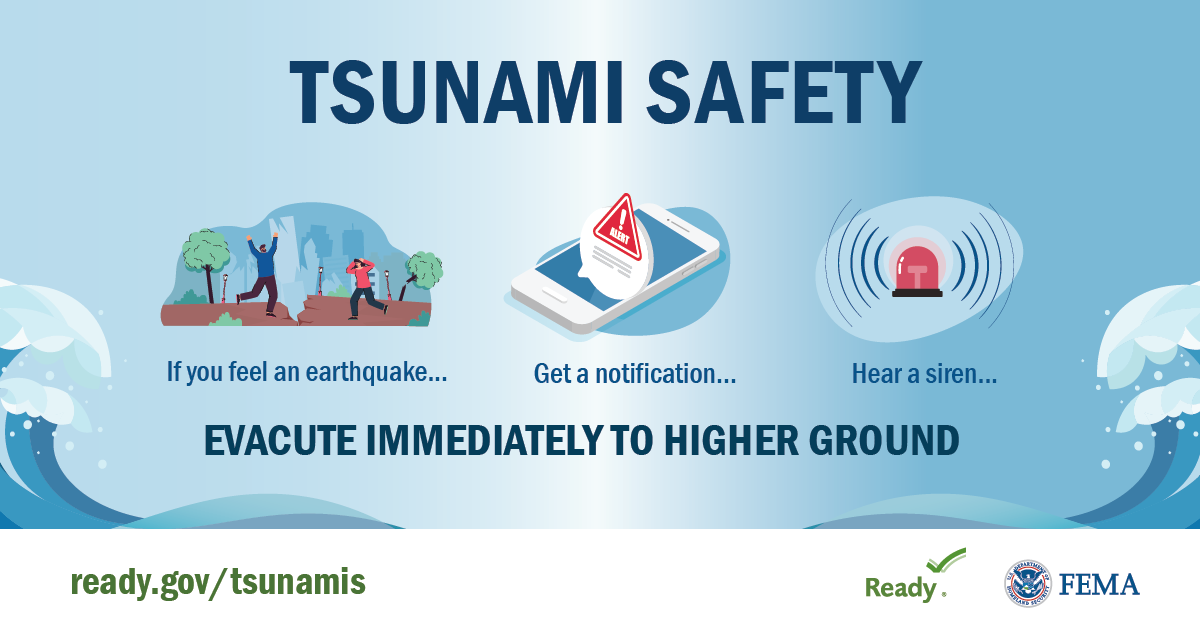
Okay, so you know you're in a tsunami zone. Great! Now, what’s the plan? Discuss with your family the evacuation routes and where to meet. Pick a place that's high up and inland. Make sure everyone knows it. And, hey, while you’re at it, pack a go-bag with essentials: water, non-perishable food, a first-aid kit, a flashlight, and maybe a book to keep you entertained while you wait it out. Don't forget any necessary medications! Think of it as a mini-vacation, just… unplanned and potentially damp.
Practice your evacuation. Seriously! Walk or drive the route. Time it. See if there are any bottlenecks. It's better to figure that out during a drill than when a real tsunami is barreling towards you.
Buildings: Friend or Foe?
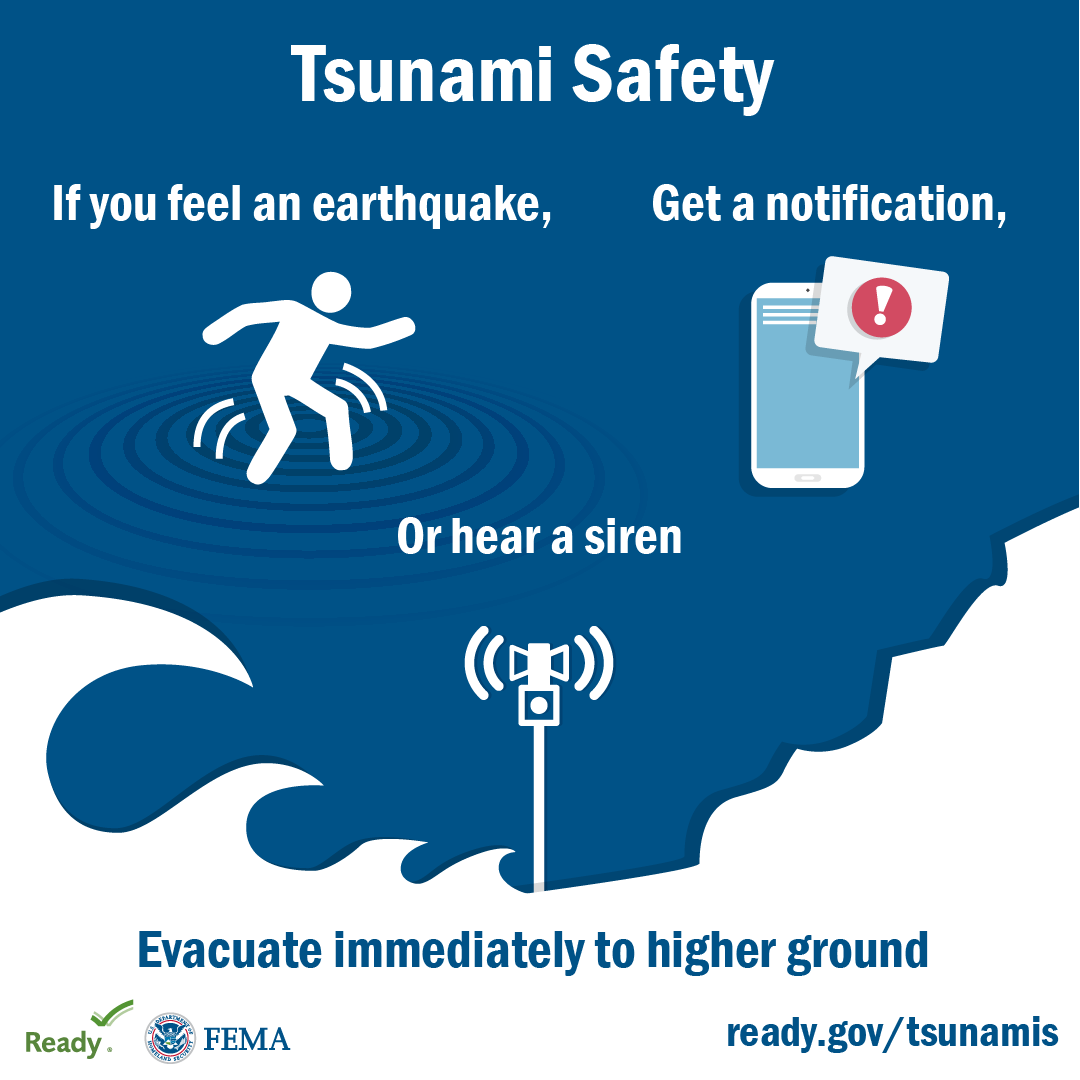
If you can’t get to high ground, and you're in a specially designed tsunami-resistant building, head for the upper floors. These buildings are rare, though, so don't just assume the nearest hotel is tsunami-proof. If you're in a regular building, it's probably not going to fare well against a massive wave. Remember, the goal is to get above the water line, not to admire the view from the lobby while being swept away.
After the Wave: Be Smart
Okay, the tsunami has passed. But that doesn't mean it's safe to go home just yet. Wait for the official "all clear" from authorities. Tsunamis can have multiple waves, and the first one might not be the biggest. Plus, there could be debris and damage everywhere, making it dangerous to navigate.

And when you do go back, be careful. Watch out for downed power lines, structural damage, and contaminated water. Report any hazards to the authorities. And, you know, maybe offer Aunt Mildred a new ceramic flamingo. (Just kidding… mostly.)
So there you have it! Tsunami preparedness in a nutshell. It might seem a bit scary, but remember, being prepared is all about empowering yourself. Knowledge is power, and a little planning can go a long way in keeping you and your loved ones safe. Now go forth, enjoy the beach, and remember: stay informed, stay alert, and stay high and dry! And hey, if you ever find yourself surfing a tsunami, send me a postcard!