How Can You Protect Yourself From A Hurricane

Ever watched a hurricane roar across the screen and wondered what it's really like to be in one? Or maybe you're just curious about how people prepare for these colossal storms. Understanding hurricane safety isn't just about surviving a disaster; it's about peace of mind, knowing you've done everything you can to protect yourself and your loved ones. It's a skill that could prove invaluable, whether you live in a hurricane-prone area or are just planning a vacation near the coast.
The purpose of learning about hurricane protection is straightforward: to minimize risk during and after a hurricane. The benefits are numerous. You'll be better equipped to protect your property, ensure your family's safety, and potentially even help your neighbors. Knowing what to do can reduce anxiety and promote calm in a stressful situation. After all, feeling prepared makes a world of difference.
Hurricane preparedness finds its way into everyday life and education in surprising ways. Schools often incorporate hurricane safety drills into their curriculum, teaching children what to do in case of an emergency. Communities host workshops on emergency preparedness, covering topics like building a disaster kit and creating an evacuation plan. Even simply watching a weather forecast and understanding the terminology related to hurricanes is a form of education and preparedness.
Must Read
So, how can you actually protect yourself from a hurricane? Here are some practical tips to get you started:

- Know Your Risk: Find out if you live in an evacuation zone. Your local emergency management agency will have this information readily available online or via phone.
- Develop a Plan: Discuss a family evacuation plan. Where will you go? How will you communicate? Who will you contact? Write it down and practice it!
- Build a Disaster Kit: This is your lifeline. Include essentials like water (at least one gallon per person per day for several days), non-perishable food, a battery-powered or hand-crank radio, a flashlight, a first-aid kit, medications, and personal hygiene items. Don't forget pet supplies!
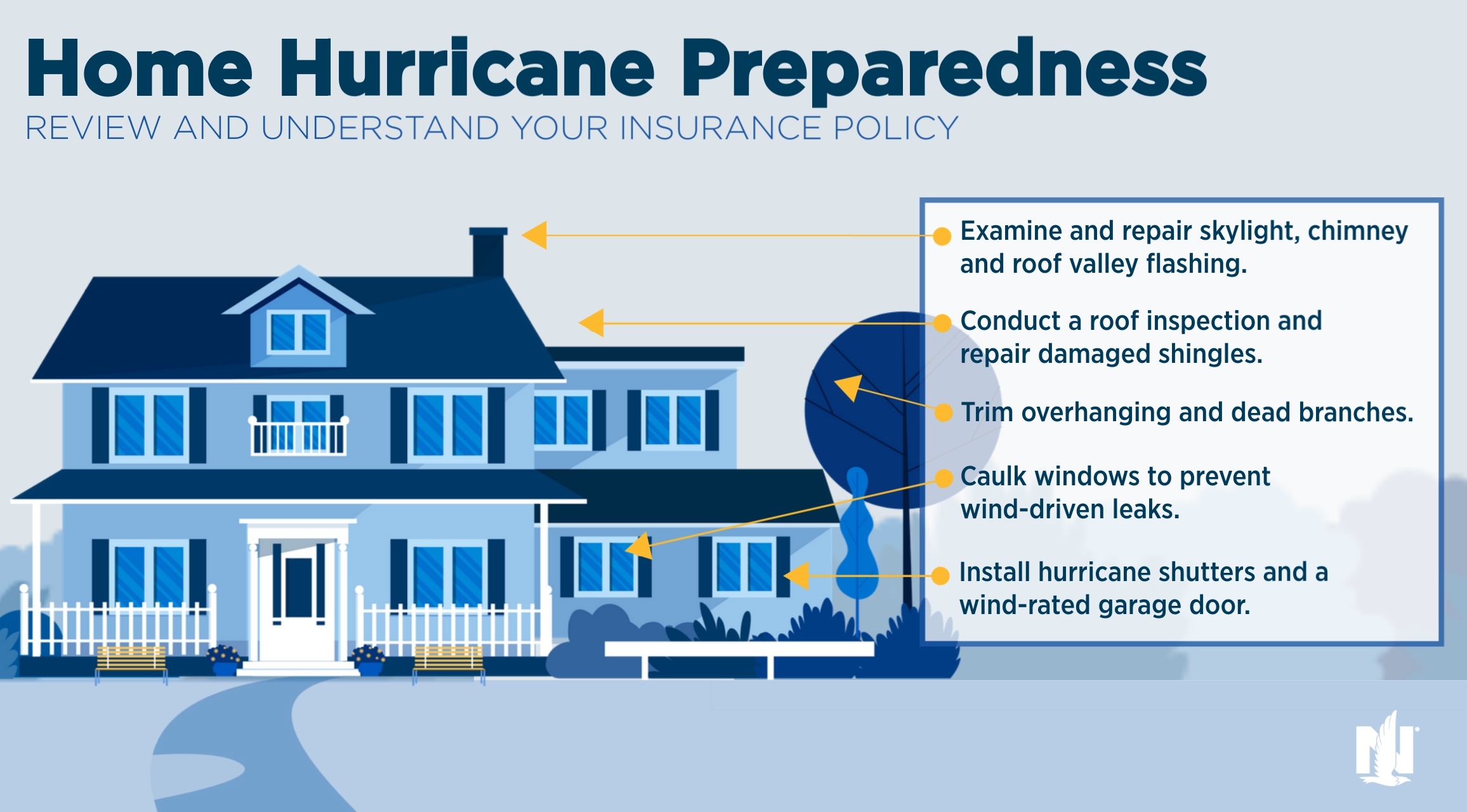
- Protect Your Home: Secure your windows and doors. Consider installing hurricane shutters or plywood covers. Trim trees and shrubs that could become projectiles in high winds. Bring loose outdoor items inside.
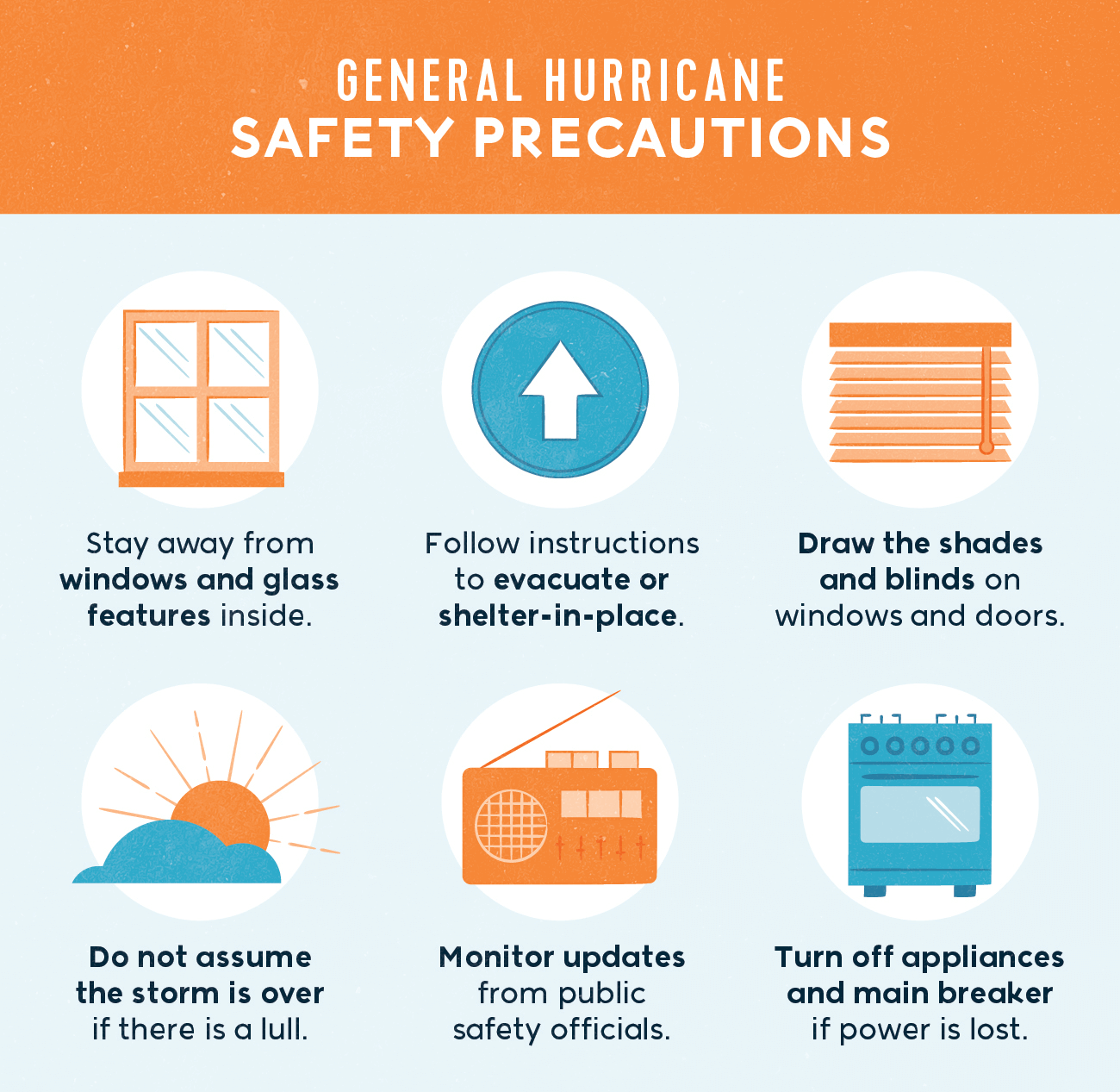
- Stay Informed: Monitor weather forecasts and official alerts from the National Hurricane Center. Pay attention to evacuation orders and heed warnings from local authorities.
- Evacuate if Ordered: Don't hesitate. Your life is more important than your belongings.
- Stay Inside During the Storm: Even after the eye of the storm passes, conditions can rapidly deteriorate. Stay indoors until officials declare it safe to venture out.
Want to explore this topic further? Start by visiting the National Hurricane Center's website (nhc.noaa.gov). They have a wealth of information, including forecasts, historical data, and preparedness tips. Talk to your neighbors about their hurricane plans. Attend a local emergency preparedness workshop. Read up on successful hurricane survival stories. The more you learn, the more prepared you'll be.
Remember, protecting yourself from a hurricane isn't about being scared; it's about being empowered. By taking these simple steps, you can significantly increase your chances of staying safe and weathering the storm – both literally and figuratively. And that's something worth investing in.