Ever gazed at a pile of garden clippings, a wilting banana peel, or even a discarded coffee ground and wondered if there was more to it than just trash? Well, buckle up, because those humble leftovers might just be the secret superheroes of our energy future! We're talking about Biomass Energy, and it's less about complicated science and more about nature's incredibly clever way of recycling everything.
Think of biomass as any organic material that comes from plants or animals. That means everything from the majestic forests that clean our air to the humble kernels of corn, the straw left in fields after harvest, and yes, even the stuff our farm animals leave behind. Instead of letting all this goodness just decompose (which it will, eventually), we're learning to coax out its hidden energy. It’s like giving nature a high-five for being so incredibly resourceful!
Powering Our Lives: From Farm to Plug
One of the most straightforward ways we use biomass is to generate electricity. Imagine vast fields of corn, not just for eating, but for their stalks and leaves after the harvest. Or wood chips from sustainably managed forests, even old sawdust from sawmills. These aren't just waste; they're fuel! These materials can be burned in specialized power plants, much like coal or natural gas, but with a crucial difference: the plants we burn grew by capturing carbon dioxide from the atmosphere. So, in a simplified sense, it's a much more balanced cycle.
It's a heartwarming thought: a farmer's leftover crops not only feeding people but also helping to light up homes across the country. It gives new meaning to the phrase "from farm to table" – now it's "from farm to lightbulb!"
"Who knew a pile of wood chips could be as powerful as a lightning bolt? Well, almost!"
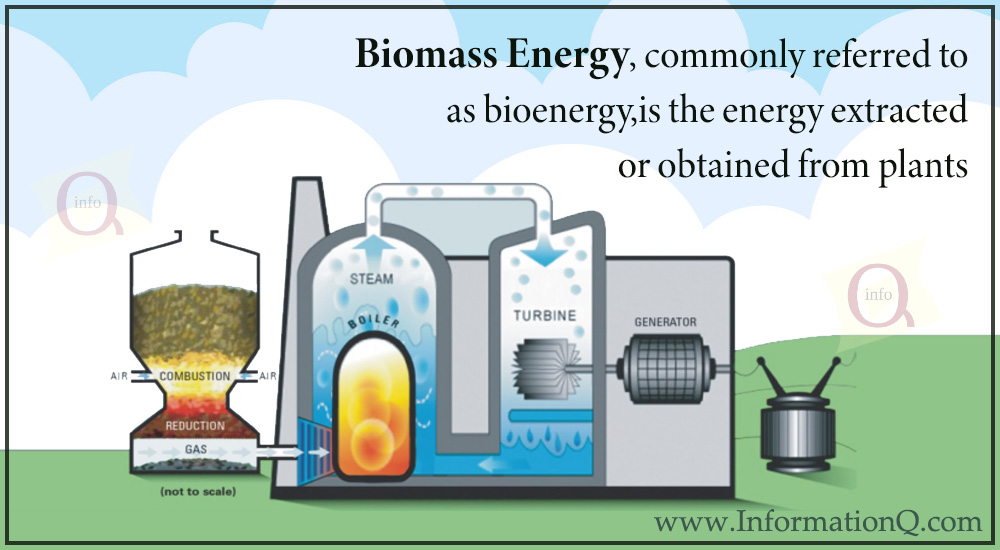
5 Uses of Biomass Energy Harnessing Sustainable Solutions - Power
Beyond electricity, biomass is fantastic for heating. We've all enjoyed the cozy warmth of a wood fire. But picture this on a larger scale: modern pellet stoves burning compressed wood pellets made from sawdust or forestry waste. These aren't just efficient; they’re incredibly convenient and often cleaner than traditional log fires. Some entire communities, schools, or businesses are even warmed by biomass-fueled boilers, turning local waste into essential heat. It’s a wonderful example of keeping energy local and sustainable.
Fueling Our Journeys: The Unexpected Road Trip
Here’s where it gets really surprising: your next road trip could be powered by something truly unexpected. Biomass can be turned into liquid fuels, often called biofuels. Ethanol, derived mainly from corn or sugarcane, is probably the most famous example, blended into gasoline to make our cars run. But the innovation doesn't stop there.
Imagine the used cooking oil from your favorite restaurant not going down the drain, but being collected and transformed into biodiesel! That humble fat that once fried your french fries could be propelling your car down the highway. And scientists are even exploring algae – those tiny green organisms that sometimes grow in ponds – as a super-efficient source for future biofuels. It’s mind-boggling to think that a pond scum could one day fuel an airplane!
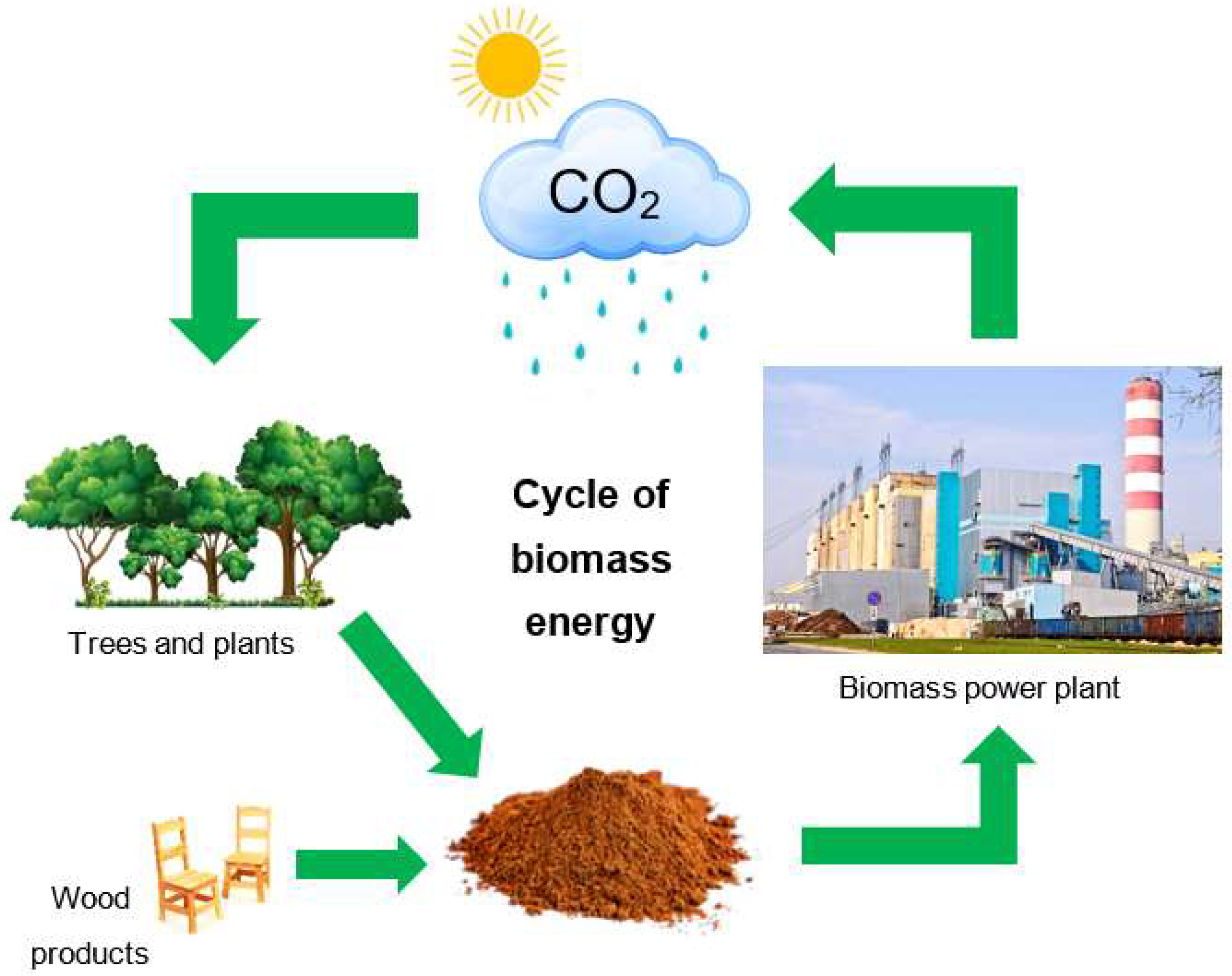
What is Biomass Energy? Types and How does Biomass Energy Work?
"Your next tank of gas might have started life as a cornstalk, or even a batch of used french fry oil. Talk about a glow-up!"
Beyond Energy: The Magic of Biomass Products
Biomass isn't just about burning for heat or turning into fuel. It's also an incredible raw material for all sorts of everyday products, helping us move away from fossil-based plastics and chemicals. Think about those "compostable" forks and plates you see at picnics. Often, they're made from biomass – like corn starch or sugarcane pulp – meaning they can break down harmlessly back into the earth after use. It’s a beautiful full circle, reducing waste and creating less pollution.
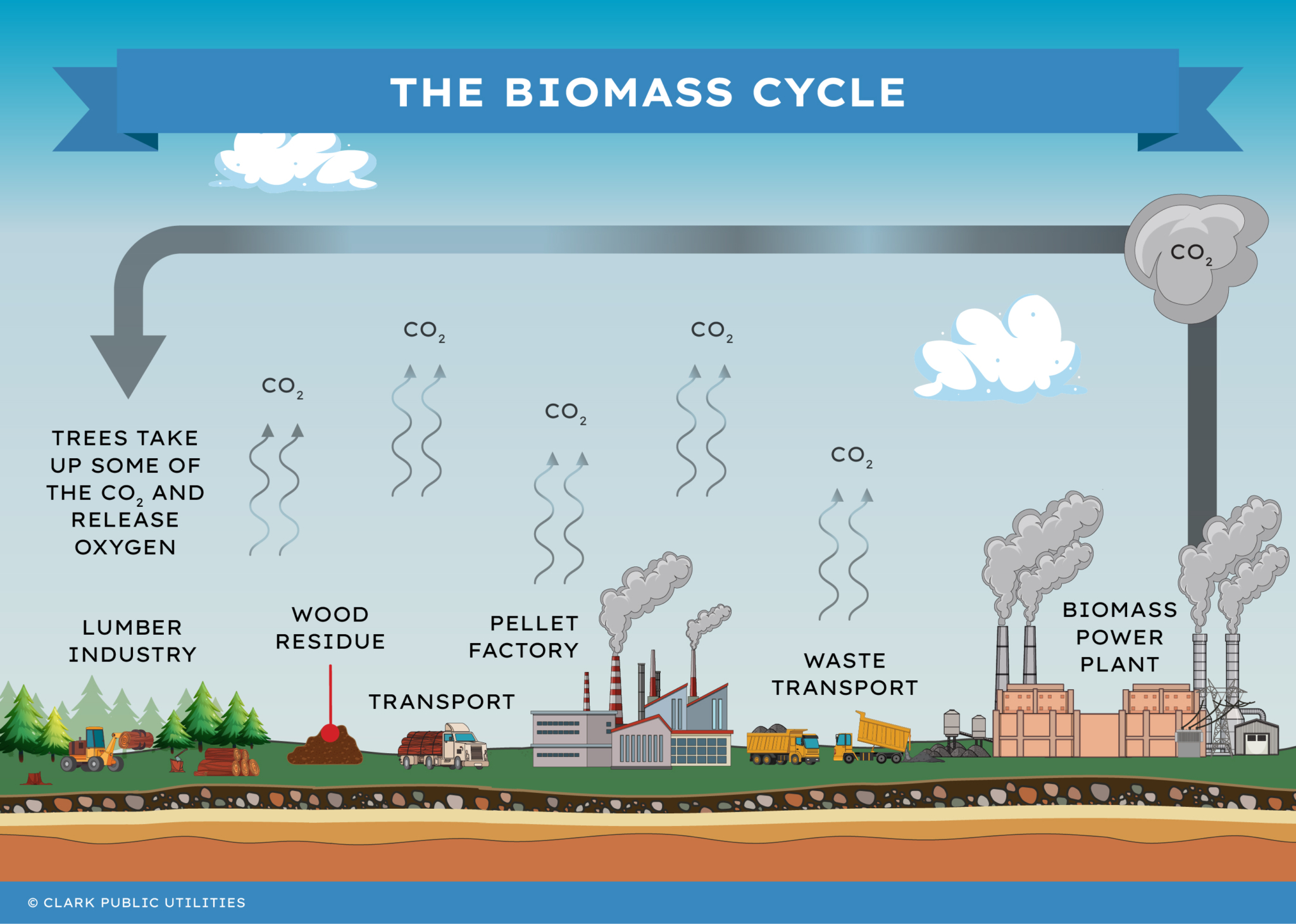
Biomass Energy - How Do We Make Energy From Waste? - Clark Public
Even chemicals used in everything from cleaning products to cosmetics can be derived from biomass, offering greener alternatives to petroleum-based ingredients. It's like nature saying, "I've got you covered, from your power to your plastic!"
A Bright, Green Future with Biomass
So, the next time you see a pile of garden waste or a farmer's leftover crop, remember its amazing potential. Biomass energy is a testament to nature's incredible ability to cycle and recycle, offering us a path to a more sustainable, less wasteful future. It's a surprising, often humorous, and always heartwarming reminder that sometimes, the greatest solutions are found in the most humble places – even in a banana peel.
By embracing biomass, we're not just finding new energy sources; we're giving a purpose to what was once discarded, creating a world where every organic bit can play a part in powering our lives and protecting our planet.