How Can We Prepare For Floods

Ever thought about how empowering it feels to be ready for anything? Preparing for potential floods might not sound like a party, but it’s actually one of the most practical and peace-of-mind-inducing things you can do for your home and family. Think of it like planning a fantastic road trip: you wouldn't just hop in the car without checking the oil or packing some snacks, right? Getting ready for floods is similar – it's all about smart planning so you can relax and enjoy life, knowing you've got your bases covered. It’s not about fear; it's about empowerment and clever thinking!
This journey into flood preparedness is useful for just about everyone. For beginners, it’s a fantastic way to demystify what can seem like a daunting topic. We’ll break it down into bite-sized, actionable steps so you can start building your resilience without feeling overwhelmed. If you're looking out for your family, these tips are gold. You’ll learn how to safeguard your loved ones, protect your home, and create a clear plan that everyone understands – even the little ones can help pack a go-bag! And for the hobbyists among us, perhaps those who love organizing, optimizing, or taking pride in a well-prepared home, you'll find plenty to dive into, from crafting the perfect emergency kit to understanding local flood risks. It’s all about becoming a savvy home guardian.
The beauty of flood preparation is its versatility. "Floods" aren't all the same, and neither are the ways we prepare. You might be bracing for a flash flood from a sudden downpour, a river flood that slowly rises over days, or even a coastal flood during a big storm surge. Each scenario calls for slightly different considerations, from quick evacuation plans to sandbagging efforts. The preparation can be as simple as having a 'grab-and-go' bag ready, or as comprehensive as understanding your home's structural vulnerabilities and where to elevate essential items. It's about tailoring your readiness to your specific environment and needs.
Must Read
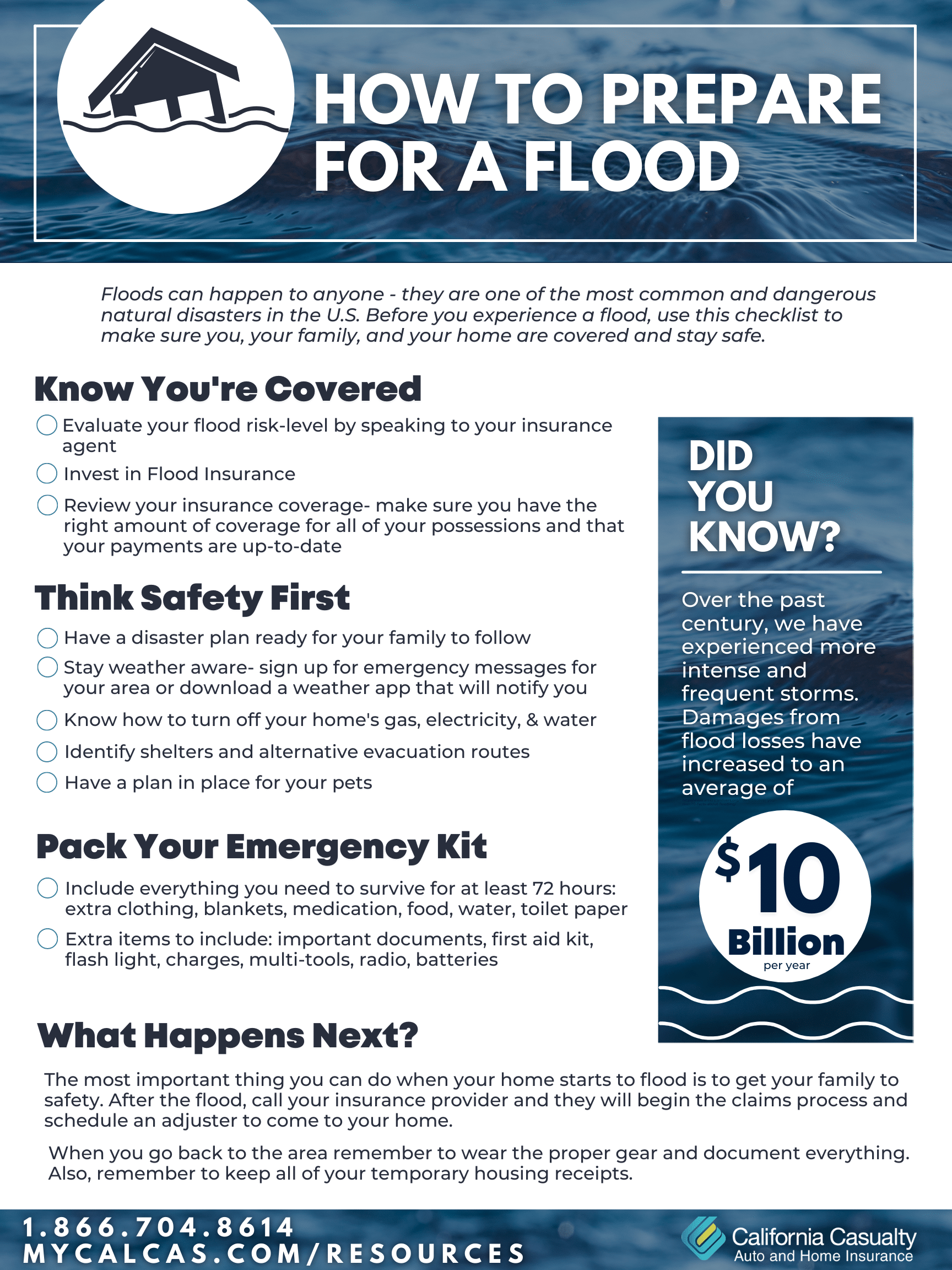
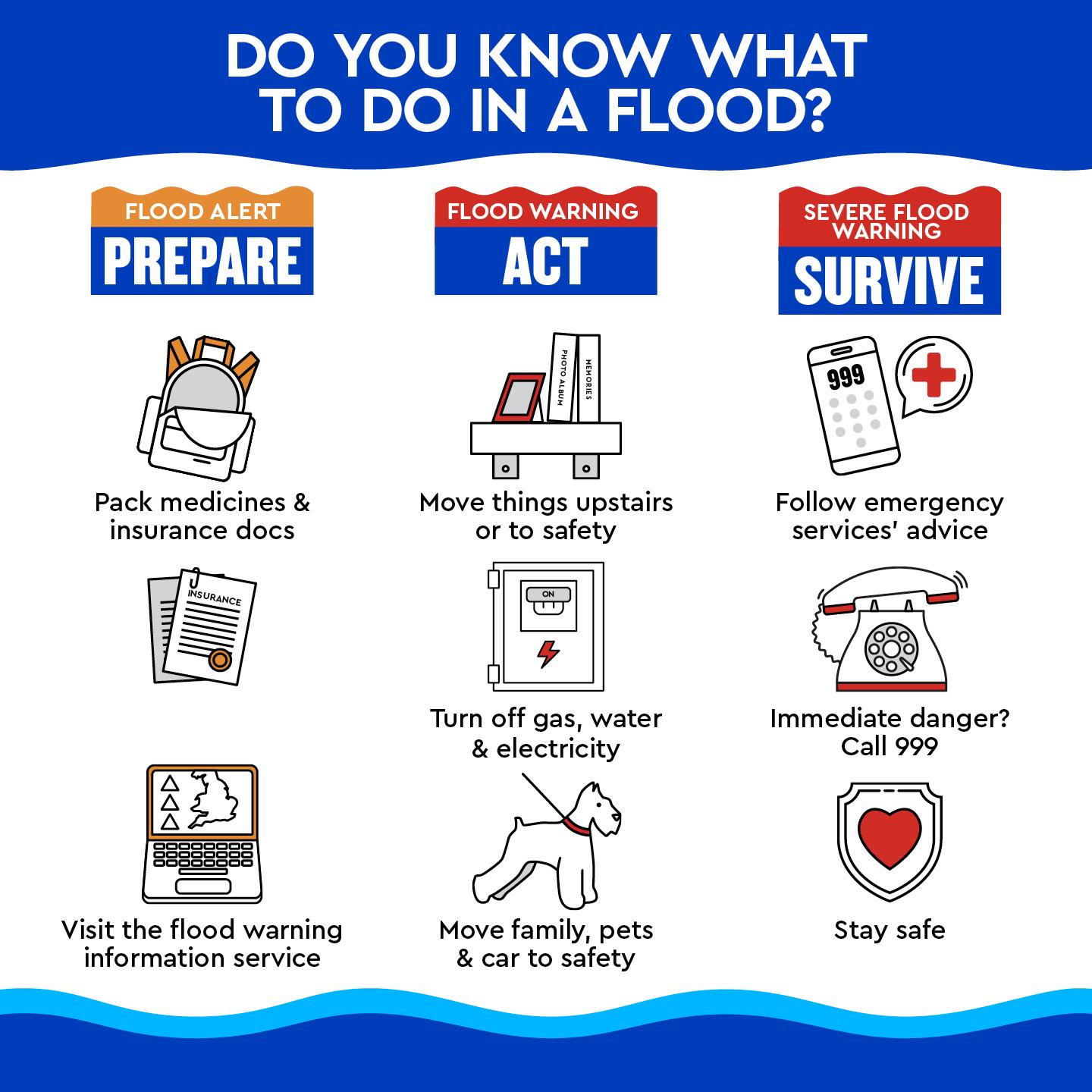
Ready to jump in? Here are some simple, practical tips to get you started: First, know your risk. Check your local flood maps online (often available through government sites like FEMA in the US) to understand if your area is prone to flooding. It’s a crucial first step! Second, sign up for local alerts. Many communities offer text or email notifications for severe weather and flood warnings. This early heads-up can be invaluable. Third, start building a basic emergency kit. Think essentials: bottled water (one gallon per person per day), non-perishable food, a battery-powered radio, a flashlight with extra batteries, a first-aid kit, and essential medications. Keep it in an easy-to-access location, ideally upstairs if you have multiple levels. Fourth, create a family communication plan. Discuss where you'll meet if you have to evacuate, and designate an out-of-state contact person everyone can check in with. Finally, make sure to protect your important documents. Keep copies of insurance policies, identification, and other vital papers in a waterproof, portable container, or store digital copies securely in the cloud.
Ultimately, preparing for floods isn’t about expecting the worst; it's about building resilience and finding peace of mind. It’s a tangible way to show your family you care, to safeguard your home, and to contribute to a stronger community. Plus, there's a quiet satisfaction in knowing you've thought ahead. So, start small, stay informed, and enjoy the confidence that comes with being prepared. It’s an investment in your safety and your future that truly pays dividends.